Finance
Brisbane Property: The Pandemic Boom and What Comes Next
The city that was once affordable has become one of Australia's most expensive housing markets.
Finance
The city that was once affordable has become one of Australia's most expensive housing markets.
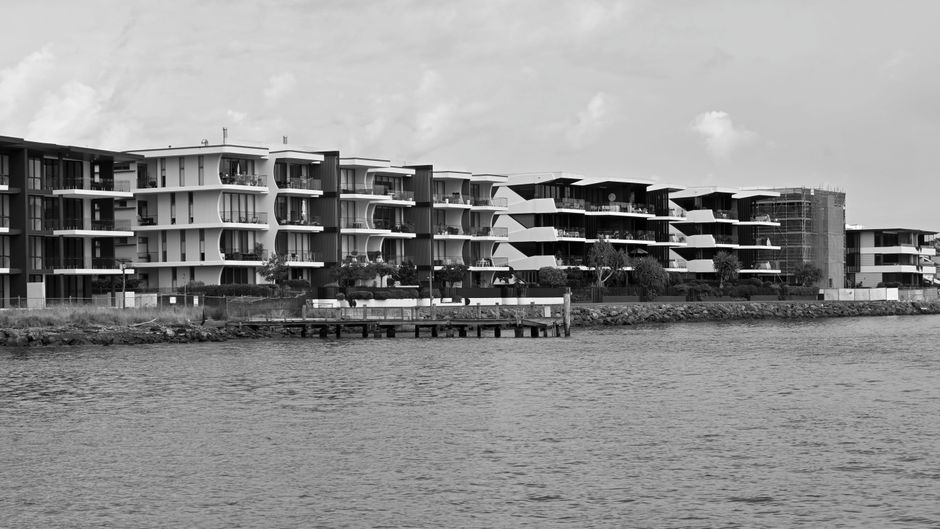
Brisbane's property market experienced one of the most dramatic transformations of any Australian capital during the 2020-2022 pandemic boom period, with the combination of internal migration from Sydney and Melbourne, the shift to remote work that freed buyers from proximity to their employers, and the historically low interest rates that preceded the 2022 rate rise cycle producing price growth that turned Brisbane from one of Australia's more affordable capitals to one of its most expensive within three years. Median house prices in the city's inner suburbs reached levels that would have been considered extraordinary only a few years before.
The internal migration to Brisbane from the southern capitals that drove the boom reflected genuine lifestyle preferences, with the combination of Queensland's climate, the lower price point relative to Sydney (even after the boom), and the improving amenity and employment options of the city attracting buyers who made the decision that Brisbane offered the quality of life they wanted at a price the Sydney and Melbourne markets would not allow. The migration has continued at significant levels even as the price gap has narrowed, suggesting that factors beyond price are sustaining the movement.
The 2032 Olympics infrastructure investment is expected to provide the medium-term demand support for Brisbane property that major infrastructure programs typically generate in the markets they serve. The transport connections, venue precincts, and urban renewal that the Games are driving will improve amenity and accessibility in specific corridors and precincts that are likely to outperform the broader market as the improvements are delivered and reflected in market values.
Housing supply in Brisbane has been constrained by the combination of the approval and construction bottlenecks that affect all Australian capital city markets and the specific character of Brisbane's built form, which has been dominated by the detached house on a block that makes the infill development and density increase that the planning framework now encourages a longer-term project than the demand growth that has driven the price increases.
This article was compiled by AI from the sources linked above and screened before publishing. See our editorial standards.
About this article
Published by The Daily Brisbane
More in Finance