finance
Retail Market Trends in Brisbane: What Businesses Need to Know Right Now
Amid evolving consumer habits and new openings, Brisbane retailers must adapt to stay competitive in 2026.
How we reported this
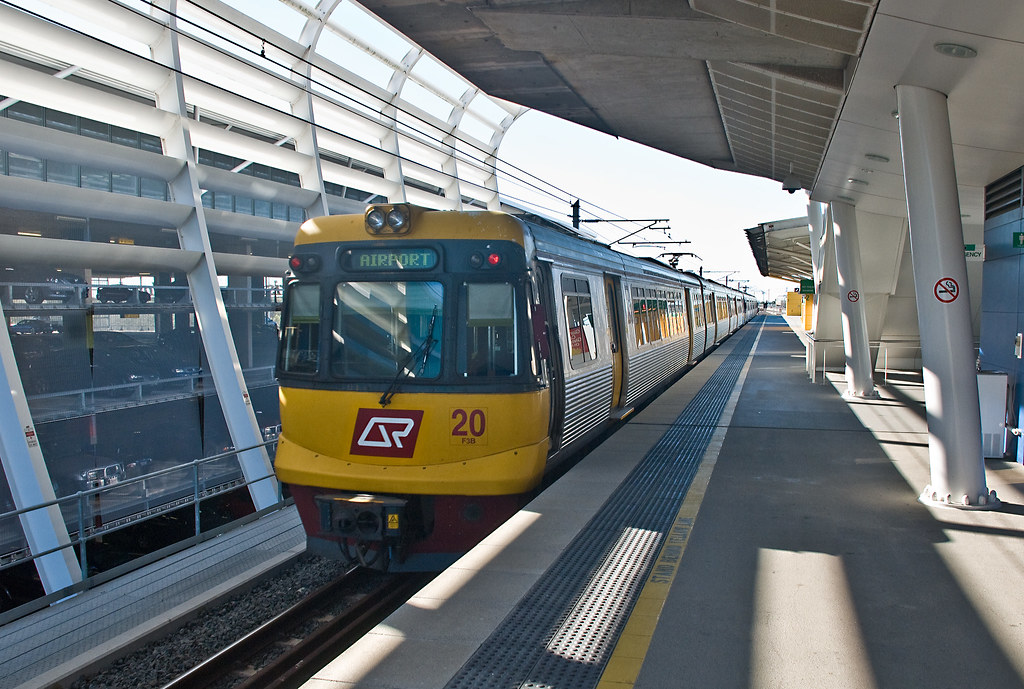
Brisbane’s retail sector is experiencing significant shifts this year, with changing consumer preferences driving new openings along Queen Street Mall and Fortitude Valley. Retailers and investors navigating these changes must focus on digital integration and sustainable practices to meet evolving market demands.
This momentum comes as Brisbane’s economy balances post-pandemic recovery with inflationary pressures and shifting spending patterns. The surge in experiential retail and demand for localised offerings is reshaping traditional shopping precincts. With rent prices on the rise and consumer expectations changing rapidly, businesses face a crucial juncture in adapting operations and marketing strategies.
Local hotspots reflect broader shifts
Queen Street Mall continues to be Brisbane’s retail nucleus, witnessing a recent influx of boutique stores emphasizing ethical fashion and artisan products. In June, the launch of The Green Lane Collective, a cooperative of local sustainable brands, signified a growing appetite for eco-conscious shopping. Meanwhile, Fortitude Valley’s Chinatown precinct has diversified beyond dining into lifestyle and wellness retail, with new shops like ZenWellness opening in June, appealing to health-conscious consumers.
The Brisbane City Council’s Retail Revitalisation Program, initiated in early 2026, supports small businesses by reducing commercial rents in designated areas and funding digital parking payments to improve customer convenience. With average daily foot traffic at Queen Street Mall climbing by 12% during the first half of the year compared to 2025, these initiatives aim to sustain momentum and promote economic vibrancy.
Data underscores changing retail dynamics
According to the Retail Council of Queensland’s mid-2026 report, e-commerce now accounts for 28% of total retail sales in Brisbane, up from 22% in 2024. This increase pressures brick-and-mortar stores to innovate their in-person experience or integrate strong online platforms. Rent prices also present a challenge, with average commercial rent on Queen Street Mall reaching $1,100 per square metre annually, a 7% rise from last year.
Consumer surveys indicate that 68% of Brisbane shoppers now prioritize convenience and sustainability in their purchasing decisions, pushing retailers to adjust stock and service models. Businesses failing to respond risk losing market share to more agile competitors or online-only players.
With mid-year trade reporting nearing, industry analysts recommend retailers evaluate early results from 2026 strategies and consider hybrid business models combining physical presence with optimized digital channels. The Brisbane Retailers Association is scheduled to hold a forum on July 22 focusing on emerging market trends and tech adoption, aimed at supporting businesses through transition.
Retail operators in Brisbane should prioritise flexible leasing options and invest in technology such as mobile payment systems and inventory automation. Engaging with local initiatives like the City Council’s Digital Retail Investment Scheme offers financial incentives and training. The coming months will be critical for businesses to align with consumer expectations and maintain resilience amid ongoing economic shifts.
This article is general information only and is not personal financial or investment advice. Consider your own circumstances and seek licensed professional advice before making financial decisions.