business
Retail sector confronts significant challenges amid evolving consumer landscape in 2026
Brisbane retailers face a tough year as shifting customer habits and operational hurdles reshape the local market.
How we reported this
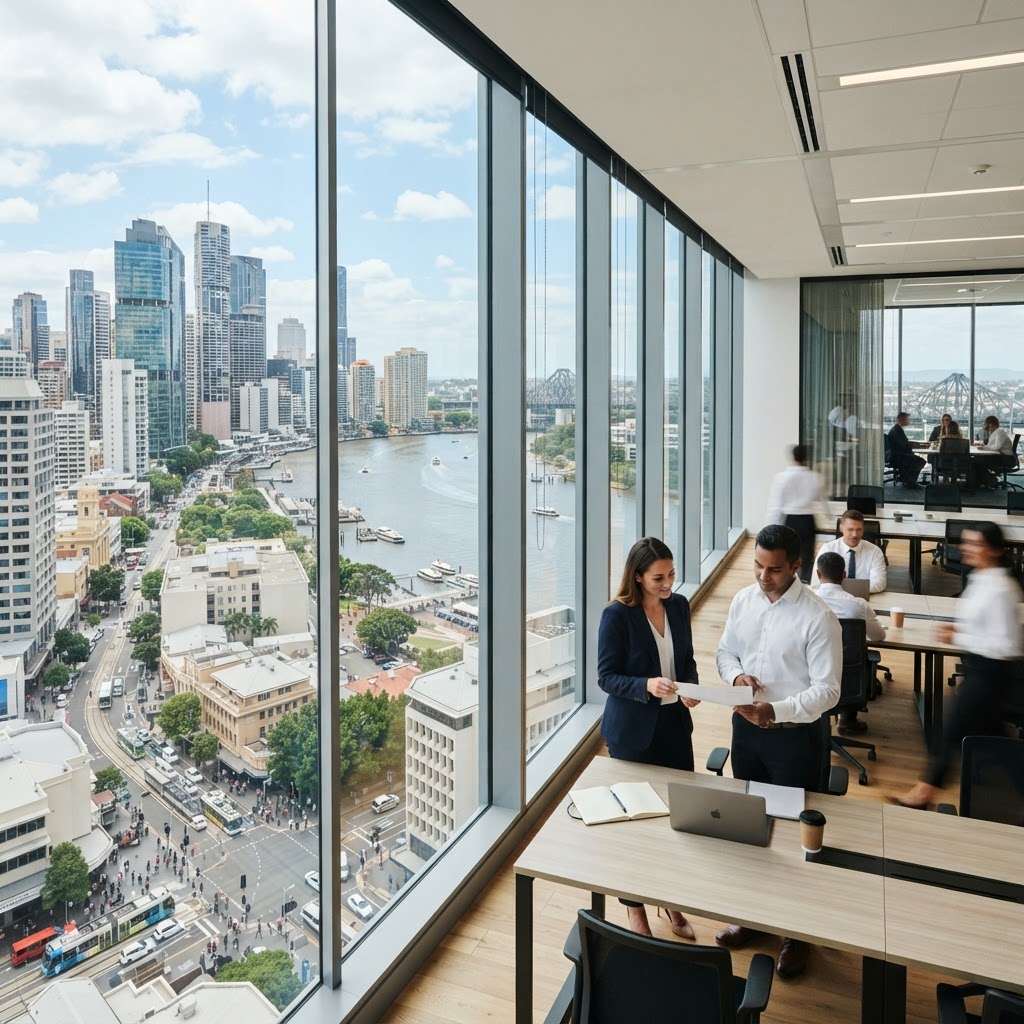
Retailers across Brisbane are encountering mounting headwinds in 2026, grappling with changing shopper behaviour and a challenging business environment. Despite some new store openings, industry players report pressure from factors such as fluctuating foot traffic and heightened customer expectations, shaping a complex outlook for the sector this year.
Why retailers are feeling the pinch in 2026
Understanding the retail sector’s current difficulties is critical as it remains a vital part of Brisbane’s economic fabric. The city’s reputation as a business hub depends on a vibrant retail landscape that supports jobs, attracts visitors, and encourages local spending. As consumer preferences evolve rapidly with digital alternatives and economic uncertainty, bricks-and-mortar outlets are forced to adapt or face decline.
Ongoing technological shifts have changed how Brisbane residents shop, with an increasing reliance on online platforms diminishing in-person purchases. This puts pressure on physical stores to offer compelling in-store experiences or exclusive products that justify the effort of visiting. Compounding this, operating costs like rent, wages, and supply chain disruptions contribute to tighter profit margins, squeezing smaller businesses particularly hard.
Local realities: from Queen Street Mall to emerging neighbourhood hubs
The Queen Street Mall, often seen as the heart of Brisbane’s retail scene, continues to draw visitors but faces challenges maintaining consistent shopper volumes amid competition from newer precincts. Suburban centres and neighbourhood shopping districts have emerged as important alternatives, offering convenience and personalised service, but they lack the scale to replace the city centre’s draw fully.
Despite the headwinds, some retailers have launched new outlets or renovated existing ones in key locations, signalling confidence in the city’s long-term potential. However, these moves often require reimagined business models focused on flexibility and engagement to stay competitive. For many, the day-to-day balancing act involves managing inventory in a volatile market and catering to customers expecting seamless omnichannel experiences.
Expert observers note, however, that no single factor dominates the sector’s difficulties but rather a confluence of external pressures and internal adjustments dictating operations this year. These include macroeconomic influences such as inflationary trends as well as evolving consumer expectations rooted in convenience and value perception.
Adapting strategies for a resilient retail future
Going forward, Brisbane retailers may find greater success by embracing technology for inventory management and customer engagement, while prioritising unique in-store offerings and community connection. Flexible lease arrangements and collaborative initiatives among local businesses might also provide much-needed relief against rising costs.
Ultimately, the sector’s path will depend on how quickly retailers can innovate and respond to the market’s ongoing transformations. While the challenges in 2026 are formidable, well-targeted strategies could enable recovery and sustained growth in the years ahead.