culture
Beyond the Frame: The story behind the scene and the people who created it
A look at the curators, collectors and visionaries shaping Brisbane’s cultural institutions.
How we reported this
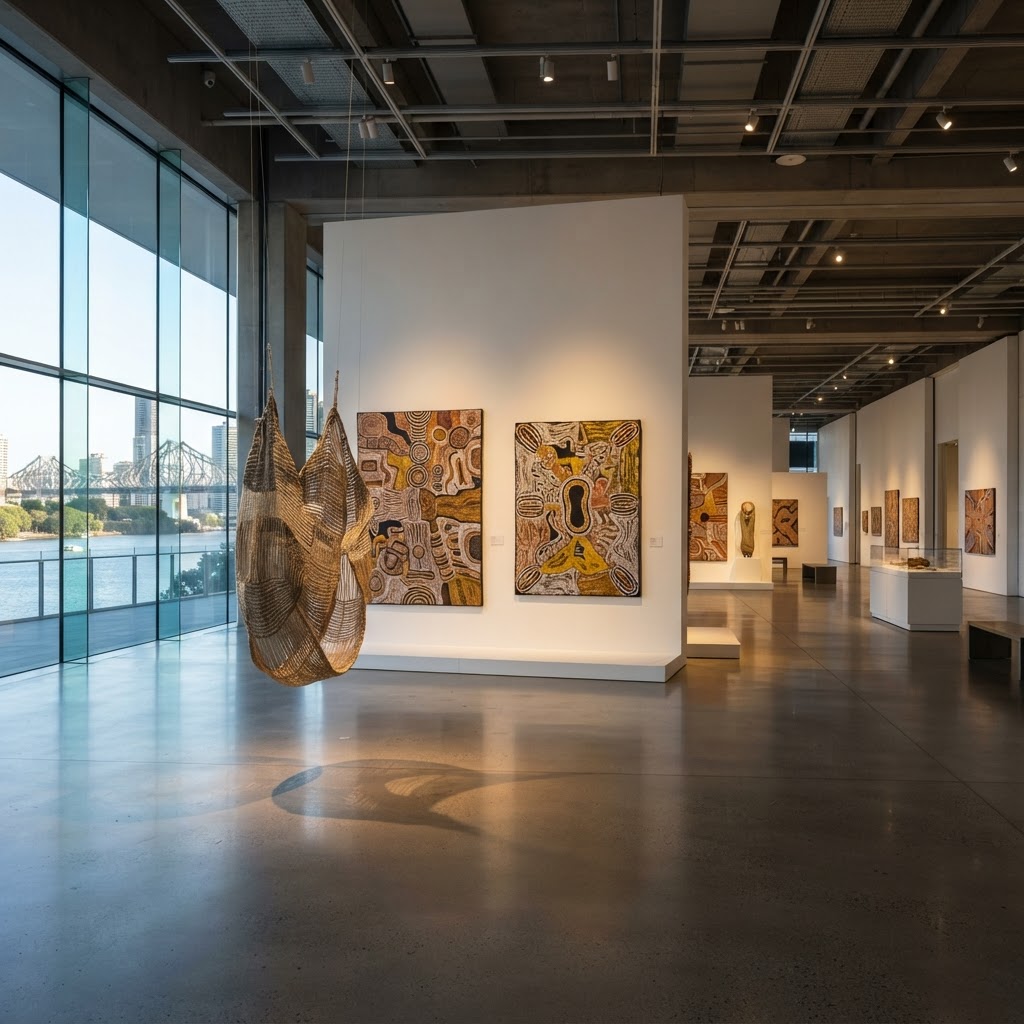
Brisbane’s cultural sector is currently undergoing a structural shift, moving away from static gallery displays toward high-engagement storytelling that reflects the city's growth. Behind the glass at our major institutions, a dedicated network of curators and historians is re-evaluating how local collections connect with a contemporary audience.
The Architects of Our Public Collections
The transformation is most visible at the Queensland Art Gallery and Gallery of Modern Art (QAGOMA) at South Bank. For years, the institution has focused on building an Asian-Pacific collection that rivals any in the southern hemisphere. This wasn't merely an administrative goal but a concerted effort by previous and current leadership to position Brisbane as a bridge between regional artistic movements and international prestige. Similarly, the Museum of Brisbane, nestled within the clock tower of the Brisbane City Hall, has pivoted toward documenting the city’s post-war evolution. The team there focuses on oral histories and urban planning archives to explain why the inner-city neighborhoods-from the colonial lanes of the CBD to the steep hills of Paddington-look the way they do today.
These institutions are not just repositories for objects; they function as active nodes in the city’s social fabric. The curators often work in tandem with independent arts organisations across the Fortitude Valley creative precinct to ensure that emerging voices find a pathway to institutional visibility. This collaborative model is a far cry from the closed-door acquisition processes of the mid-20th century, favoring instead a model of community consultation and rotating exhibitions that respond directly to current societal shifts.
Data and the Future of Access
Institutional funding remains a primary concern for the sector, particularly as major galleries adjust their programming in response to broader economic conditions. As noted in recent broader news reports regarding market trends, auction clearance rates have dipped below 50%, reflecting a tighter financial environment that often flows into philanthropy and private donations. Despite these pressures, QAGOMA reported significant attendance for major exhibitions during the 2025-2026 period, underscoring a consistent demand for high-quality, accessible public art. The state government’s ongoing support for these institutions continues to be a point of discussion in policy circles, with the most recent budget allocations reflecting a priority on maintaining public access to cultural assets.
For those looking to engage with these spaces, the best approach is to move beyond the permanent displays. Check the official exhibition calendars for QAGOMA and the Museum of Brisbane for upcoming curatorial talks. These sessions often feature the department heads and researchers responsible for the current shows, offering the only real insight into the years of archival work that precede the opening of a single exhibition. While general entry to most permanent collections remains free, advance booking for special late-night viewings is increasingly necessary as demand for these curated experiences climbs.