finance
ASX Edges Lower as Small Businesses Face Rising Financial Headwinds
ASX 200 slips amid cautious market sentiment, highlighting mounting pressures on Australian small enterprises navigating cost and credit challenges in 2026.
Listen in English · 5 min
How we reported this
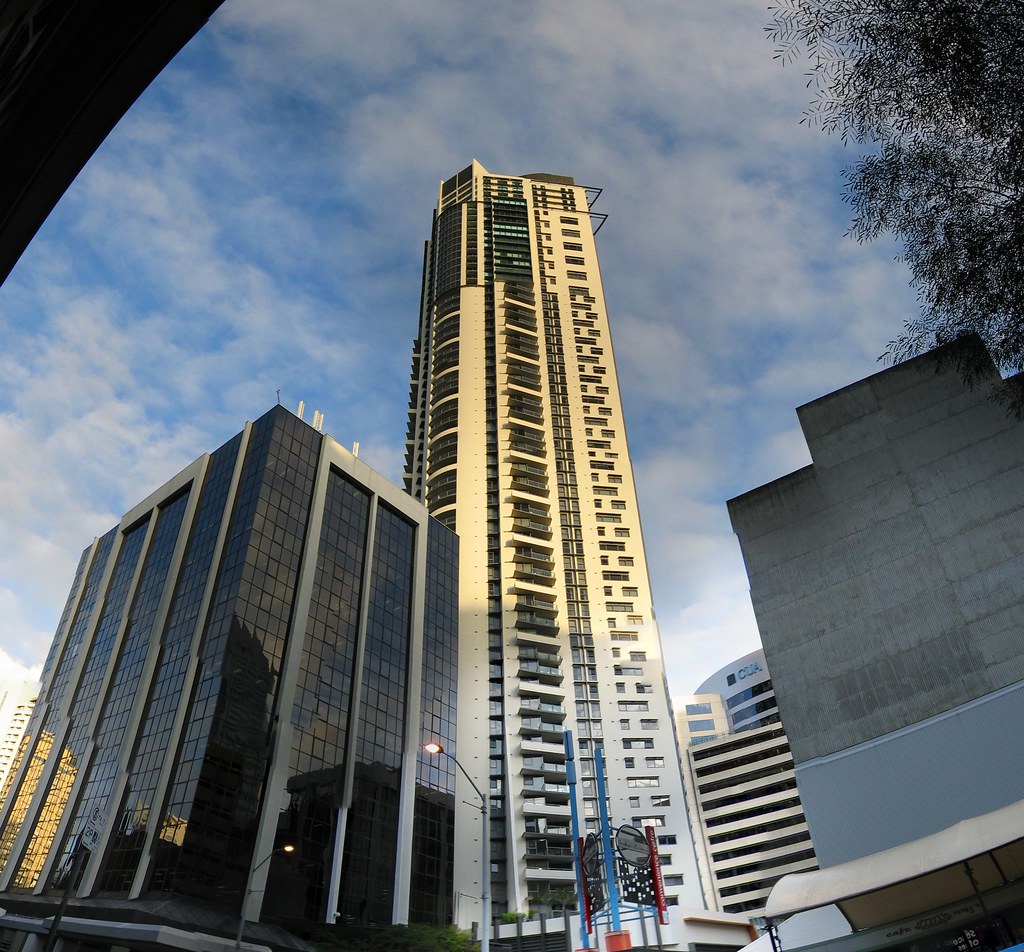
The ASX 200 closed at 8,806 today, down 0.43 per cent, reflecting a cautious market mood that underscores the difficult financial environment confronting Australian small businesses this year. Locally significant sectors including construction and tourism, pivotal to Brisbane’s economy with the 2032 Olympics infrastructure ramp-up, are grappling with tightening credit conditions and rising input costs.
While the broader US markets gained ground-S&P 500 rising 1.23 per cent and Nasdaq Composite up 1.74 per cent-Australian equities showed signs of strain. The All Ordinaries index fell 0.49 per cent to 9,004, pressured by sectors where small and medium businesses are heavily represented such as retail and services. The Australian dollar gained against the US dollar, reaching 0.6955, which marginally benefits exporters but can squeeze margins for businesses reliant on imported materials.
Small businesses in Brisbane are contending with increasing borrowing costs as lenders recalibrate risk amidst a backdrop of muted growth and inflationary pressures. Credit availability in the small business segment has tightened, with banks implementing higher interest rates and stricter lending criteria compared to early 2026. These developments complicate financing of working capital and expansion projects, especially in resource-linked industries and local construction firms involved in Olympic venue preparations.
Rising Costs and Credit Squeeze Dampen Growth Prospects
Input costs remain volatile, with energy prices notably impacting operational expenses. Brent and WTI crude prices rose today-WTI crude up 1.38 per cent to US$71.41 a barrel-translating into elevated transport and logistics costs for SMEs. Gold prices slipped 0.76 per cent to US$4,114 an ounce, indicating reduced safe-haven demand but minimal direct impact on small business operations.
Additionally, wage pressures are mounting as businesses compete for skilled labour amid ongoing demand spurred by the Olympic infrastructure build. Smaller companies without the financial buffers of large corporates find it harder to absorb these increased labour costs without passing them onto consumers in an already sensitive pricing environment.
Consumer spending patterns are also a factor. Despite a stable inflation outlook, discretionary spending softens in response to caution over rising mortgage rates and living costs. The home price correction noted nationally has improved affordability in some regions but has yet to translate into clear benefits for small businesses reliant on property-related demand.
Brisbane’s small businesses, many of which are part of the Australian Retirement Trust’s investment footprint through locally weighted shares, face a complex scenario. The ongoing appreciation of the Australian dollar against the US dollar could pressure exporters, while domestic demand struggles to gain momentum. The Australian economy’s resource sector, often a stabiliser for local markets, remains patchy given commodity price fluctuations and global demand uncertainties.
Investors monitoring this landscape are advised to weigh the ASX’s cautious performance alongside sector-specific nuances. The underlying strength of US equities, mirrored today by Bitcoin’s 2.65 per cent gain to US$63,910, contrasts with the Australian small business sector’s headwinds. Market participants should consider these dynamics when assessing exposure to sectors intertwined with the small business ecosystem, particularly those linked to Brisbane’s construction, tourism and consumer services leading into 2027.
This article is general information only and is not personal financial or investment advice. Consider your own circumstances and seek licensed professional advice before making financial decisions.