lifestyle
Getting around Brisbane: tips and honest recommendations from locals who live it daily
Navigating the river city requires more than just a Go Card-it demands local knowledge of the best routes, shortcuts, and timing.
How we reported this
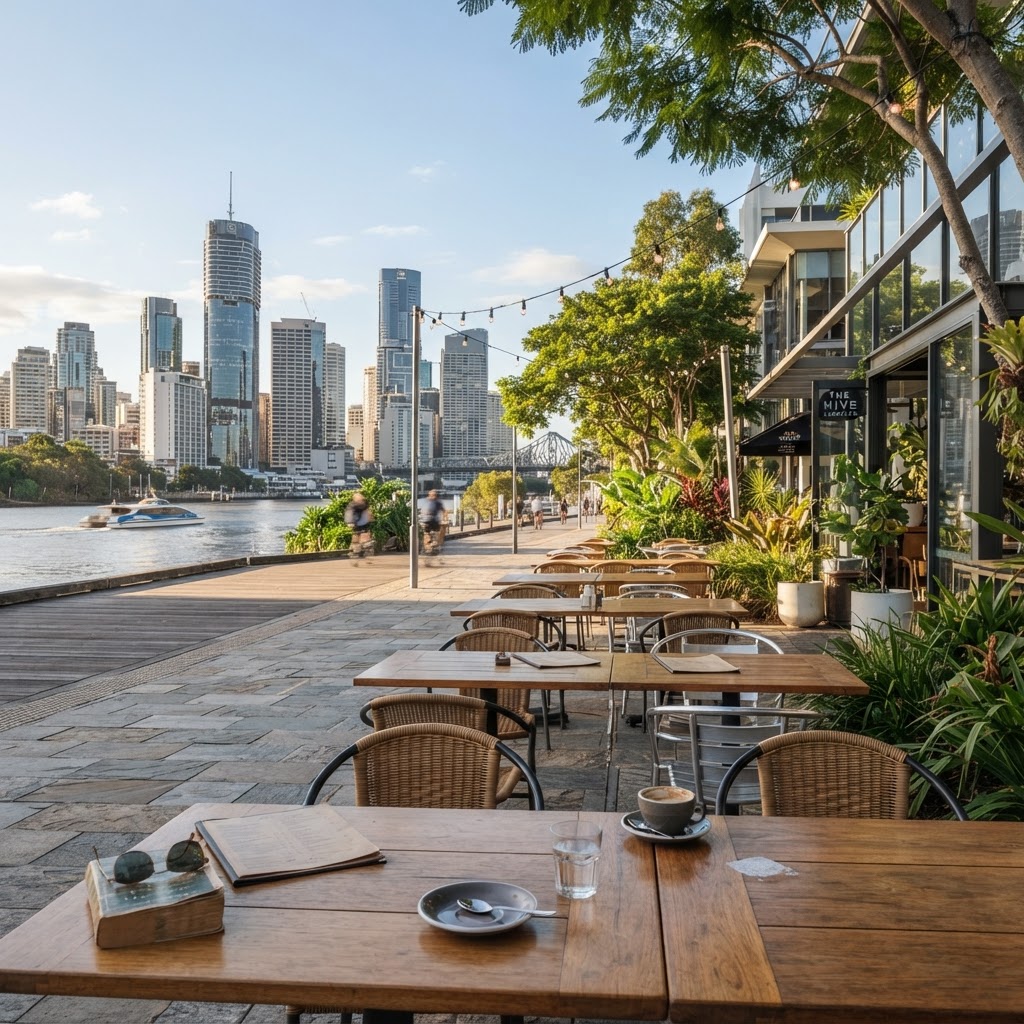
Brisbane residents are increasingly looking toward a mix of river transport and cross-city cycling as the primary way to bypass the morning grind along the Pacific Motorway. While the city continues to expand its infrastructure, the daily reality for commuters remains anchored in the efficiency of the Translink network and the geography of the Brisbane River.
Mastering the River and Rail
For those living in riverside suburbs like New Farm or West End, the CityCat network remains the gold standard for connectivity. Locals frequently point out that while the bus network provides broader coverage, the river provides a consistency that traffic-heavy arterial roads often lack. Accessing the inner-city hubs of Eagle Street or South Bank via the ferry terminals allows commuters to swap gridlock for the breeze coming off the water. If you are starting your journey from the outer suburbs, the Queensland Rail Citytrain network provides the backbone for north-to-south travel. Stations such as Roma Street and Central act as the primary conduits, though experienced commuters often highlight that timing your departure to avoid the absolute peak of the 8:00 AM rush can be the difference between a seat and a standing spot.
Cycling and Infrastructure Shifts
Cycling infrastructure has evolved significantly, with the Bicentennial Bikeway offering a high-quality route that connects the inner west to the CBD. For those commuting from suburbs like Toowong or Milton, this path remains the most reliable way to avoid the construction delays frequently seen around the city centre. When selecting a mode of transport, keep in mind that the Go Card remains the essential payment method for all Translink-managed services. According to the most recent fare adjustments published by the Department of Transport and Main Roads, passengers should verify current zone-based pricing before travelling, as costs vary depending on the distance between origin and destination stations. As the city prepares for future transport projects, staying updated with the MyTranslink app is the most effective way to monitor real-time service changes. For those new to the city, a practical tip is to always carry a spare physical Go Card, as relying solely on mobile payment methods at ticket gates can lead to delays when hardware is undergoing maintenance.