lifestyle
The People, Stories, and Faces Behind Brisbane’s Unique Fashion Scene
From West End to Fortitude Valley, Brisbane’s fashion identity thrives through its diverse community of creatives and entrepreneurs.
How we reported this
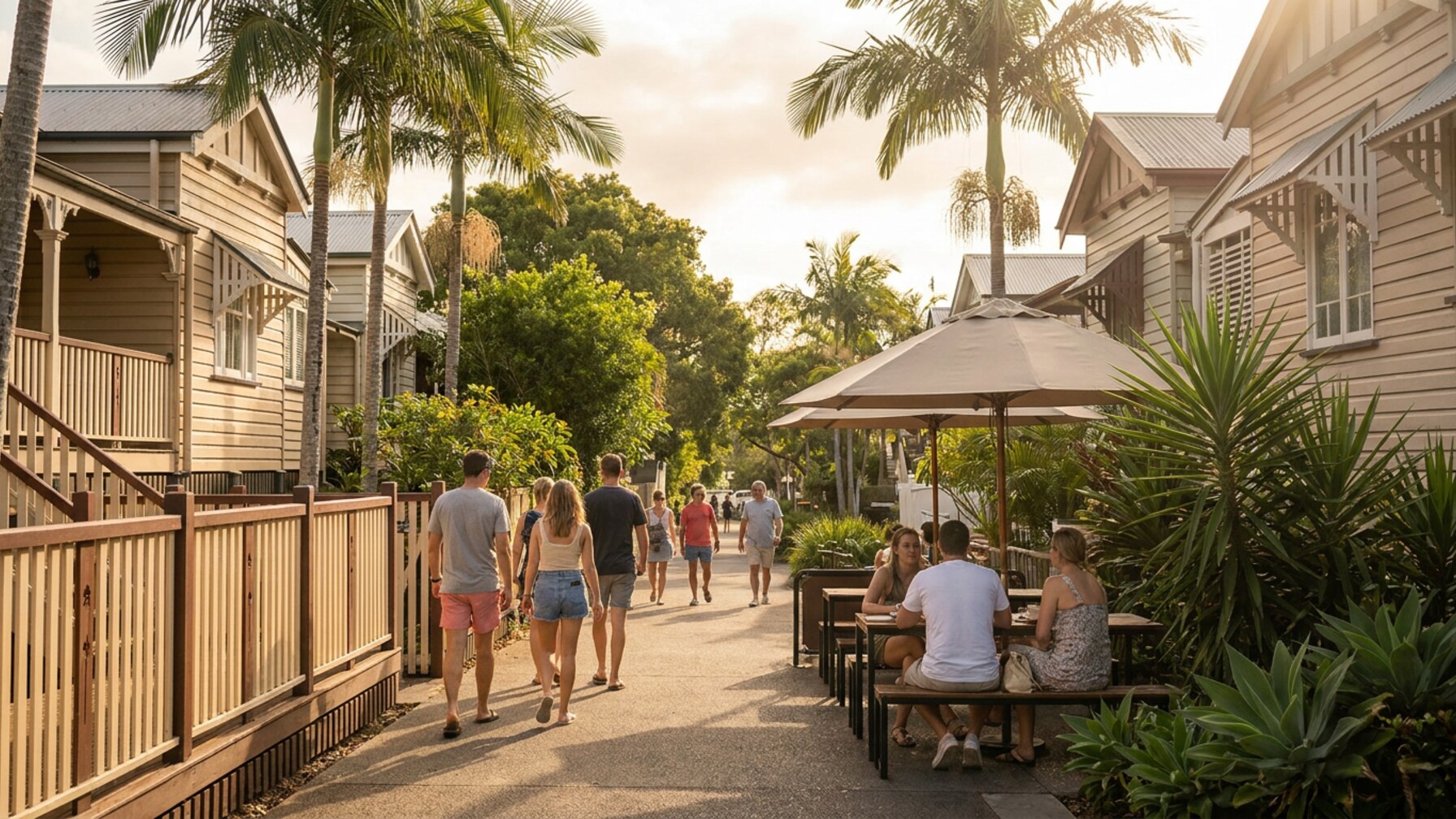
Brisbane’s fashion scene is defined not just by the clothes on the rack but by the local designers, stylists, and shop owners whose stories shape the city’s style identity. At the heart of this is the vibrant mix of people making bold, authentic statements from inner-city boutiques to pop-up markets.
As global fashion weeks unfold in Sydney and Melbourne, Brisbane’s own scene often flies under the radar. Yet it’s exactly this grounded, community-driven energy that makes the city’s style distinctive. In a time when sustainability and individuality dominate consumer values, it is Brisbane’s people who bring local fashion narratives to life that increasingly attract attention.
Local Hubs Where Stories Meet Style
West End’s Boundary Street is consistently bustling with independent stores like Lomax, a womenswear label run by Brisbane-based designer Maddy Lomax, known for its eco-conscious fabrics and inclusive sizing. Nearby, the Brisbane Design Market held monthly at Peter Webber Plaza offers a stage for emerging designers to share their work directly with the public, making storytelling a part of the shopping experience.
In Fortitude Valley, the bustling James Street precinct encourages a different vibe: high-end bespoke tailoring by brands like Sharp Symons sits alongside streetwear pioneers such as Token Apparel. These stores are more than retail outlets; they are spaces where customers connect with the personality behind each garment, often meeting the makers during in-store events or local fashion showcases.
Evidence of a Growing, Connected Community
Research by the Brisbane City Council indicates that the city’s fashion and textile industry employs roughly 5,300 people, contributing over $350 million annually to the local economy as of 2025. Retail rental prices on Boundary Street average about $600 per square metre annually, affordable enough to nurture small brands. Moreover, consumer surveys point to a 23% increase over the past two years in demand for ethically made, locally produced clothing among Brisbane shoppers.
Programs like Brisbane City Council’s Small Business Expo and the Queensland College of Art’s fashion incubator provide ongoing support and professional development. These initiatives encourage deep community ties and skill sharing, helping locals to sustain careers in a sometimes volatile industry.
Looking ahead, Brisbane’s fashion scene is expected to grow more interconnected. Upcoming events like the 2026 Brisbane Fashion Festival, scheduled for October, promise to spotlight local talent on larger stages, bridging community passion with national recognition. For shoppers and style enthusiasts, engaging with Brisbane’s fashion goes beyond acquiring clothing-it’s about actively supporting the stories and people that infuse this city with character and innovation.