lifestyle
How Brisbane’s Home and Garden Trends Have Shifted, and Why Locals Are Embracing Them
From sustainable landscaping to smart indoor gardening, Brisbane residents are transforming their living spaces with fresh ideas that suit the subtropical climate.
How we reported this
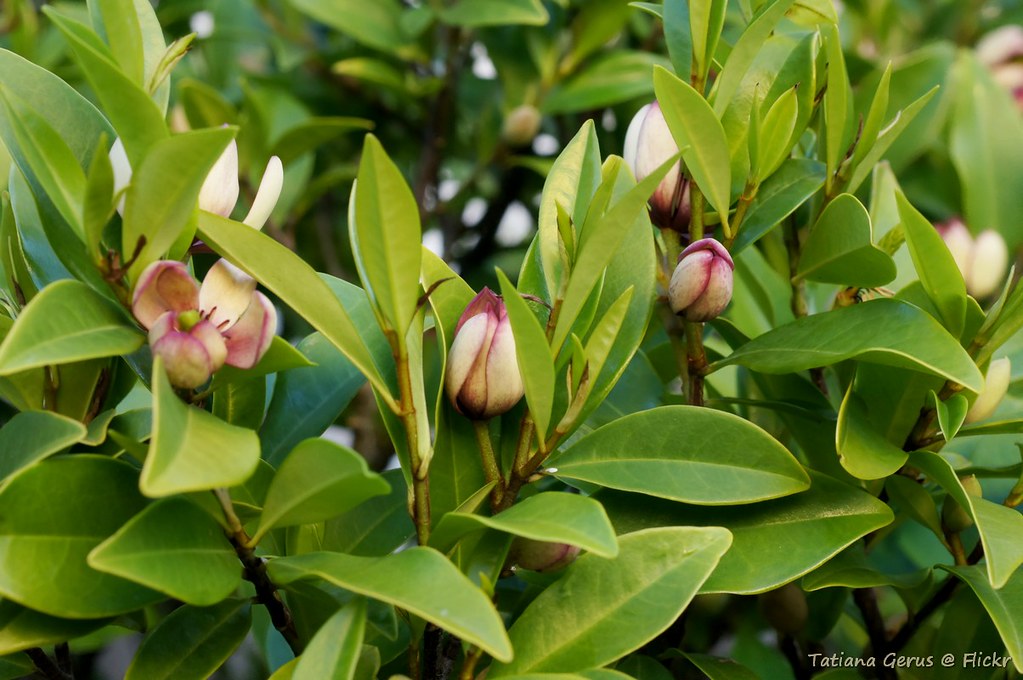
The way Brisbane homeowners approach home and garden design has seen notable changes in the past two years, with sustainable practices and technology integration rising to the forefront. More locals are adopting drought-resistant plants, smart irrigation systems, and eco-friendly materials to create functional and environmentally conscious outdoor spaces.
Why These Changes Matter Now
Brisbane’s increasing focus on sustainability coincides with the city’s recent climate stressors, including warmer average temperatures and fluctuating rainfall patterns. The Brisbane City Council’s recently launched Green Brisbane Strategy aims to make the city more liveable and environmentally resilient by 2035. This strategy encourages residents to adapt their gardens and homes to cope with these changes, emphasising native species planting, water conservation, and waste reduction.
Additionally, rising energy costs and growing consumer awareness about environmental impact are pushing homeowners to rethink their choices. The integration of smart home tech like automated irrigation controllers and solar-powered lighting reduces utility bills while supporting greener living.
Brisbane’s Local Spots Leading the Trend
Neighborhoods such as West End and Highgate Hill have seen a surge in community garden projects. The West End Community Garden on Vulture Street has expanded its educational workshops on sustainable gardening, attracting hundreds of locals keen to learn about native plant care and urban composting.
Meanwhile, retail outlets like The Plant Society in Newstead and Eco Home Solutions in Fortitude Valley have reported a 30% increase in sales of drought-tolerant plants and water-efficient garden systems since early 2025. These venues also offer workshops and DIY kits, making it easier for Brisbane homeowners to incorporate eco-friendly elements into their outdoor spaces.
Data, Costs, and Growing Popularity
According to a 2025 Brisbane City Council survey, 62% of households have introduced at least one water-saving garden solution in the last year, a 15% jump from 2023 figures. Demand for native plants like Lomandra and Kangaroo Paw has driven prices up slightly, with average pots now costing between $12 and $20 compared to $8 to $15 two years ago.
Installation of smart irrigation systems typically costs between $800 and $1,500 but can reduce water usage by up to 30%, according to recent data from Eco Home Solutions. These investments are proving popular among Brisbane residents keen to balance environmental benefits with practical savings.
Next Steps for Brisbane Homeowners
Locals interested in upgrading their gardens can attend upcoming events such as the sustainable landscaping expo at the Brisbane Showgrounds this September, where experts will offer tailored advice for subtropical environments. Council initiatives like subsidised native plant giveaways are planned for later this year, supporting residents wanting to make eco-conscious choices.
For those looking to start small, swapping traditional grass for native ground covers or installing rainwater tanks can be manageable first steps. Brisbane homeowners are encouraged to explore local resources-community gardens, workshops, and specialist retailers-to find inspiration and support as they adapt their homes for a greener future.