lifestyle
Everyday Sustainability: Tips and Honest Recommendations from Brisbane Locals
Brisbane residents share practical advice on eco-friendly living amid rising climate concerns.
How we reported this
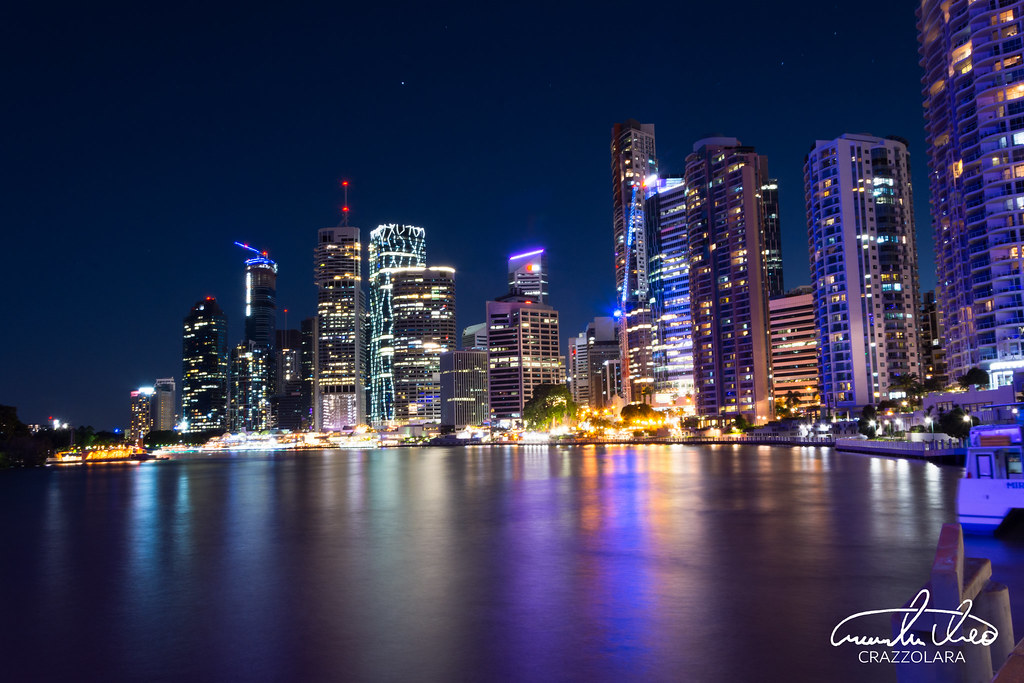
In Brisbane, a growing number of residents are adopting sustainable living habits, motivated by climate awareness and local initiatives. From managing waste effectively to embracing plant-based diets, locals are sharing what works-and what doesn’t-in their day-to-day efforts to reduce environmental impact.
Climate experts warn that the Brisbane region is already experiencing hotter summers and unpredictable weather patterns, underscoring the urgency for sustainable lifestyles. The Queensland government’s 2025 Climate Action Plan aims for a 50% reduction in emissions by 2030, a target that relies heavily on individual and community participation.
Local Initiatives Fuel Practical Change
At the West End Community Garden on Boundary Street, volunteers emphasize the importance of homegrown produce for sustainability. “Growing your own herbs and greens reduces grocery store packaging and food miles,” says a regular volunteer. This aligns with Brisbane City Council’s support for urban agriculture programs, which have expanded in the past two years to include composting workshops and rainwater harvesting demos at the Botanic Gardens in Mt Coot-tha.
Another hub of sustainable action is the South Brisbane Repair Café, held monthly at the South Brisbane Community Centre on Cordelia Street. Here, locals bring electronics, clothing, and household items to be mended, counteracting the throwaway culture prevalent in retail. The café’s founder notes that many residents underestimate how easily everyday goods can be fixed instead of replaced, saving both money and landfill space.
Data Shows Growing Commitment and Challenges
A 2026 survey by the Brisbane Sustainability Network revealed that 68% of respondents regularly use reusable shopping bags, while 42% have switched to renewable energy providers such as Powershop or ERM Power for their homes. However, only 25% reported participation in local composting programs, citing a lack of convenient access as a barrier.
Cost remains a significant factor. Solar panel installations, for example, have become more affordable, averaging around $4,500 for a standard 5kW system after government rebates, but initial investment still deters some households. Waterwise Gardening, a program run by Healthy Waterways, is actively promoting drought-resistant plants to reduce Brisbane’s domestic water usage, which stands at approximately 150 liters per person per day-above the national average.
“There’s definitely enthusiasm here, but sometimes the options feel costly or complicated,” said a West End resident at a recent council sustainability forum. This sentiment highlights the need for clear, locally tailored support.
Brisbane’s rising environmental challenges and community efforts reveal a city striving to shift from intention to action, one small change at a time. Whether it’s joining a local repair café, starting a balcony vegetable patch, or choosing a green energy plan, Brisbane locals recommend starting with manageable steps and connecting with existing community groups to build momentum.