lifestyle
Fitness and Wellbeing Trends in Brisbane: The Cost, Access and Everything You Need to Know Before Going
From boutique studios to outdoor workouts, Brisbane’s booming fitness scene offers options, but how much do they really cost, and how accessible are they?
How we reported this
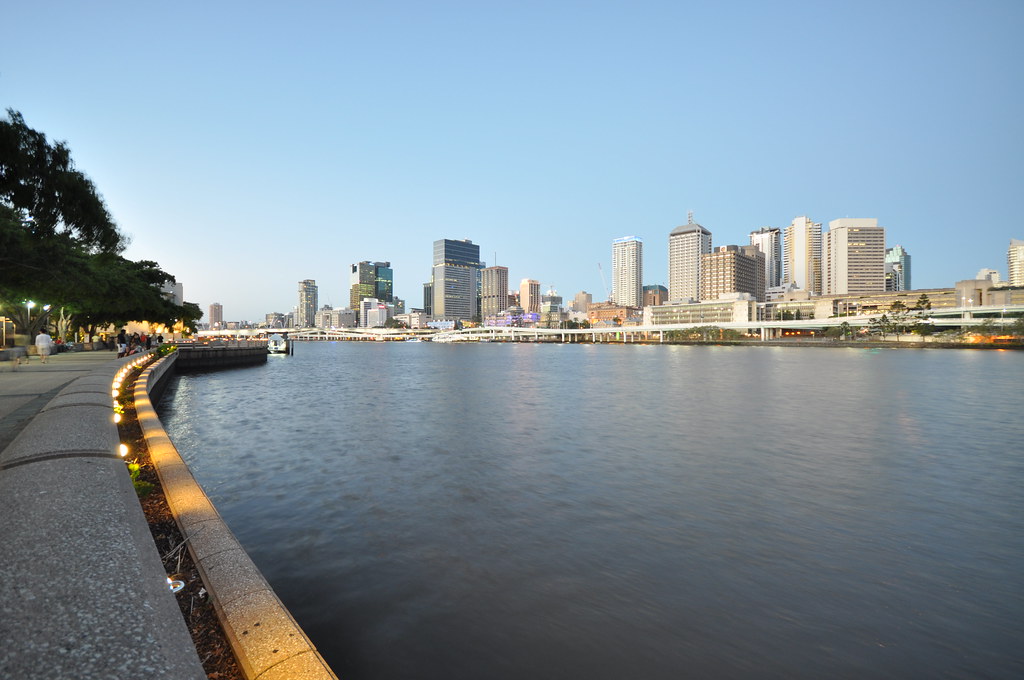
Brisbane’s fitness and wellbeing trends are booming, but the cost and accessibility of popular options vary widely. From high-end boutique gyms in Fortitude Valley to community-run classes in West End, understanding what’s on offer and at what price is key for locals eager to join the movement.
The rise in health consciousness and post-pandemic lifestyle shifts have pushed more Brisbane residents towards fitness options beyond traditional gyms. The city’s subtropical climate encourages outdoor activities year-round, fueling demand for wellness experiences that combine exercise with social and mental health benefits. Yet, with a plethora of choices, financial and logistical barriers can leave some potential participants sidelined.
Local Fitness Scene: From Fortitude Valley to West End
On James Street in Fortitude Valley, boutique fitness studios like Recess Pilates offer personalised classes starting at $40 per session, appealing to those willing to pay a premium for small-group or private training environments. Meanwhile, in West End, the Brisbane City Council-backed "Move More West End" program runs free weekly community yoga and Tai Chi classes in Davies Park, aiming to remove cost barriers and promote inclusive access.
Another highlight is the Brisbane River Running Festival held annually in July, encouraging participants of all levels to join in 5km and 10km events along the riverfront paths. Entry fees range from $20 to $50, depending on race length and registration date, making it a relatively affordable option for those motivated by community spirit and outdoor fitness.
Pricing and Participation Trends
A recent report from the Queensland Fitness Association revealed that average monthly memberships for Brisbane gyms and studios hover around $80, with boutique studios charging notably higher fees, some upwards of $100 per week for specialised programs. The disparity reflects broader trends towards personalised fitness but raises questions about inclusivity as income remains a key determinant of participation according to the report.
The same study found that in 2025, approximately 65 percent of Brisbane residents engaged in some form of physical activity weekly, up from 58 percent in 2023. Notably, free or low-cost community initiatives contributed significantly to this increase, highlighting their role in fostering equitable access.
However, transportation remains a concern for some, especially those living in outer suburbs with less direct access to popular fitness hubs, underscoring the importance of localised options and city infrastructure improvements.
Before signing up for any fitness program, locals should consider several factors: the total cost including upfront fees and ongoing charges, class size and atmosphere, location convenience, and the type of exercise that fits their personal health needs. Trial sessions, many offered for free or at a reduced rate, remain the best way to gauge suitability without financial commitment.
For Brisbane residents keen to join the fitness wave, exploring council-supported activities like those found in West End or participating in seasonal events like the Brisbane River Running Festival can offer accessible stepping stones. Meanwhile, budget-conscious individuals might find value in larger gyms offering multi-class discounts or off-peak memberships.
As Brisbane’s fitness culture continues to evolve, keeping informed about cost structures and access points can help ensure that all residents find their best fit, combining health benefits with economic and practical sense.