news
Six decades of waiting, then closure: How Brisbane's abuse justice system compares to the world's response
A Brisbane man's abandoned trial against the Christian Brothers highlights Queensland's struggle with institutional accountability-and how other cities have fared better.
How we reported this
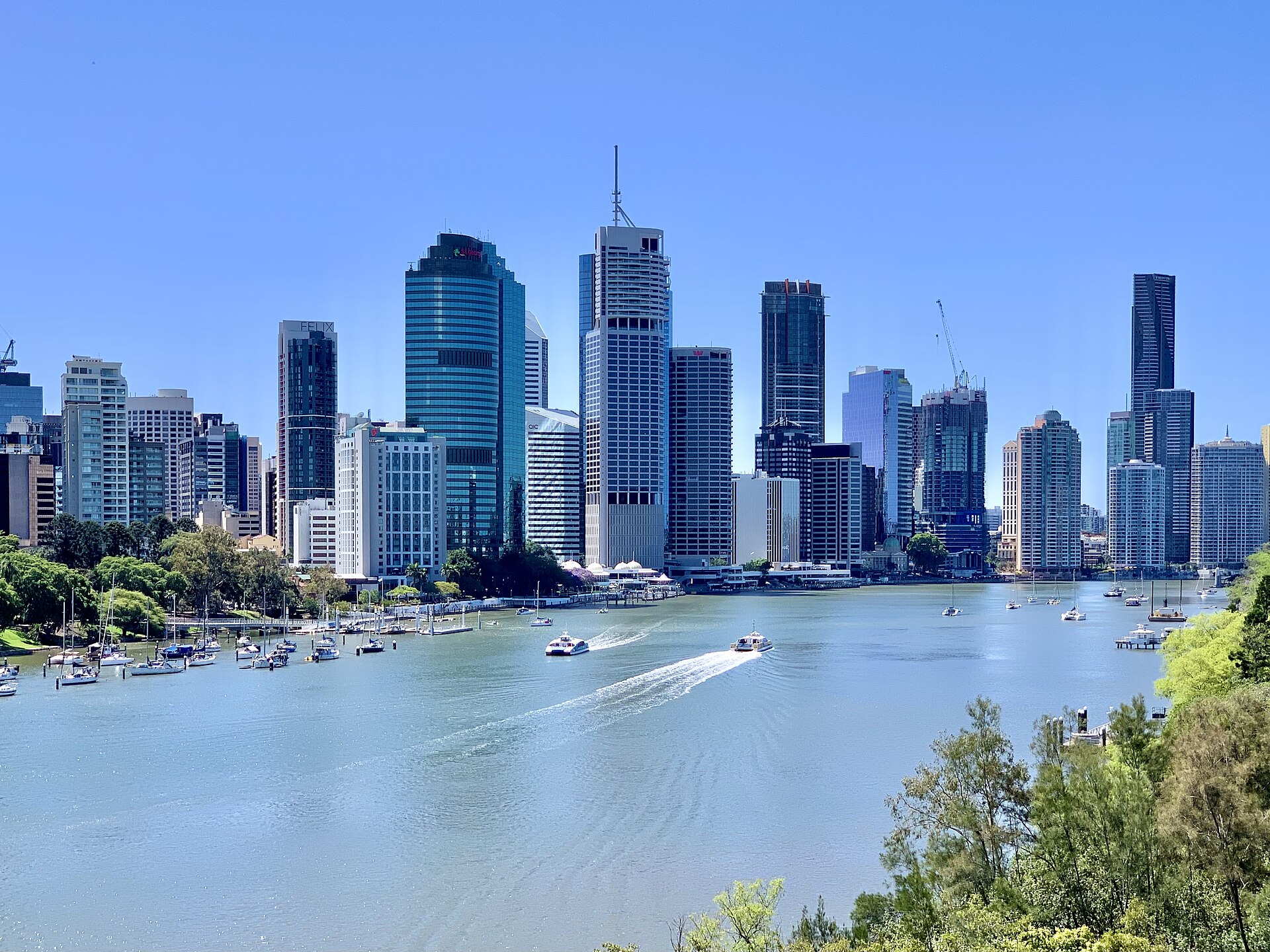
Curtis's 60-year wait for justice may soon end not in a courtroom, but in legal limbo. The Christian Brothers' decision to impose a legal moratorium on abuse claims has effectively shelved his case before trial, raising uncomfortable questions about how Brisbane and Queensland handle institutional abuse accountability compared to cities that have pursued more aggressive prosecutorial paths.
The Brisbane man's experience-seeking redress through South Brisbane courts for alleged abuse dating back to the 1960s-reflects a broader pattern in Queensland's institutional accountability record. Unlike Victoria, where the state government established the Royal Commission into Institutional Responses to Child Sexual Abuse and subsequently created dedicated compensation schemes with enforceable timelines, Queensland has relied heavily on civil litigation and voluntary institutional settlements.
Melbourne's approach has proven significantly more effective. Since 2013, Victoria's compensation framework has delivered payouts to over 2,000 survivors, with the state's commitment to no statute-of-limitations restrictions creating pathway for cases like Curtis's. By contrast, Brisbane survivors navigating Queensland's system face a patchwork of common law claims, institutional resistance, and legal strategies-like the Christian Brothers' moratorium-that can stall cases indefinitely.
In the United States, cities like Boston and Philadelphia witnessed transformative accountability following the Boston Globe's 2002 investigation and subsequent litigation against the Catholic Church. Those cities saw institutional leaders held personally accountable and transparent compensation mechanisms established within years, not decades. Germany and Ireland have similarly established state-backed redress boards specifically designed to prevent the extended suffering Curtis has endured.
Brisbane's logistics and port corridors have attracted significant population growth from New South Wales and Victoria in recent years, bringing families to suburbs like Sunnybank, Carindale, and the Springfield Lakes development corridor. Yet the city's institutional accountability infrastructure hasn't scaled with that migration. The Gabba rebuild controversy has consumed political oxygen, while questions about protecting vulnerable populations in institutional settings remain underfunded and under-resourced.
The Queensland government's approach has historically emphasised negotiated settlements over systemic reform. The Christian Brothers' legal moratorium-effectively a pause on engagement with survivors' claims-exploits gaps in Queensland's legislative framework that other states have closed. Without a dedicated institutional abuse compensation authority similar to Victoria's scheme, or federal legislation with binding timeframes, cases like Curtis's remain vulnerable to institutional delay tactics.
For a city positioning itself as Australia's fastest-growing metropolis ahead of the 2032 Olympics, Brisbane's inability to deliver justice for elderly survivors of historical institutional abuse represents a significant governance failure. Other comparable cities have demonstrated that meaningful accountability doesn't require decades of litigation-it requires political will and legislative clarity.
Curtis's case isn't unique in Brisbane. It's symptomatic of a system that has allowed institutions to outlast their accusers through exhaustion and legal procedural advantage.
This article was compiled by AI and screened before publishing. See our editorial standards.