news
How Brisbane's Building Boom Created a Crisis in Property Photography, and What's Being Done About It
A surge in duplicate and recycled listing images across Southeast Queensland's property market has exposed gaps in how real estate records are managed as the region prepares for its biggest decade of development since the 1988 World Expo.
How we reported this
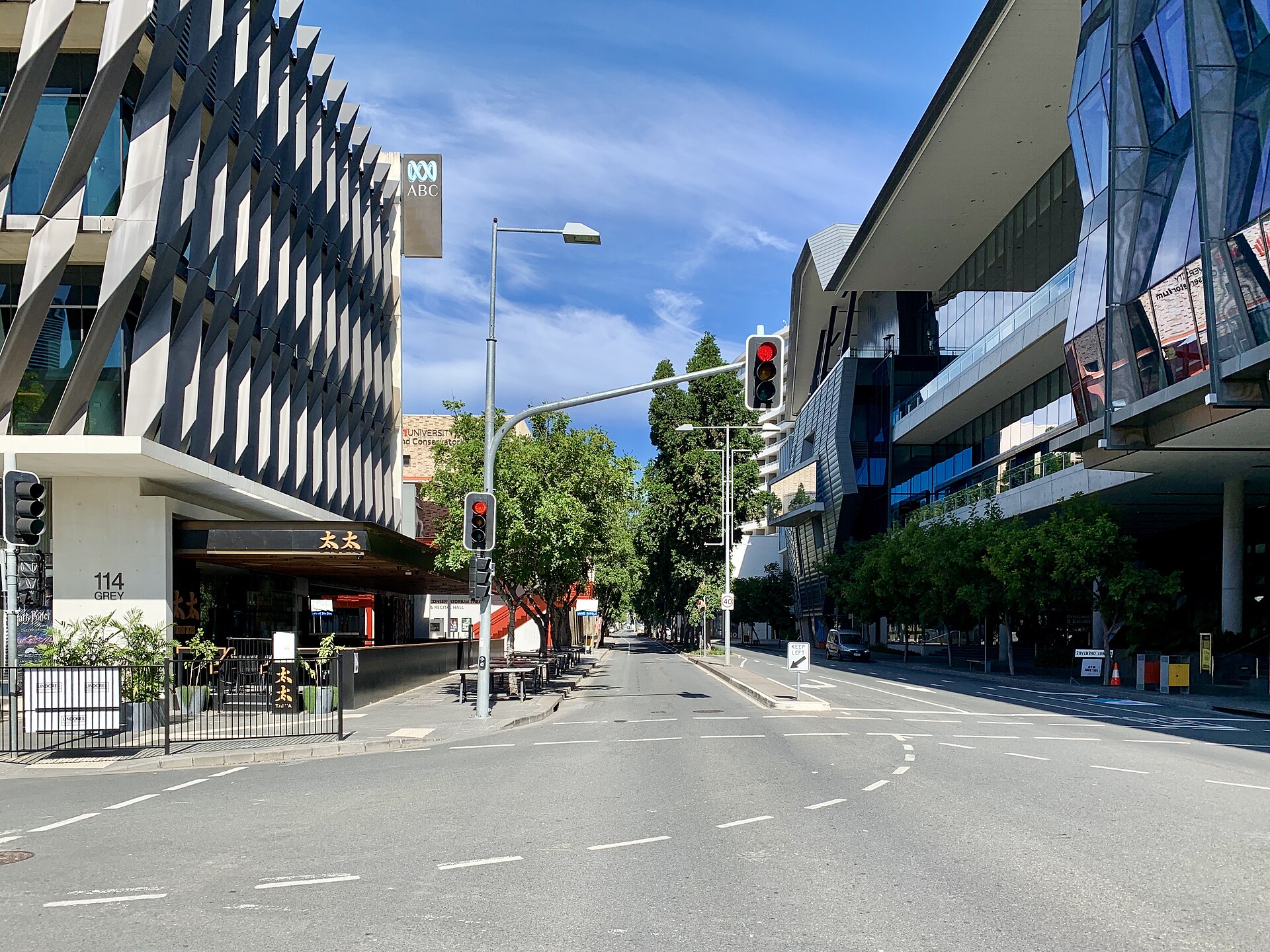
Property listings across Brisbane's inner suburbs and outer growth corridors are increasingly showing the wrong photographs, images recycled from previous sales, copied from neighbouring properties, or pulled from demolished buildings that no longer exist. The problem has become pronounced enough that industry groups and listing platforms are now moving to formalise image-replacement protocols that, until recently, were handled on a case-by-case basis by individual agencies.
The timing matters. Southeast Queensland is in the middle of a population surge driven by migration from New South Wales and Victoria, with the state government's own planning documents projecting the region will need hundreds of thousands of new dwellings before the 2032 Brisbane Olympics. That volume of transactions, combined with the sheer pace at which new townhouse complexes and subdivisions are being listed in corridors like Ripley Valley near Ipswich and Yarrabilba south of Logan, has overwhelmed the informal image-management practices that worked fine when the market was slower.
How the Problem Compounded Over Years
The roots go back further than the current boom. When realestate.com.au and Domain digitised their listing archives in the early 2010s, image sets from expired listings were retained in databases but not always scrubbed when a property returned to market under a different agent. A two-bedroom unit in Fortitude Valley could carry photographs from a 2014 renovation that a subsequent owner had since gutted. A house in Sunnybank Hills might display images from an adjoining lot, uploaded in error during a bulk photography session where a contractor photographed six properties on the same street in a single afternoon and mislabelled the files.
The Real Estate Institute of Queensland has acknowledged the issue in its agency training materials, noting that mismatched images constitute a disclosure problem under Queensland's Property Occupations Act 2014. The Act obliges agents to ensure marketing material is not misleading, which means a duplicate image is not merely an aesthetic inconvenience, it carries regulatory exposure. Complaints to the Office of Fair Trading Queensland have risen alongside transaction volumes, though the office does not publish a granular breakdown by complaint category.
Several large franchise groups operating out of the Newstead and South Brisbane office precincts began auditing their listing image inventories in late 2025 after a string of buyer complaints surfaced during settlements in the Moreton Bay region. One widely discussed case involved a newly built townhouse at Griffin, north of Petrie, that went to contract with exterior images belonging to a display home in a different estate entirely. The discrepancy was only caught by the buyer's conveyancer during the pre-settlement inspection process.
What a Fix Actually Looks Like
The practical remedy being adopted involves three layers. First, listing platforms are implementing image-hash technology that flags when an identical photograph appears on more than one active listing, a technique borrowed from fraud detection in the short-term rental sector. Second, agencies are being pushed toward geolocation-tagged photography, where the camera's metadata is verified against the listed address before upload. Third, there is a manual audit requirement being trialled by at least one major franchise network for any listing that has been inactive for more than 24 months before being relisted.
None of this is cheap or instant. A full photographic reshoot for a standard three-bedroom house in a suburb like Wynnum or Stafford typically runs between $250 and $450 through a professional real estate photographer, based on standard rates quoted on provider websites in mid-2026. For an agency carrying dozens of stale listings, the cumulative cost of remediation is a genuine line item. Some smaller independent agencies in suburbs like Inala and Zillmere have reportedly been slow to act for precisely that reason.
Buyers and tenants can protect themselves now by requesting that agents confirm the listing photographs were taken after the most recent change of occupancy, and by cross-referencing images against Google Street View to catch obvious mismatches. Conveyancers in Queensland are increasingly including image-accuracy confirmation as a standard item in their pre-contract checklists. The broader system fix, however, depends on the platforms and the industry body maintaining the pressure that the current boom has, somewhat ironically, finally generated.