news
Five teenagers ran toward a stranger's crisis, and Brisbane's youth advocates say it's no accident
A mother's desperate call for help near South Bank was answered by five young people who knew exactly what to do, prompting officials and community experts to credit a quiet but serious shift in youth first-aid culture.
How we reported this
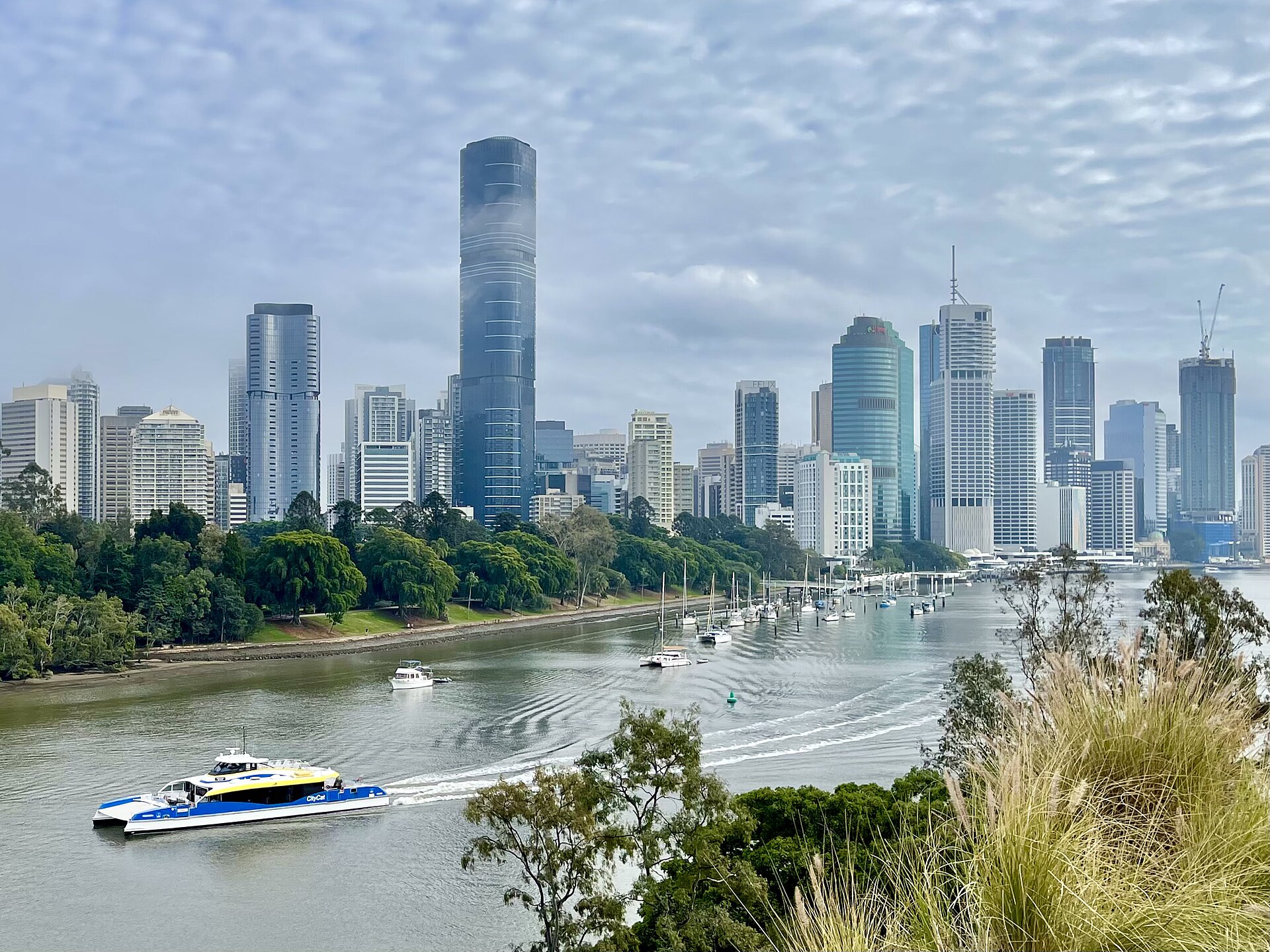
A Brisbane mother flagged down five teenagers on Grey Street last Saturday afternoon after her nine-year-old son collapsed unconscious on the footpath near the Queensland Museum. Within minutes, one of the group had called triple-zero, another had placed the boy in a recovery position, and a third was directing foot traffic away from the scene. Paramedics arrived from the Queensland Ambulance Service's South Brisbane station within eight minutes. The boy recovered.
The incident, which spread rapidly across Brisbane community Facebook groups and local neighbourhood apps through the week, has drawn responses from youth welfare organisations, schools and St John Ambulance Queensland, all of whom say the episode reflects something measurable, not random. First-aid training uptake among Queensland secondary students has risen steadily since 2022, when the state government expanded its commitment to programs linking schools with emergency services providers.
What the people who run these programs are actually saying
St John Ambulance Queensland runs the Cpr Kids and Restart a Heart programs across more than 200 Queensland schools. The organisation has described demand for school-based training as consistently outpacing available instructor capacity, particularly across inner-Brisbane campuses and the growth corridors around Logan and Ipswich. The group's publicly available program data shows it trained more than 40,000 Queensland students in emergency response basics during the 2024-25 financial year.
Brisbane Youth Service, which operates from its Ann Street centre in the CBD and runs outreach through West End and Fortitude Valley, works with young people aged 12 to 25. The organisation has long argued that teenagers are systematically underestimated in community crisis situations. Its most recent annual report, published in late 2025, described a pattern of young clients demonstrating high levels of situational awareness and mutual aid behaviour, qualities the report linked partly to peer-based education rather than formal classroom instruction alone.
Brisbane City Council's Community Safety team, which administers the Safe City program across inner-city precincts including South Bank and the Cultural Precinct, has previously cited South Bank Parklands as among the highest-traffic areas for volunteer and bystander interventions recorded in its incident logs. The precinct draws more than 10 million visitors annually, according to South Bank Corporation's published figures.
Why youth advocates say the timing matters
The broader national conversation about public trust, civic behaviour and political leadership has been notably strained in recent months. Against that backdrop, youth advocates in Brisbane are deliberately pointing to street-level acts of civic decency as evidence that social cohesion does not travel top-down.
The Queensland Curriculum and Assessment Authority introduced updated health and physical education guidelines in 2023 that include emergency response competencies as a recommended, though not yet mandated, component of the senior schooling framework. Advocates have argued for two years that mandating basic first-aid training in Years 9 and 10 would formalise what is already happening informally in many schools.
A petition filed with the Queensland Legislative Assembly in May 2026 by a coalition of school principals and parent bodies called on the LNP state government to fund universal first-aid certification for all Year 10 students, estimated to cost approximately $4.2 million annually based on current per-student St John Ambulance training costs. The petition remained before the Education Committee as of this week.
For the mother on Grey Street, the policy debate is secondary. Her son was kept safe by five young people whose names she does not know. She has since contacted Brisbane Youth Service asking whether there is a formal way to recognise bystanders who intervene in medical emergencies. The organisation told her there is not, but said several community groups have been trying to change that for years. That conversation, at least, now has one more voice behind it.