news
Tracing the Roots of Recent Local Government Decisions in Brisbane
An analysis of the factors shaping council actions amid Queensland’s shifting political and demographic landscape.
How we reported this
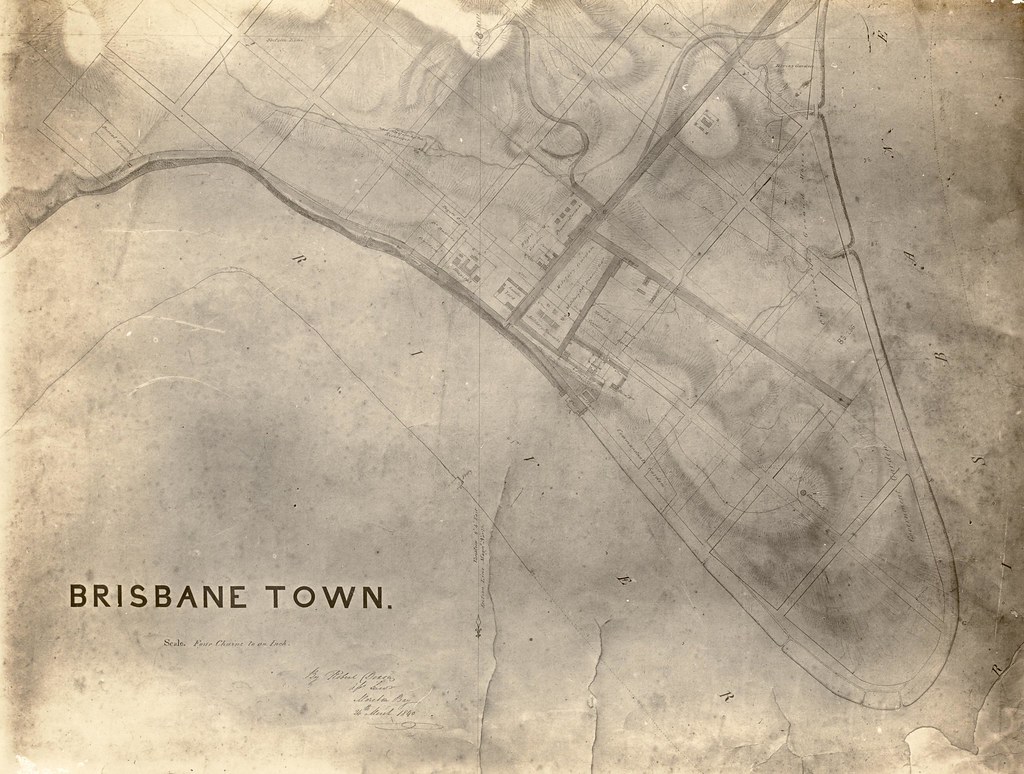
Brisbane’s local government decisions in recent months reflect a complex interplay of political shifts, population pressures, and infrastructure priorities. Understanding how these choices came about requires examining the broader context, including the Queensland LNP government’s policies, the ongoing preparations for the 2032 Olympics, and the South East Queensland population surge fueled by migration from New South Wales and Victoria.
Political Context and Population Growth Driving Change
Queensland’s current political climate under the LNP has seen a focus on infrastructure development and managing rapid urban expansion. The migration influx from southern states has intensified demand for housing, public services, and transportation networks across the Brisbane metropolitan region. This rising population density influences councils’ priorities and decision-making processes, shaping responses to challenges in Logan, Ipswich, and other growth corridors.
The approach to preparing for the 2032 Olympics has also played a significant part. Large-scale projects and event-related infrastructure initiatives require coordination between local councils and state authorities, impacting budget allocations and planning approvals. These factors explain why local governments have increasingly prioritized transport projects, recreational facilities, and urban renewal schemes.
Local Development and Community Responses
The rebuilding of iconic venues such as the Gabba stadium has sparked debate within the community and among stakeholders, highlighting the balancing act local governments perform between supporting major developments and addressing residents’ concerns. Meanwhile, logistics hubs and port-related industries continue to drive economic activity, necessitating council decisions that accommodate industrial expansion alongside residential growth.
Within Logan and Ipswich, councils face ongoing pressures to develop infrastructure that keeps pace with demographic changes while maintaining liveability. Local government choices about zoning, public transport, and service provision reflect attempts to leverage growth opportunities without exacerbating congestion or housing affordability problems.
These developments are not isolated but part of a continuum shaped by preceding government mandates and population trends. Brisbane and surrounding areas’ evolving urban dynamics compel councils to navigate competing interests and limited resources.
Looking Ahead: Managing Growth Through Coordinated Planning
Going forward, local governments in Brisbane will need to maintain close collaboration with state agencies to ensure infrastructure investments align with anticipated demand. Residents and businesses should watch for upcoming council consultations and planning proposals that directly impact neighbourhoods experiencing rapid expansion.
Practical steps for locals include engaging in public forums and staying informed about planning decisions relevant to their areas. As Brisbane prepares for significant population change and major events, responsive governance balancing development and community needs will be essential to shaping the region’s future.