news
Transport and Traffic Challenges in Brisbane: What Residents Need to Know
As Brisbane’s population grows and infrastructure evolves, traffic congestion and transport issues increasingly affect daily life and community well-being.
How we reported this
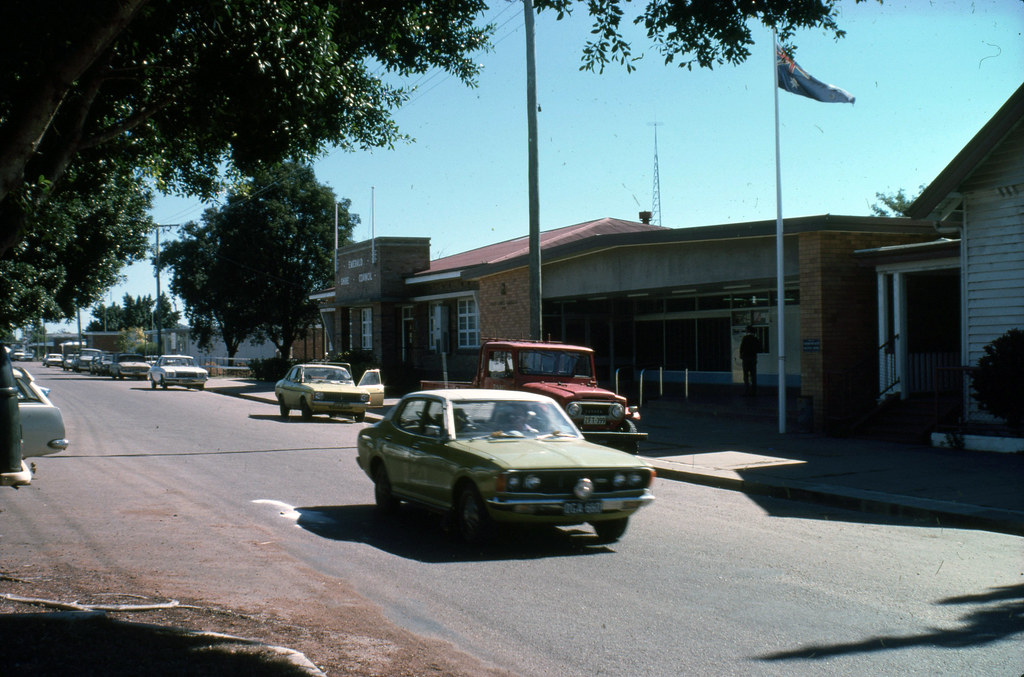
Brisbane residents are facing mounting challenges with transport and traffic as population growth and urban development put pressure on existing infrastructure. The Logan and Ipswich development corridors are experiencing particular strain, impacting commute times, access to services, and overall neighbourhood livability.
Why Transport Issues Matter Now
Queensland’s southeast region continues to attract new residents relocating from New South Wales and Victoria. This influx contributes to a rising population but also intensifies demands on roads and public transport systems. The ongoing preparations for the 2032 Olympics add complexity as upgrades and construction temporarily restrict traffic flow around key venues. While the Gabba rebuild aims to enhance one of Brisbane’s iconic sports stadiums, local residents have expressed concerns over increased congestion and accessibility during and after construction.
For commuters and families, traffic slowdowns mean longer travel times, reduced productivity, and stress. Access to schools, healthcare, and retail centres become less predictable, affecting quality of life in communities spread along major transport routes.
Local Impact on Communities and Daily Life
In suburbs along the Logan and Ipswich corridors, residents have reported bottlenecks on key arterial roads especially during peak hours. These areas have seen rapid housing development, but supporting transport infrastructure upgrades have struggled to keep pace. Delivery trucks navigating these corridors often add to congestion around local shopping and logistics hubs, underscoring the essential role of the port economy to the region but also its effect on traffic patterns.
Public transport options remain patchy in some outer suburbs, leaving many reliant on private vehicles. This dependence exacerbates road crowding and contributes to environmental pressures. Though initiatives are underway to improve bus and rail services ahead of the Olympics, these projects require time and coordinated planning to ease current burdens.
Overall, residents face a balancing act: managing daily commutes amidst construction and growth, while anticipating longer-term improvements tied to state government infrastructure programs.
Looking Ahead: What Residents Can Expect
Brisbane’s transport network is at a critical juncture. Continued population migration and major event preparations will keep pressure high, but targeted government investments aim to mitigate impacts. Residents can expect phased infrastructure upgrades across key development corridors, although some disruptions will persist in the short term.
Local authorities recommend planning travel outside peak times, exploring available public transport options, and staying informed about ongoing construction updates. Community engagement in planning processes remains important to ensure that improvements address neighbourhood needs effectively.