Politics
Brisbane Transport Policy Review Focuses on Cost-of-Living Impact for Households
Changes to Brisbane’s transport strategies are expected to influence daily commuting costs, a key factor for residents managing household budgets in the current economic climate.
How we reported this
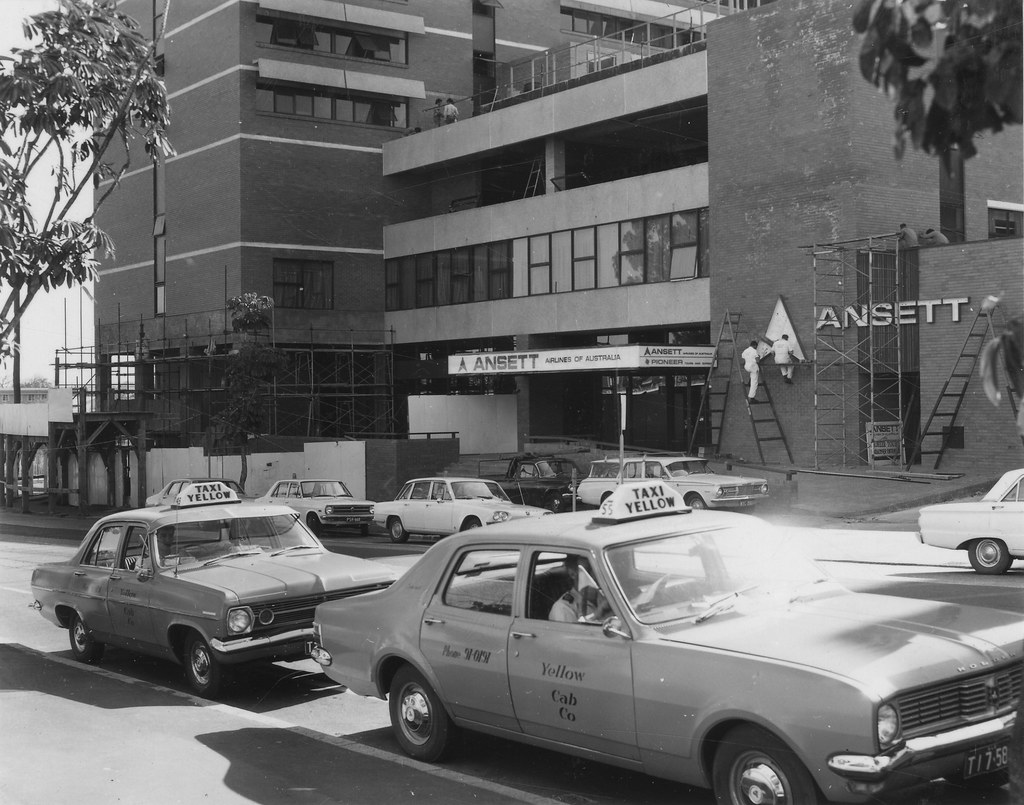
The Queensland government has initiated a comprehensive transport policy review, examining how changes to public and private transport infrastructure and services might affect the cost of living for Brisbane households. This policy review targets adjustments that could reshape commuting expenses, particularly amid rising inflation and economic pressures faced by local residents.
Rising household budgets pressures in Brisbane, driven by increasing fuel prices, utility bills, and general living costs, have made transport affordability a critical aspect for many residents. With the Southeast Queensland Growth Plan forecasting continued population and urban expansion, the way transport is managed will have direct implications for daily expenses, particularly for families and workers commuting to key areas such as the Rivermakers precinct and development corridors in Logan and Ipswich.
Implications for Brisbane Commuters
For Brisbane residents, particularly those travelling to employment hubs or educational institutions, the review signals potential changes in fares, subsidies, or service frequency. Those reliant on the Brisbane City Council bus network, trains servicing Ipswich and Logan corridors, or cycling infrastructure near the Gabba and Rivermakers precinct may see impact on travel choices and related costs. The decisions from this review will play a role in household budgeting, influencing disposable income available for other essentials.
Commuters currently budgeting for transport will want to monitor any announcements regarding changes to concessions, availability of off-peak travel options, or new initiatives supporting active transport modes like walking and biking. The review may consider aligning transport fares with commuters’ income capacities to alleviate financial burdens while also addressing projected infrastructure needs for the 2032 Olympics and ongoing urban development.
Next Steps in the Transport Review Process
The government has opened consultations aimed at incorporating community feedback on transport affordability and infrastructure priorities. As part of this process, assessments of current expenditure on transport and household budget impacts are being evaluated to inform future investment decisions. The outcomes are expected to be integrated with the Southeast Queensland Growth Plan strategies and developments related to the Gabba redevelopment controversy, ensuring transport policies respond to the evolving urban landscape and resident needs.
Community submissions and expert advice will guide the final recommendations. While specific cost changes are not yet outlined, Brisbane residents are encouraged to engage with consultation portals and public forums to share how transport costs influence their personal finances. The government says the policy review will aim to balance infrastructure expansion with affordability to support sustainable growth and everyday living standards in Brisbane.