policy
Understanding the Brisbane City Plan and Local Development Governance
A guide for residents on how the Brisbane City Plan 2014 shapes neighbourhood development and where to access planning decisions.
How we reported this
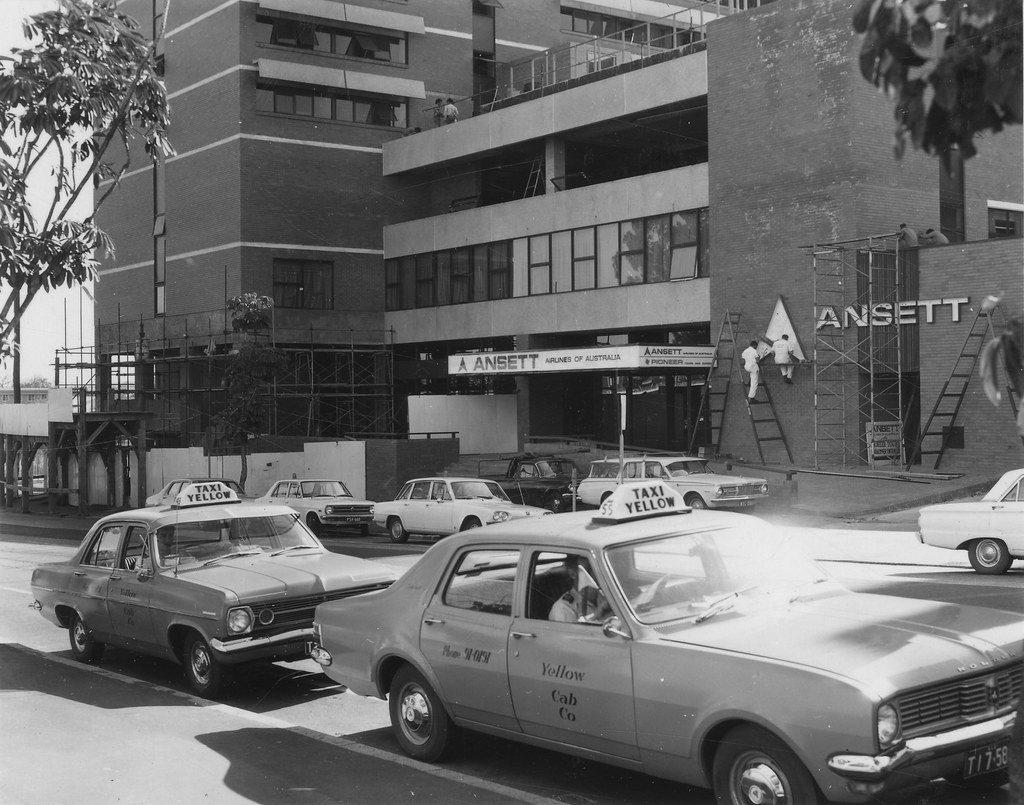
For residents across the Brisbane region, navigating the complexities of urban development begins with the Brisbane City Plan 2014. As the primary regulatory framework for the city, this plan dictates land use, development zones, and overlays, ensuring that growth aligns with the provisions set out under the Planning Act 2016. Understanding this structure is essential for anyone interested in how their local neighbourhood, from inner-city streets to suburban pockets, is shaped over time.
Governance of these planning decisions is divided between two distinct tiers of government. The Brisbane City Council holds responsibility for citywide and neighbourhood planning, focusing on the specific character and requirements of local areas. In parallel, the Queensland Government manages state and regional planning levels, ensuring that local developments remain consistent with broader state objectives. This two-tier system is intended to provide a structured approach to urban growth and land management across the local government area.
How Residents Engage with Development Proposals
The city provides a dedicated digital resource for transparency in planning. The Development.i portal allows residents to review current and past local planning decisions, including details on proposed or refused development applications. By using this platform, community members can stay informed about changes in their immediate vicinity and engage in the formal review and submission process where applicable.
The integrity of these planning provisions is maintained through the Planning and Environment Court of Queensland. In instances where development proposals do not satisfy the ecological requirements of the amended City Plan, the court has, in past proceedings, dismissed appeals. This legal oversight serves to reinforce the standards set out in the planning framework, ensuring that development remains compliant with established environmental and community guidelines.
As the city continues to update its guidelines, amendments to the City Plan are processed periodically. These changes are subject to public consultation periods, providing a mechanism for residents to offer feedback before proposed changes are formally adopted as instruments. For those researching properties or following local infrastructure trends, regularly monitoring the council's official planning updates remains the most effective way to understand upcoming shifts in land use policy.
Produced with AI assistance and reviewed against our editorial standards. Sources are linked where available. Spotted an error or need a correction? Contact [email protected].