property
Zillmere Tops Brisbane's Rental Yield Table as Investors Hunt Northside Bargains
While Sydney and Melbourne buyers chase capital growth, a scrappy northern suburb is quietly delivering some of the strongest gross rental yields in greater Brisbane.
How we reported this
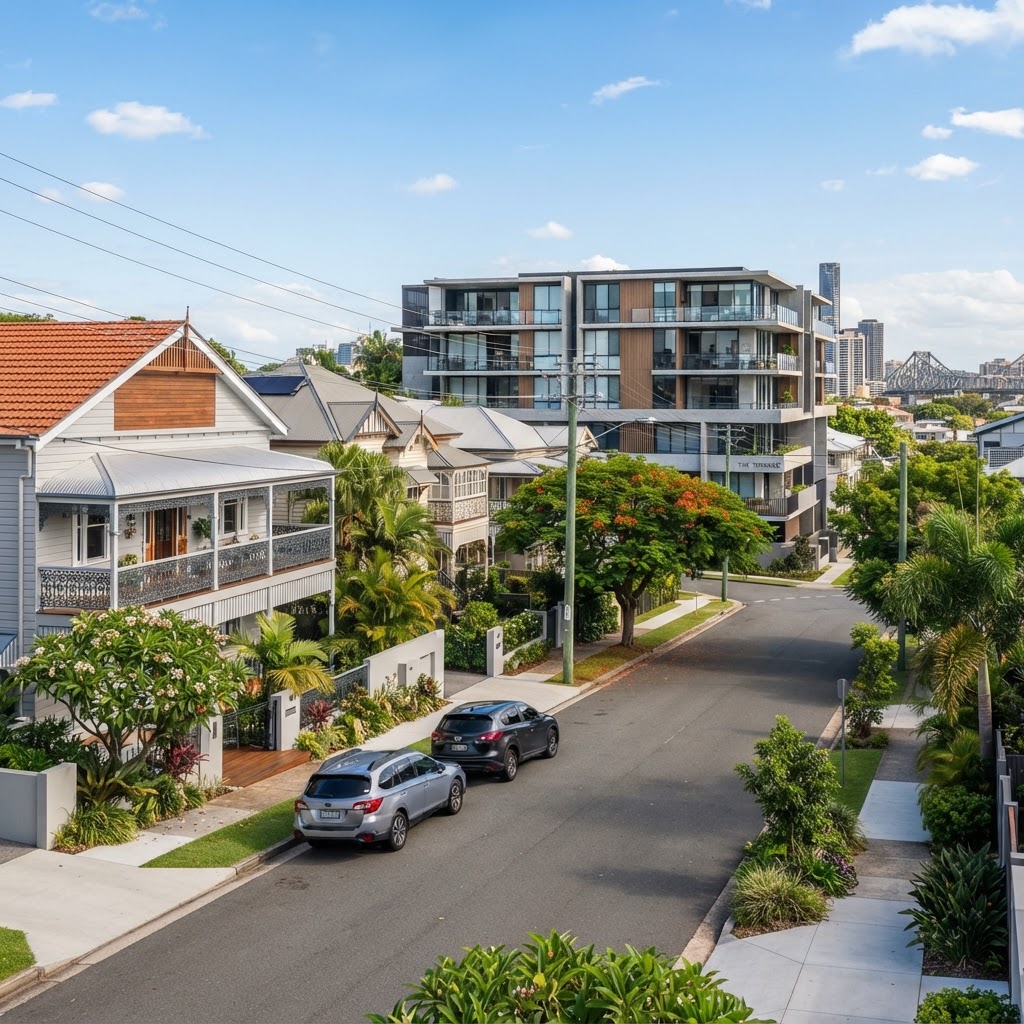
Zillmere, a working-class suburb sitting roughly 13 kilometres north of the Brisbane CBD, has emerged as the city's standout rental yield performer in mid-2026, with gross yields on house-and-land stock consistently tracking above 4.8 per cent, well clear of the broader Queensland median dwelling price of around $780,000 that has squeezed returns in more glamorous postcodes closer to the river.
The timing matters. With Melbourne's auction market recording its worst start to winter in recent memory and interstate migration continuing to funnel NSW and Victorian buyers into South-East Queensland, Brisbane's rental vacancy rate has remained stubbornly tight. Renters who cannot yet afford to buy are competing hard for every available property, and Zillmere, long overlooked in favour of neighbouring Chermside or Aspley, is absorbing that overflow directly.
Why Zillmere, and Why Now
The suburb's appeal to investors is almost perversely simple: entry prices remain comparatively low. Three-bedroom post-war homes on standard 600-square-metre blocks have been trading in the $650,000-to-$720,000 range through the first half of 2026, according to publicly listed sales data on platforms including realestate.com.au. Weekly rents for the same stock have been advertised at $580 to $620, producing gross yields that smaller investors dream about finding in inner-ring suburbs.
Zillmere Road itself tells the story of a suburb in transition. A handful of older duplexes have been quietly snapped up by self-managed super fund buyers over the past 18 months, a pattern visible in settlement records. The suburb borders Geebung to the south and Virginia to the east, two postcodes that absorbed significant price growth between 2021 and 2024, effectively pushing yield-focused buyers one stop further north on the Caboolture rail line, Zillmere Station sits on the Caboolture and Sunshine Coast line, offering a roughly 30-minute commute to Central Station.
Infrastructure is the other lever. The Cross River Rail project, due for completion in 2032 ahead of the Brisbane Olympics, is concentrating attention on the entire inner and middle ring, but planners and buyers alike are increasingly looking at what happens to feeder suburbs once Dutton Park, Boggo Road and Woolloongabba stations activate. Northside suburbs along established rail corridors, Zillmere among them, tend to benefit from that ripple. The Olympic legacy program has already earmarked Northside as a priority zone for active transport upgrades, which adds a long-term infrastructure narrative to what is currently a straightforward yield play.
What the Numbers Actually Mean for Buyers
A gross yield above 4.8 per cent does not automatically mean a deal stacks up. Investors need to stress-test that figure against body corporate fees if buying a unit, water rates, land tax thresholds, Queensland's land tax-free threshold for individuals sits at $600,000 in unimproved value, and the realistic cost of holding a property through any vacancy period. On a $700,000 purchase at 4.8 per cent gross, an investor is collecting roughly $672 per week before expenses, which leaves a reasonable but not generous buffer once mortgage repayments at current variable rates are factored in.
The Real Estate Institute of Queensland regularly publishes rental market data by local government area, and Brisbane City Council's Neighbourhood Profile portal breaks suburb-level data down further for buyers willing to do the desk work before they make an offer. Both are worth checking before signing anything.
For investors sitting on the fence, the practical calculus in Zillmere right now is this: the yield is there, the entry price is still below the city median, and the suburb has two structural tailwinds, rail access and Olympics-era infrastructure spending, that are not going away before 2032. The window where those factors are not yet priced in is narrowing. Suburbs like Virginia and Chermside looked much the same five years ago. They do not look that way today.
This article is general information only and is not personal financial or investment advice. Consider your own circumstances and seek licensed professional advice before making financial decisions.