property
The Great Queensland Divide: Regional rental markets vs capital city comparisons
As interstate migration continues to reshape the property map, tenants and prospective buyers are weighing the cost of life in the capital against the shifting landscape of regional Queensland.
How we reported this
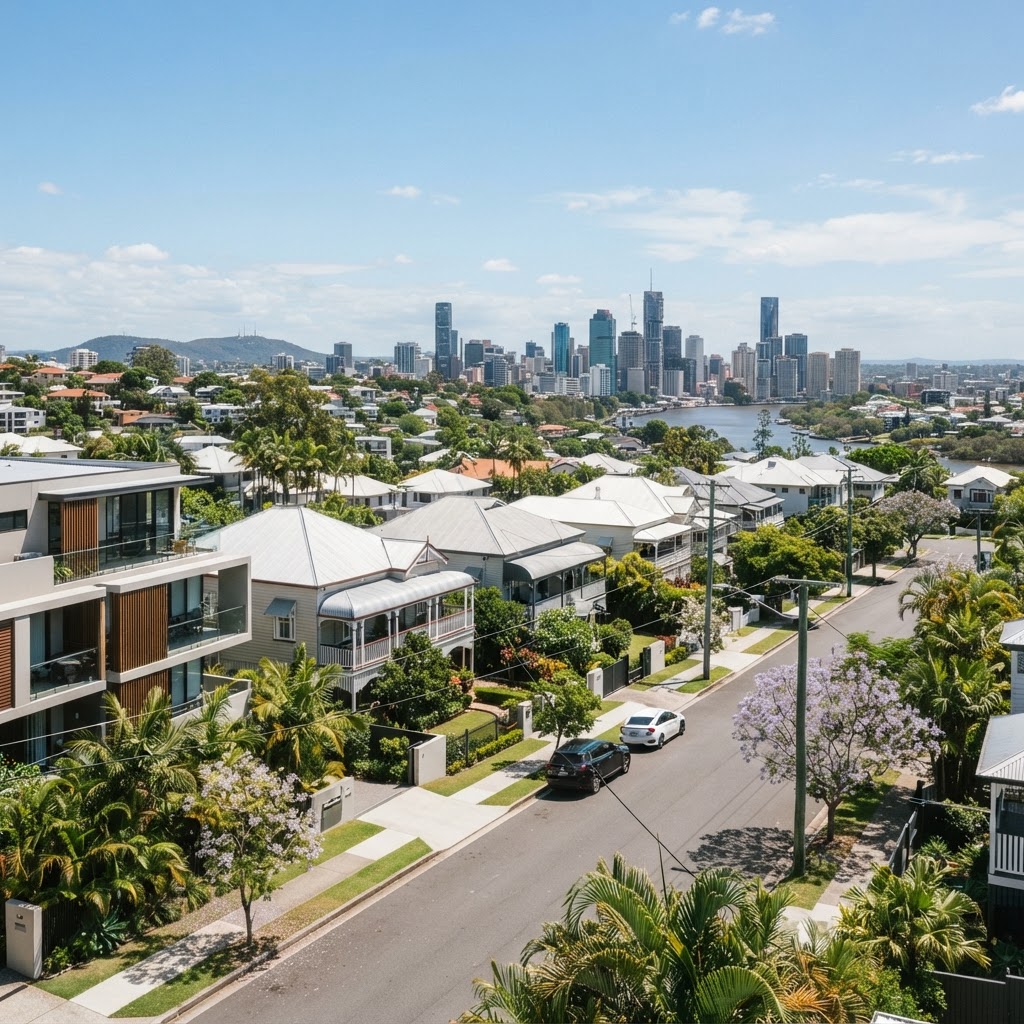
The cost of housing remains the most significant financial pressure point for Queensland households as the gap between capital city living and regional affordability continues to widen. Data from Realestate.com.au indicates that investor activity has faced headwinds following recent budget shifts, creating a distinct divergence in how buyers and renters approach the market across the state.
For many Brisbane residents, the dream of home ownership is increasingly tempered by the realities of a competitive capital market. Neighborhoods such as New Farm and West End remain high-demand corridors where median entry prices require substantial capital, driving many first-home seekers to look further afield. This geographic drift is not merely a search for lower prices; it is a strategic repositioning as infrastructure projects linked to the 2032 Olympic and Paralympic Games begin to alter the accessibility of the city’s outer fringes.
Shifting priorities for prospective buyers
In contrast to the intense competition seen in Brisbane’s inner-ring suburbs, regional Queensland hubs offer a different proposition. Prospective buyers are increasingly eyeing areas that balance proximity to coastal lifestyle amenities with lower entry costs compared to the metropolitan core. This trend is supported by consistent interstate migration from New South Wales and Victoria, with many arrivals prioritizing properties that offer versatile design and privacy-features now heavily marketed by developers launching new projects along the Gold Coast.
Analysis from industry reporting highlights that while the Queensland median sits around $780,000, regional markets often provide a buffer for those feeling squeezed out of the capital. Investors, meanwhile, have shown a more cautious approach following recent tax adjustments in neighboring states, leading some to pivot their portfolios toward Queensland’s regional centers where rental demand remains robust despite broader market fluctuations.
The rental equation
Renters are similarly recalibrating their expectations. In Brisbane, the competition for rental stock near transit hubs and employment centers remains high. However, the pressure in regional markets is telling a different story, as supply-side constraints often dictate affordability more than in the capital. The decision to rent in a regional center versus buying in the capital often comes down to the individual’s long-term mobility and employment requirements.
Moving forward, the focus for both buyers and tenants will remain on the interplay between infrastructure investment and interest rate stability. Prospective homeowners should prioritize long-term utility, examining how current transport developments will impact their chosen location over the coming decade. As the state prepares for the 2032 Games, the distinction between central and regional affordability is expected to remain a defining feature of the Queensland property market.
This article is general information only and is not personal financial or investment advice. Consider your own circumstances and seek licensed professional advice before making financial decisions.