property
How much rent is too much? the 30% rule in practice
Brisbane renters are testing the limits of the 30 per cent income benchmark as migration and infrastructure spending reshape local markets.
How we reported this
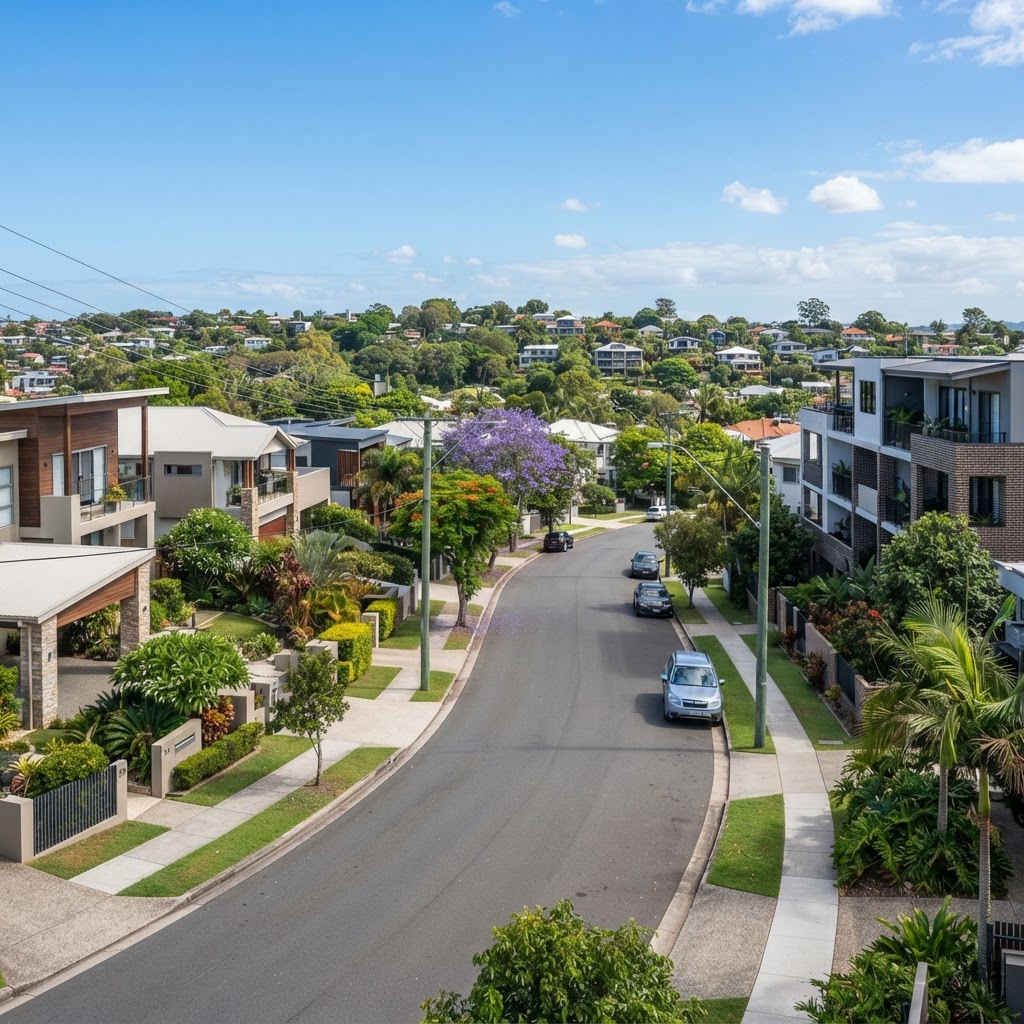
More than one in three Brisbane rental households now pay above the traditional 30 per cent of gross income on housing, according to the latest quarterly figures released this month by the Queensland Government Statistician.
The threshold matters now because interstate arrivals from New South Wales and Victoria have lifted demand while the 2032 Olympics infrastructure program accelerates price growth across established suburbs, squeezing budgets that were already stretched after the 2024-25 rate rises.
Tenants in Albion and Coorparoo report weekly rents climbing past $720 for three-bedroom houses, pushing single-income households and young couples well over the benchmark even before transport and energy costs are added. Brisbane City Council’s Northside activation grants and the state’s first-home buyer duty concessions have so far done little to ease immediate pressure on those still renting.
Domain’s June 2026 data placed the Queensland median dwelling price at $780,000, with inner-north units averaging $585,000; at current interest rates a 20 per cent deposit on either figure requires a household income of roughly $142,000 to stay inside the 30 per cent repayment rule.
Northside versus Southside realities
Northside pockets such as Chermside and Nundah show vacancy rates below 1.8 per cent, with two-bedroom units listed at $580-$620 a week. Southside corridors around Stones Corner and Greenslopes remain marginally cheaper at $540-$590, yet both zones now record median rents that consume 34 per cent of the typical renter household income reported by the Australian Bureau of Statistics.
Practical steps before signing
Prospective tenants can run the numbers against the 30 per cent line by dividing gross weekly pay by 3.3 and comparing the result with advertised rents on realestate.com.au or through local agents. Those who exceed the threshold are increasingly turning to shared equity schemes or delaying purchase until after the next federal budget, when further first-home buyer support measures are expected.
This article is general information only and is not personal financial or investment advice. Consider your own circumstances and seek licensed professional advice before making financial decisions.