property
Brisbane Property 2026: A Buyer’s Guide to Navigating Surging Prices
With forecasts tipping double-digit growth, first-home buyers and newcomers need a clear strategy.
How we reported this
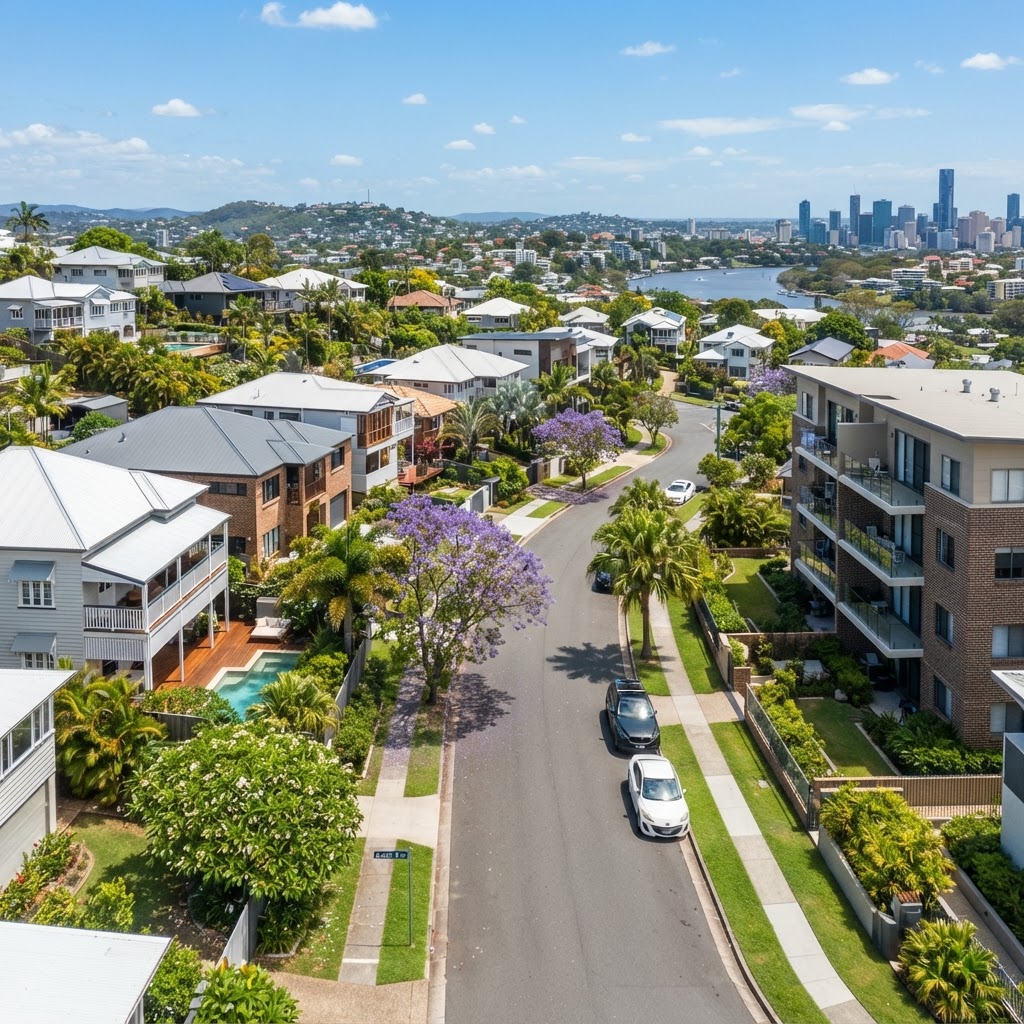
Brisbane’s property market is charging ahead in 2026, with new forecasts from KPMG predicting house prices will surge 10.9% this year, nearly double Sydney’s pace, and a further 8.9% in 2027. For buyers trying to get a foothold, the numbers can feel daunting, but understanding the data and planning carefully can make the difference.
What the Forecasts Say
Multiple sources are pointing to strong growth. KPMG’s outlook is among the most bullish, but ANZ Research predicts a 9.7% rise for Brisbane in 2026, though it expects growth to slow sharply to 1.4% in 2027 as affordability constraints bite. Major banks offer a more conservative range of 4% to 8% for 2026 (Westpac: 8%, CBA: 4-5%), while SQM Research remains optimistic with a 10-15% base case forecast. The median dwelling value in Brisbane has already climbed to $1,126,149 as of May 2026, reflecting 19.1% annual growth and placing the city among Australia’s strongest-performing capital markets.
That median, above $1.1 million, is a clear signal that entry-level buyers face a challenging environment. Unit prices are also rising, with KPMG forecasting 7.8% growth this year and 4.9% next, offering a potentially more affordable path into the market.
Why Brisbane Is Outpacing Other Capitals
Brisbane’s relative affordability compared to Sydney and Melbourne, combined with strong interstate migration from New South Wales and Victoria, continues to drive demand. The 2032 Olympic and Paralympic Games infrastructure pipeline is also boosting confidence in areas slated for transport and community upgrades. While the research doesn’t break down growth by individual suburb, buyers should expect competition to remain fierce across the city.
What does this mean for someone trying to buy now? The key is to go in prepared. With multiple forecasts converging on a 9-11% rise for 2026, waiting could mean paying significantly more later in the year. At the same time, the moderation predicted for 2027 by ANZ (1.4%) and KPMG (8.9%) suggests a potential cooling, so over-leveraging now could leave some buyers exposed.
Practical Steps for New Buyers
For first-home buyers and those relocating to Brisbane, a few strategies emerge from the data. First, get pre-approval early, with prices climbing quickly, having finance ready gives you an edge at auction or in negotiations. Second, consider units or townhouses in well-connected suburbs to keep the purchase price under $800,000, where many first-home buyer grants and stamp duty concessions apply. Queensland’s First Home Owner Grant and stamp duty exemptions for properties under certain thresholds can still provide meaningful relief, though eligibility criteria should be checked with a conveyancer or the Queensland Revenue Office.
Third, look beyond the inner ring. Suburbs within 10-15 kilometres of the CBD that are earmarked for future infrastructure, such as those near the Cross River Rail stations expected to open in 2026-27, may offer better value and longer-term growth potential. The Olympics-related spend on transport and community facilities could lift property values in these areas over the next six to eight years.
Finally, keep an eye on interest rates. While the Reserve Bank has held rates steady through mid-2026, any cuts (which several economists predict for late 2026) would boost borrowing capacity but could also reignite price growth. Buyers should stress-test their budgets against a rate rise, not a cut.
Brisbane’s property market is showing no signs of a sudden downturn, but the window for buying at today’s prices is narrowing. The forecasts are clear: act with a solid plan, realistic budget, and an eye on long-term infrastructure, and you can navigate this market with confidence.
This article is general information only and is not personal financial or investment advice. Consider your own circumstances and seek licensed professional advice before making financial decisions.