property
Brisbane's 2026 Development Wave: Policy Shifts and Market Impacts
From Waterfront Brisbane to South Brisbane towers, major projects reshape the city as planning decisions accelerate ahead of the 2032 Olympics.
How we reported this
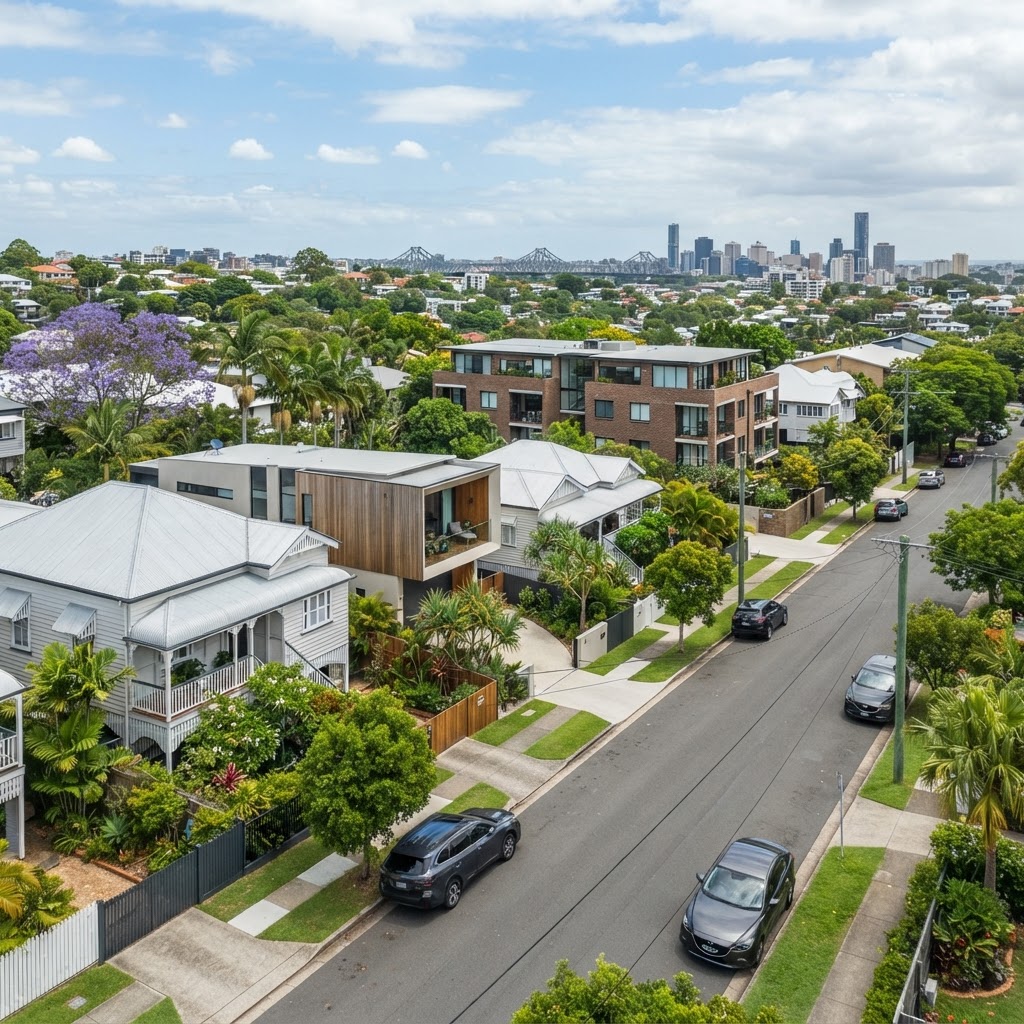
Brisbane's property pipeline is filling fast in 2026, with several major developments moving from planning approvals to construction as policy changes and Olympic-driven infrastructure priorities reshape the market. The $2.5-billion Waterfront Brisbane project by Dexus near Eagle Street is now underway, delivering two new commercial towers, riverfront dining, and a new city-cat terminal, with the first tower opening later this year. The scale of investment signals confidence in the city's long-term growth trajectory, backed by state and local planning decisions that have streamlined approvals for large-scale urban renewal projects.
Policy Context Driving Development
The acceleration of projects like Waterfront Brisbane and Mosaic Property Group's 37-storey Montague Road development in South Brisbane, featuring 204 apartments and over 2,000 sqm of wellness amenities, launching in early 2026, reflects a broader push by the Queensland government and Brisbane City Council to increase housing supply ahead of the 2032 Olympic and Paralympic Games. Planning reforms introduced over the past two years have cut approval times for projects in designated growth areas, including the inner-city and transport corridors. This has allowed developers to bring forward new supply at a time when Brisbane's vacancy rate remains tight and interstate migration continues to add demand pressure.
Local Project Pipeline
In Woolloongabba, Sarazin is expected to launch The Stanley in 2026, a two-tower mixed-use project rising 53 and 36 storeys with 447 apartments. The development is designed to support the suburb's transformation ahead of the Olympics, with the Gabba stadium precinct set to host major events. Closer to the river, the Waterfront Brisbane project will add significant commercial floor space and public realm improvements, including expanded dining options along the Eagle Street precinct and a new city-cat terminal to improve connectivity to the CityCat network. These projects are concentrated in suburbs already benefiting from transport upgrades and higher density zoning, reflecting a planning strategy that funnels growth into established urban centres rather than greenfield sites.
Evidence of Market Impact
While specific price movements are not available in the latest data, the volume of development underway, more than a dozen major projects launching in 2026 alone, according to online listings, suggests builders and developers are betting on sustained demand. The Queensland median house price sits at approximately $780,000, and the supply of new apartments in inner-ring suburbs is expected to absorb some of the pressure from interstate buyers and renters. The first Waterfront Brisbane tower opening in 2026 will be a key test of whether commercial and residential demand can keep pace with the new supply coming online.
For buyers and investors, the current market offers choice across price points and locations, from the prestige towers of the CBD to the mid-market offerings in South Brisbane and Woolloongabba. With planning decisions continuing to favour higher-density development near transport hubs, these suburbs are likely to see further apartment projects announced as the 2032 Games approach. Monitoring council's Development.i website for new approvals and community consultation periods remains the best way for locals to track what is coming next in their neighbourhood.
This article is general information only and is not personal financial or investment advice. Consider your own circumstances and seek licensed professional advice before making financial decisions.