property
Brisbane housing market slows but units take the lead as supply shifts
Median dwelling values hit $1.126 million in May before growth eased in June, with apartments now driving the cycle as listings rise and clearance rates drop.
How we reported this
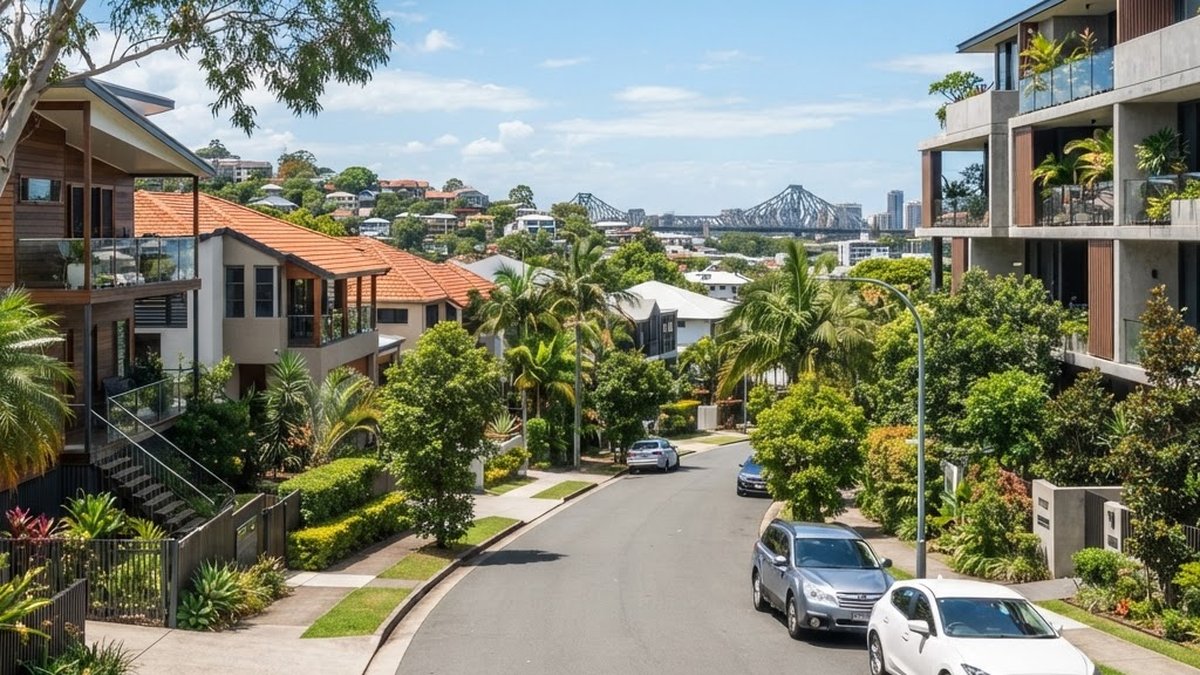
Brisbane's property market is showing clear signs of a turning point. After hitting a median dwelling value of $1,126,149 in May 2026, a 19.1% annual gain that more than doubled the national average of 8.8%, the pace of growth has slowed sharply. In June, overall values crept up just 0.3% for the month, while unit values surged 2.2% over the quarter, outpacing houses for the first time in this cycle, according to data cited in market updates from Smart Property Investment and PropTalk.
Units now leading the growth cycle
The numbers make the shift unmistakable. The median house value sits around $1,232,690, while the median unit value is $884,881. Houses still command a large premium, but it is apartments that are driving the current growth phase. This is a structural change from the pandemic years, when detached homes in Brisbane's outer suburbs consistently recorded the strongest gains. Now, buyers and investors are turning to higher-density stock, attracted by relative affordability and the city's accelerating infrastructure pipeline linked to the 2032 Olympics.
More choice for buyers, less urgency
Supply conditions are also shifting. Listings climbed 13.6% year-on-year, while sales volumes fell 2.4%, meaning more homes are sitting on the market for longer. Auction clearance rates have dropped to 39.4%, giving buyers greater negotiating power. At the same time, PropTrack data recorded a 0.2% median price dip in June to $1.073 million, reinforcing the sense that the market is no longer charging ahead. For buyers who have felt locked out in recent years, this reprieve is real, though it has not yet translated into rental relief.
Rental market remains extremely tight
The rental crunch continues. Brisbane's vacancy rate sat at just 0.9% in May 2026, one of the lowest in the country, and annual rent growth was 6.6%. Investors are responding to that yield pressure, but with new unit supply still constrained by construction costs and planning timelines, the imbalance is likely to persist. The Olympics-related development pipeline, including major transport and precinct upgrades, is expected to unlock additional housing supply in the medium term, but that is a multi-year horizon.
What happens next will depend on how quickly new apartment projects reach completion and whether buyer caution deepens. For now, the data suggests Brisbane is transitioning from a seller's market into a more balanced one, especially in the detached housing segment, while units take up the running. Buyers with finance in place and patience to negotiate have better odds than they did six months ago.
This article is general information only and is not personal financial or investment advice. Consider your own circumstances and seek licensed professional advice before making financial decisions.