sport
The grassroots story behind Brisbane’s community sport movement
Local clubs and community programs are fueling a resurgence in youth sports across Brisbane’s suburbs, creating pathways beyond professional leagues.
How we reported this
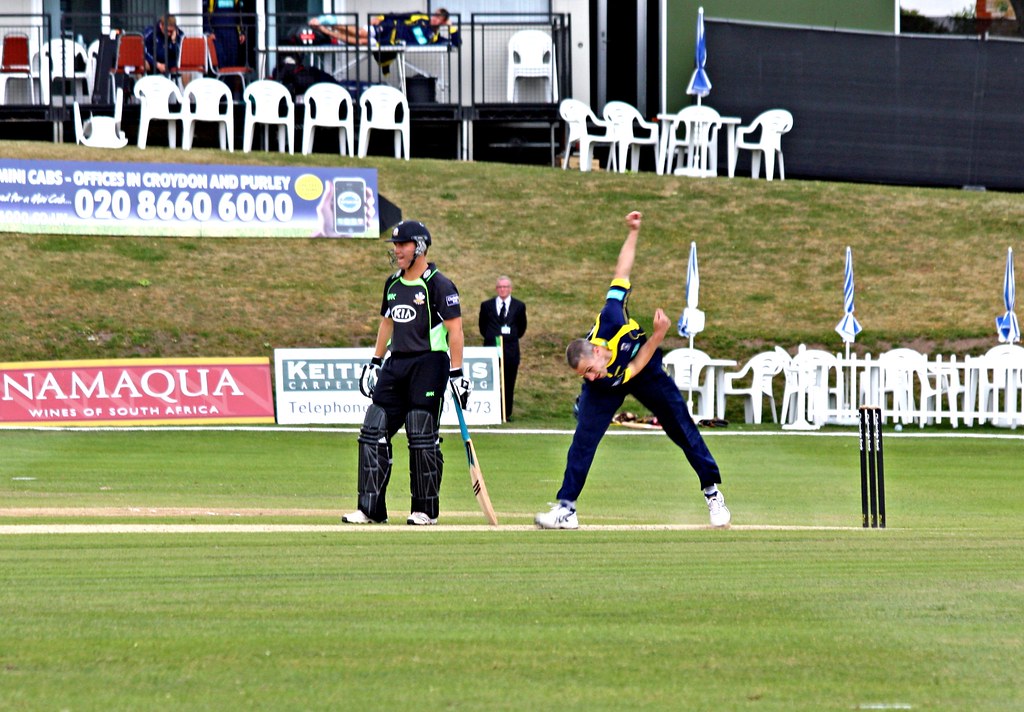
Brisbane has seen a sharp rise in youth participation in grassroots sports over the past year, with community clubs reporting a 15% increase in enrolments since June 2025. This surge is being driven by neighbourhood initiatives and improved access to local facilities.
The renewed interest in community sport comes at a critical time, as experts warn that youth physical activity rates have generally declined nationwide. Brisbane programs aim to reverse this trend by making organised sport more inclusive and affordable, promoting both physical health and social cohesion among young people.
Local clubs and venues driving participation
In the southern suburb of Greenslopes, the Greenslopes Junior Soccer Club has doubled its intake of players aged 8 to 14 in the last twelve months, now hosting over 400 children weekly at its fields on Vicar Street. Club manager Peter Langford credits recent upgrades to floodlighting and the installation of synthetic turf at the Greenslopes Sports Complex for enabling year-round training.
Meanwhile in the north, the Wooloowin Youth Cricket Association has introduced a no-cost membership drive at the Emerson Park cricket nets on Bonney Avenue, attracting more than 150 new participants this season alone. The association’s move to remove barriers such as equipment costs is seen as pivotal, especially for families in lower-income suburbs.
Investment and impact
Brisbane City Council’s 2025-26 budget allocated $3.2 million specifically to grassroots sport infrastructure and community coaching programs, highlighting official support for these trends. Recent data from Sport Queensland shows 62% of Brisbane youths aged 10 to 17 engage in organised sport, compared to 54% across the rest of Queensland. This above-average participation rate is linked to accessible local programs and new community partnerships.
Financially, many clubs have worked to keep fees below $150 per season, significantly less than metropolitan averages, making sports more accessible at the family level. Initiatives like free Saturday training sessions and shared equipment libraries also help to reduce costs.
Community leaders emphasise that this momentum is sustainable only if grassroots sports continue receiving funding and volunteers remain engaged. With the Brisbane 2032 Olympics on the horizon, the spotlight on youth sport development has never been brighter.
For families looking to get involved, local councils and community centres provide updated directories of clubs and session times, while schools often coordinate introductory programs during term breaks. Interested parents can visit Brisbane City Council’s Sport and Recreation page or contact local clubs directly to enrol their children or volunteer.