sport
From school fields to community spirit: The grassroots movement reshaping Brisbane high school athletics
A quiet surge in local sport participation is being driven not by elite programs but by parent-led clubs and school partnerships across the city’s suburbs.
How we reported this
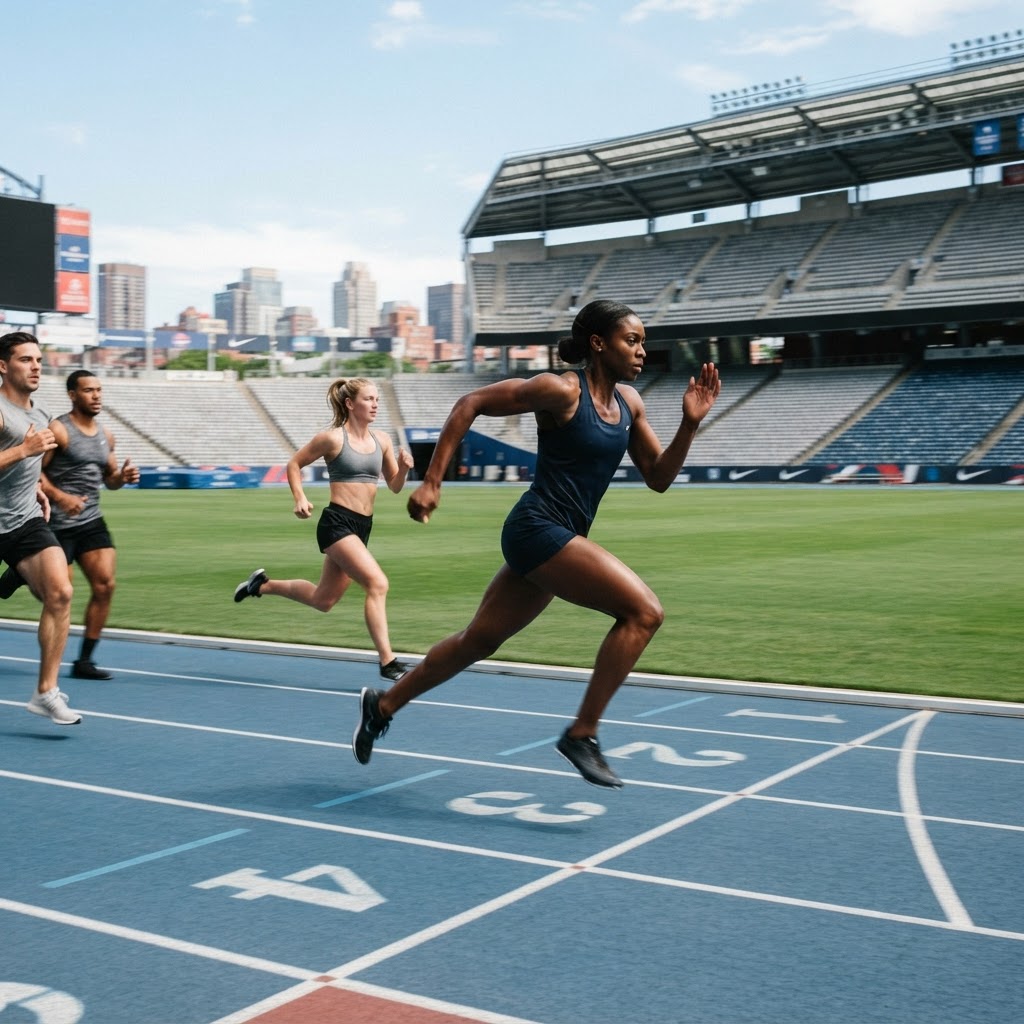
On any given Tuesday afternoon, the oval at Brisbane State High School is a swirl of colour, blue and gold track suits, netball bibs, the scuffed leather of a Sherrin. This is not a training session for future Olympians. It is the weekly meeting of the school’s community-run after-hours sport program, one of dozens now operating across the city’s public and private secondary schools.
These programs are part of a broader trend that has quietly taken hold in Brisbane over the past three years. Participation numbers in school-affiliated community sport leagues have climbed steadily since mid-2023, according to local organisers. The movement is fuelled not by government mandates or elite pathways but by parents, volunteer coaches and local business sponsors who see school sport as a way to rebuild social connection in a city that has grown quickly.
A city’s growth spurs a community response
Brisbane’s population has swelled past 2.6 million, and new suburbs like Yarrabilba and Ripley have sprouted along the southern corridor. With that growth has come a strain on traditional club infrastructure. Fields are booked weeks in advance. Volunteer umpires are scarce. Many parents found themselves driving 40 minutes each way for weekend fixtures.
Schools stepped into the gap. At Cavendish Road State High School in Holland Park, the P&C launched a Saturday morning multi-sport program in early 2025 that now fields 18 teams across touch football, netball and basketball. The program uses school courts and ovals, facilities that would otherwise sit empty, and charges a nominal fee of $50 per term to cover insurance and equipment. It drew 320 students in Term 1 alone.
Similar initiatives have taken root at Indooroopilly State High School and Ferny Grove State High School, where community sport coordinators, often part-time volunteers, organise after-school fixtures that feed into local club competitions. The model is simple: the school provides the space and the administrative backbone; parents provide the coaching, the oranges and the sideline encouragement.
Why it matters now
The push comes at a time when organised sport for teenagers faces headwinds. A 2025 survey by the Queensland Department of Sport found that 38 per cent of high school students in the state’s south-east reported playing less organised sport than they did before the COVID-19 pandemic. Cost and travel were the top barriers.
Community school sport programs remove both obstacles. By keeping activities on campus and capping fees, they lower the financial hurdle. At Brisbane State High, the after-hours program costs families nothing beyond a $30 annual membership, a fraction of the cost of a standalone club registration. The school’s principal noted in a newsletter that the program had seen a 25 per cent increase in female participation since its launch in 2023.
The ripple effects are tangible. Local sporting clubs in suburbs like Coorparoo and Ashgrove report that students introduced to a sport through a school program are twice as likely to join a club team the following season, according to anecdotal feedback from club presidents. The school programs function as a feeder system, but one built on accessibility rather than selection.
No formal statewide policy mandates these initiatives. They are grassroots efforts, coordinated through school newsletters and P&C meetings. For now, they are working. The challenge will be sustaining them as volunteer burnout, rising insurance costs and the perennial hunt for oval space continue to loom. If the past three years are any guide, Brisbane’s school communities are not waiting for permission to solve that problem themselves.