sport
Beyond the elite: How Brisbane's high school athletics is building a community sport movement from the ground up
While the tennis world watches Wimbledon and the AFL finals race heats up, a quieter revolution is unfolding on school ovals across Brisbane’s suburbs.
How we reported this
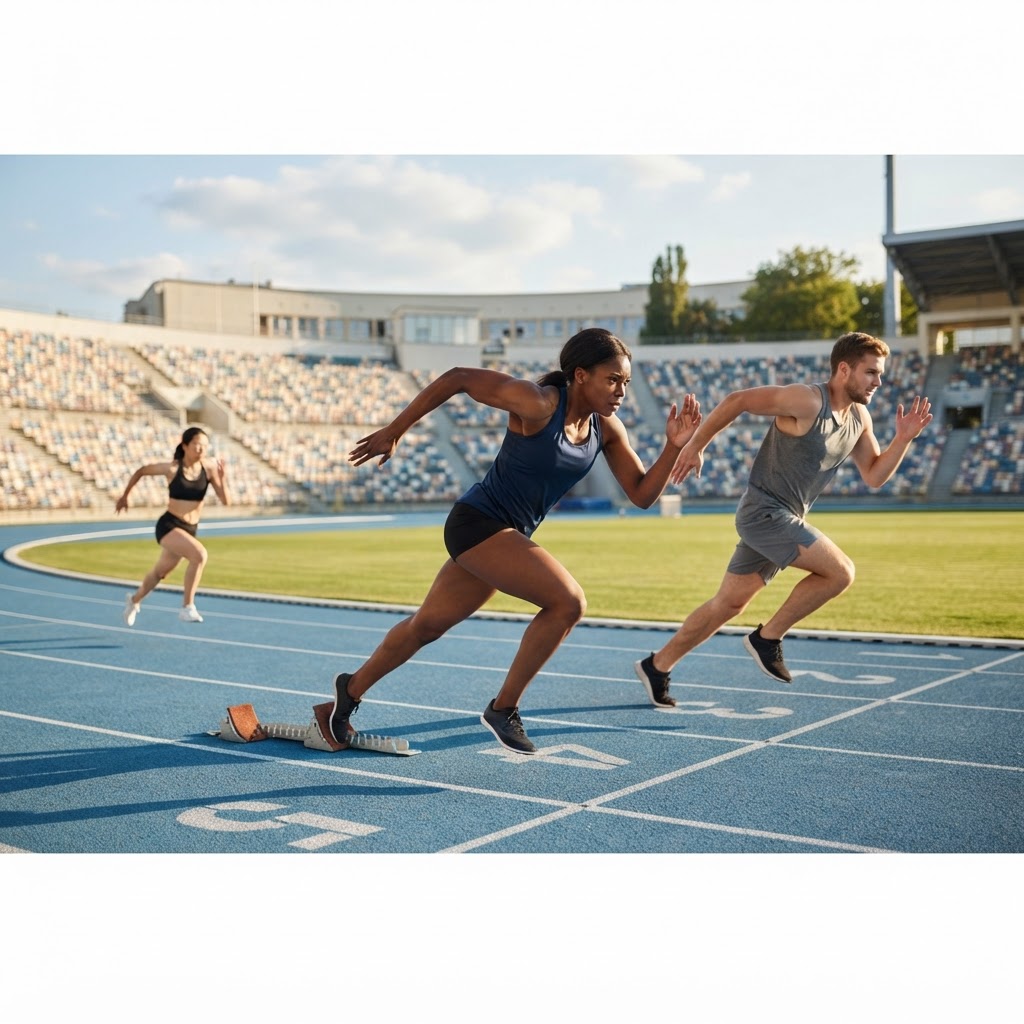
On any given weekday afternoon, hundreds of teenagers in blue, gold and maroon singlets are sprinting through the cool winter air on ovals from Chermside to Cleveland. They are not chasing a professional contract or a national ranking. They are chasing a personal best-and, for the sport itself, that may be the most important thing.
The Greater Brisbane Secondary Schools Track & Field Association, which coordinates inter-school competition for more than 70 metropolitan high schools, has seen participation hold steady even as many community sporting clubs report declining numbers post-pandemic. That consistency is not an accident. It is the result of a deliberate, decade-long push by volunteer coaches, parent committees and school sports coordinators to keep athletics accessible-and fun-for the wide middle of the bell curve.
The discipline before the spotlight
In January, Brisbane hosted the All-Schools Summer Carnival, a three-day carnival that drew more than 1,200 secondary students from across Queensland to the Queensland Sport and Athletics Centre at Nathan. The event, run entirely by volunteers, offered no prize money. The winners walked away with a sash and, for a few, a chance to be noticed by a state talent-identification program. Yet the field filled within 48 hours of entries opening.
The grassroots movement hinges on a simple philosophy: keep the entry fee low, the barriers low and the fun high. Each school pays an annual affiliation fee of roughly $850 to the association. That covers insurance, officials’ accreditation and a share of track-hire costs at venues such as the University of Queensland’s Ovals and the Brisbane Athletics Track at Colmslie. The fee structure has not changed since 2022, a point of pride for organisers who argue that cost is the biggest single obstacle to participation.
A pipeline that doesn’t start at the elite level
None of this is headline-grabbing. But the stability of the high-school athletics system in Brisbane offers a contrast to the volatility visible in other sports. The AFL, for instance, saw the GWS Giants produce a statement win over Geelong in July, a result that AFL journalists described as evidence the Giants are “capable of a deep finals run.” That kind of elite performance depends on a long pipeline of junior talent. In Brisbane, the pipeline runs through Saturday morning carnivals at the Colmslie facility, where primary-schoolers compete in egg-and-spoon races alongside the under-12 hurdles.
The State Government’s Active School Travel program, which encourages walking, cycling and scooting to school, has also contributed to a broader culture of physical activity. While not directly an athletics initiative, the program has normalised movement in the school day, making it easier for teachers to spot children with natural speed or endurance during lunchtime kickabouts.
What happens next is uncertain, but the trajectory is promising. The association is exploring a partnership with the QSport Foundation to launch a formal volunteer-training academy, aimed at certifying another 80 parent-coaches by the end of 2027. There is no guarantee the numbers will hold-rising insurance costs and competition for weekend playing fields are perennial threats. But for now, on the grass of Whites Hill, Musgrave Park and the bayside reserves, the grassroots engine of Australian athletics keeps turning. No cameras. No cash. Just the crack of the starter’s pistol, and the sound of kids running for the sheer love of it.