sport
Grassroots to global: Brisbane's amateur sport infrastructure faces a test of endurance
As local league registrations climb and major events loom, the city's network of suburban ovals and community courts is under the microscope.
How we reported this
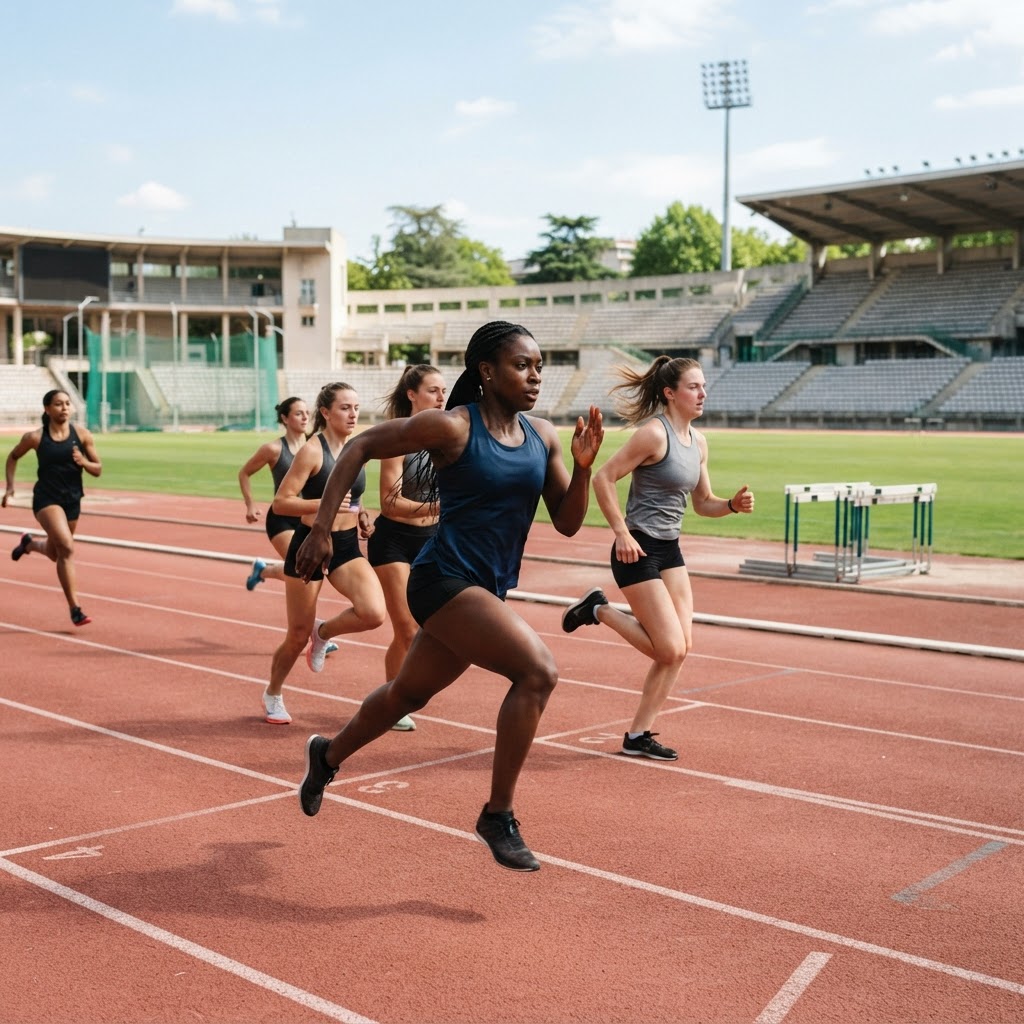
Brisbane’s army of amateur athletes is bigger than it has been in a decade. Club registrations across the city’s major community sport codes-football, rugby league, netball and cricket-have climbed 12 percent since 2023, according to data from the Queensland Department of Sport and Recreation. That surge is colliding with a hard reality: the pitches, courts and clubhouses that serve these teams were largely built in the 1980s and 1990s, and many are showing their age.
Fields of dreams, and deferred maintenance
Take the southside corridor from Moorooka to Sunnybank. On any Saturday morning the ovals at Yeronga Memorial Park and Runcorn’s Les Atkinson Park are booked solid from 7am until dusk. The combined catchment of the South East Rugby Union and the Brisbane Women’s Netball Association alone fields more than 140 teams each winter. But at Yeronga, players and parents complain about drainage failures that turn the number-one oval into a bog after 40 millimetres of rain-something that happened three times last season, according to the park’s booking log, which is publicly available through Brisbane City Council’s venue portal.
The council has invested $4.7 million over the past two financial years into resurfacing cricket nets and upgrading changerooms at 22 suburban grounds, including Whites Hill Reserve in Camp Hill and O’Callaghan Park in Zillmere. But the Queensland Sport and Recreation Facilities Audit, released in May, identified a $23 million backlog in essential renewals across community sport venues in greater Brisbane alone. The bulk of that gap is in drainage, lighting and female-friendly amenities.
Lighting, lights, action-and gaps
Night training is where the infrastructure pinch is felt most acutely. The Brisbane Junior Rugby League competition runs 36 clubs, from Pine Rivers to Beenleigh. Of those, only 14 have floodlighting that meets the 150-lux minimum required by the league for evening under-16 fixtures. The rest rely on portable generators and battery-operated LED towers, a setup that can cost clubs up to $600 a week in hire fees-money that comes straight out of canteen and fundraiser revenue.
Netball Queensland told The Daily Brisbane that its seven regional netball centres across the city operate at 94 percent capacity on weeknights. At the Chermside Netball Centre, players sometimes share a single court for warm-ups because the other three are occupied until 9pm. The association’s general manager of facilities, a role created only last year, has started lobbying the state government for a dedicated lighting upgrade fund ahead of the 2032 Olympic and Paralympic Games.
That is not the only Games-related pressure. Brisbane 2032 organisers have confirmed that several suburban venues will be used as training bases for international teams. Among them: the Sleeman Centre in Chandler and the Queensland Sport and Athletics Centre at Nathan. That will mean temporary closures of some community courts during peak pre-Games periods in 2031 and 2032, a timeline that local clubs are only now beginning to factor into their planning.
What happens next
Brisbane City Council is due to release a 10-year sports infrastructure plan in October. The document, first flagged in the council’s 2025-26 budget papers, is expected to prioritise multi-sport hubs over single-code facilities-a shift that could reshape how amateur leagues share space. Clubs that have not yet registered their current usage data with the council’s venues team may want to do so before the plan is drafted. The online portal at brisbane.qld.gov.au accepts submissions until August 31. For a city that wants to be a global sporting capital, the next few months will decide whether the foundations are ready for the spotlight.