sport
Grassroots Athletics Build Community Foundations Across Brisbane
As professional sports leagues grapple with industrial disputes and international tournament pressures, the city's local athletics clubs are quietly strengthening their role in neighbourhood life.
How we reported this
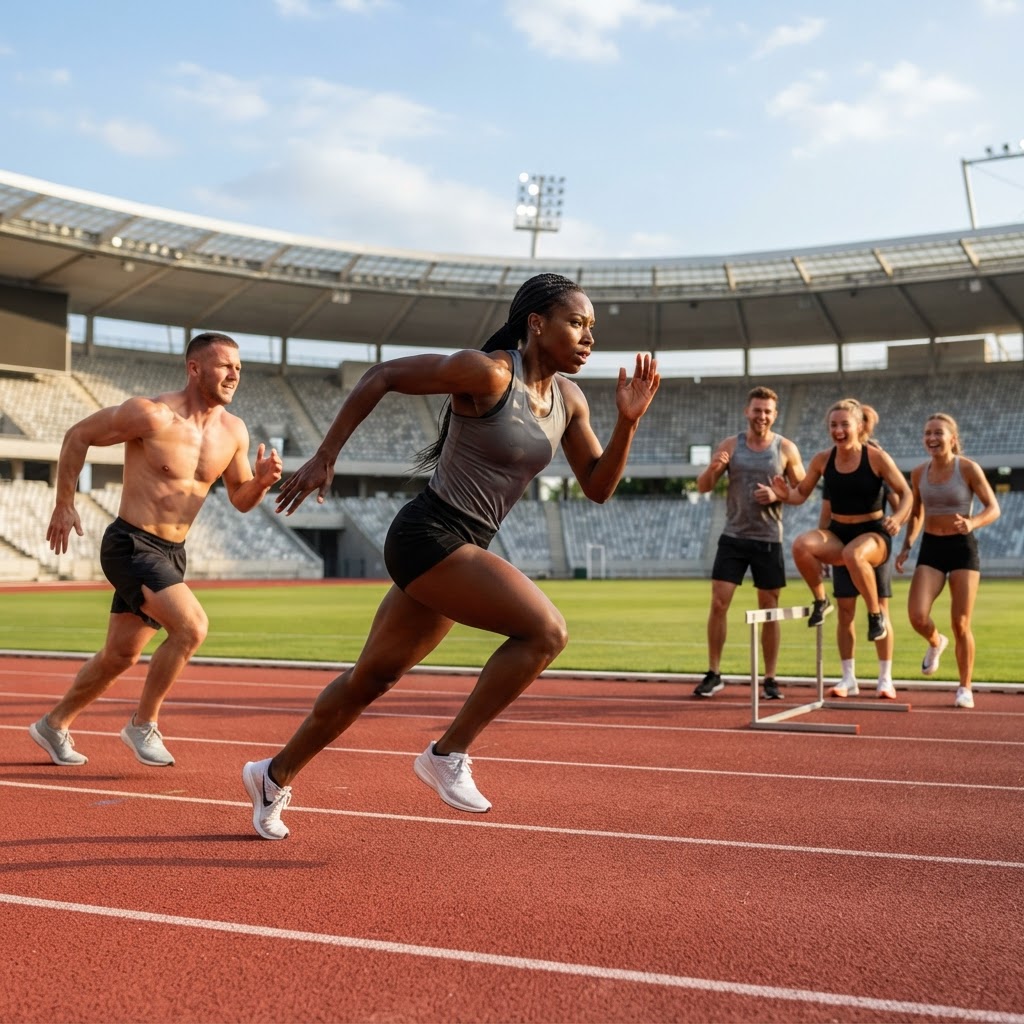
Brisbane’s grassroots sporting community is proving resilient, with local athletics programs acting as essential hubs for youth development and social cohesion. While national headlines are dominated by the threat of A-League strike action and the high-stakes drama of the 2026 World Cup, the city’s athletic clubs continue to function as the bedrock for hundreds of local participants. By focusing on fundamental physical skills and consistent community engagement, these organisations are maintaining stable participation levels despite the volatility currently affecting high-profile professional codes.
The Stability of Community-Led Programs
The strength of these clubs lies in their ability to offer a reliable, low-barrier environment for families. Unlike the professional sector, where the post-World Cup commercial glow is already fading under the weight of looming collective bargaining negotiations, local clubs are prioritising long-term retention over immediate commercial gain. This commitment to structure provides a predictable routine for young athletes, helping them build interpersonal connections within their own neighbourhoods. The focus remains on sustainable development rather than the often-fragile nature of elite, media-saturated sports franchises.
Aligning Local Growth with Industrial Evolution
The growth of these community groups is occurring alongside a significant shift in Brisbane’s industrial and economic profile. As the city integrates new infrastructure, such as the low-carbon steel mill established in June 2026, the local population is seeing a transition toward long-term urban planning. This industrial evolution supports a sense of permanence that benefits local clubs; families are more likely to invest time and resources into local sports programmes when they see clear signs of sustained regional development. The alignment of these economic markers suggests that community sport is becoming a primary vehicle for integrating new residents into the social fabric of the city.
Looking toward the next season, the primary objective for these clubs is to continue scaling their volunteer-led operations without compromising the quality of the individual experience. By maintaining their independence from the pressures of professional sports broadcasting and contract disputes, athletics clubs in Brisbane are positioned to remain a vital outlet for local youth. Observers expect that as long as these clubs continue to emphasise accessible, community-based programming, they will remain the most stable component of the regional sporting landscape throughout the remainder of 2026.