sport
Getting in the Game: A Parent’s Guide to Starting High School Athletics in Brisbane
From club pathways to school trials, here’s how Brisbane families can navigate the system and get kids involved in sport.
How we reported this
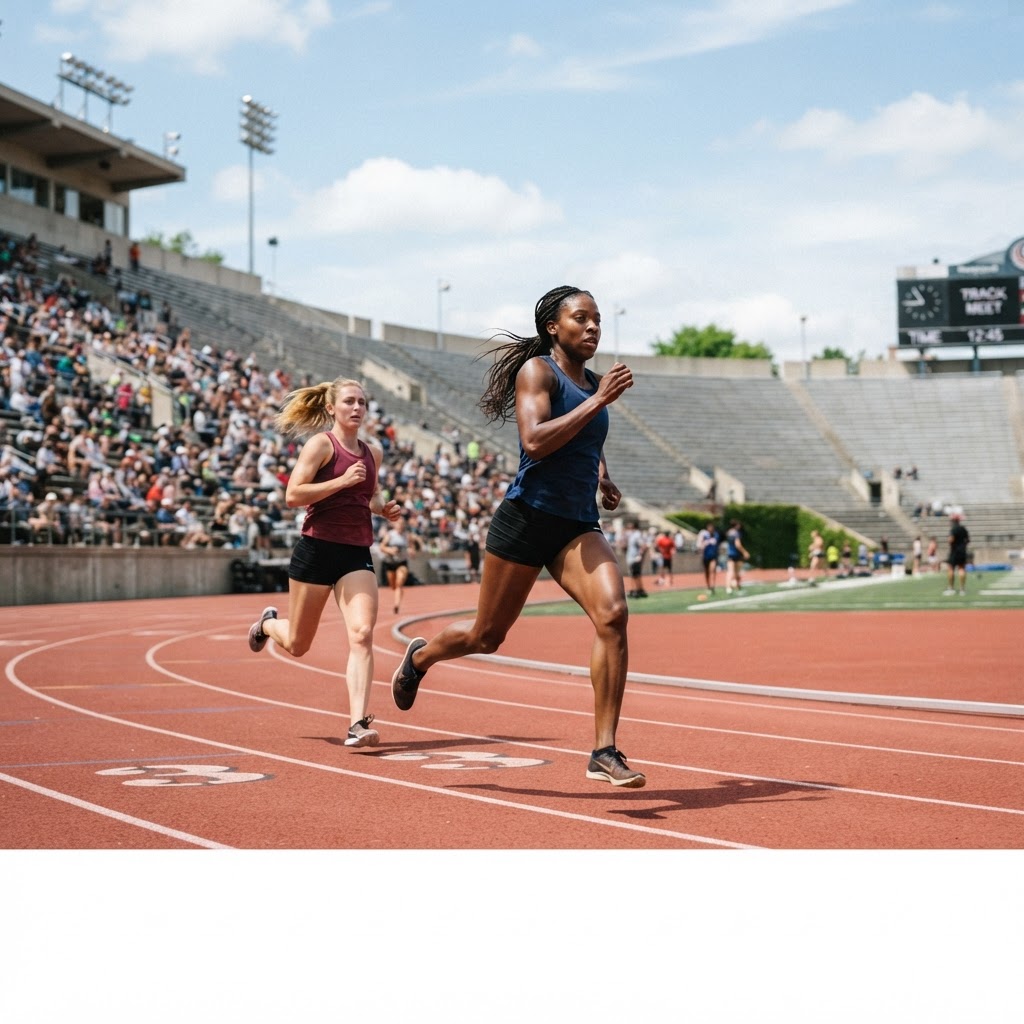
Brisbane parents looking to get their children into high school athletics this year face a system that is more accessible than it might first appear. While the bulk of organised sport still runs through school programs and local clubs, pathways have broadened in recent years to include community-based initiatives and city-wide talent identification programs.
Where to start
Most state and independent high schools in Brisbane hold annual athletics trials in Term 1. These trials feed into district carnivals run by associations such as Metropolitan North and Metropolitan West, which then progress to the Queensland All Schools Championships. Parents should contact their school’s sports coordinator, usually listed on the school website, and ask for the term calendar.
For students who miss the school trial window, many schools allow late nominations through the physical education department. Some schools in the greater Brisbane area, including those in the Metropolitan East zone, run a second round of trials in Term 2 for students who transfer or arrive mid-year.
Club pathways and community programs
Outside school gates, Little Athletics Queensland operates centres from Ferny Hills to Eagleby. The season runs from September to March, and athletes aged 8 to 17 can compete in track and field events. Registration typically opens in August. Most centres accept walk-ins at the first meet of the season. Costs vary, but many centres charge a flat fee of around $150 for the season, covering uniform and insurance.
For those who want to try before committing, Athletics Australia’s “Run Jump Throw” program is delivered at venues such as the Queensland Sport and Athletics Centre at Nathan and the UQ Sport Athletics Centre at St Lucia. These free sessions run on Saturday mornings during school term and require no prior experience.
What to expect at first meet
A new athlete’s first competition usually involves a single event, often a 100-metre sprint or a standing long jump, with a parent or guardian required to sign a waiver. Most clubs offer a mentoring system where veteran parents walk new families through the process. At the smaller centres, officials are volunteers, and patience is expected. The atmosphere is generally informal, with an emphasis on participation over times or distances.
Equipment and costs
Starting gear does not have to be expensive. A pair of running shoes suitable for grass and track surfaces can be found for under $100 at retailers like Rebel Sport and Athletes Foot. Club singlets and shorts are usually supplied by the centre upon registration. Spikes are not necessary for the first season; many young athletes compete in standard running shoes until they qualify for regional championships.
Next steps for competitive athletes
Students who post competitive times or distances at school carnivals will be invited to district selection trials. From there, athletes can be selected for the Queensland team at the Pacific School Games or the Australian All Schools Championships. While these pathways exist, the vast majority of participants, over 70 percent across the state, never progress beyond the district level and still report high satisfaction, according to surveys conducted by Athletics Queensland.
For Brisbane families, the message from local administrators is consistent: start with the school, talk to the coach, and turn up to a club meet. The hardest part is the first session.