sport
Brisbane’s college sports participation surges, reshaping local fitness culture
New data shows a sharp uptick in students signing up for intramural and club sports, signalling a broader shift toward community-based fitness in the city.
How we reported this
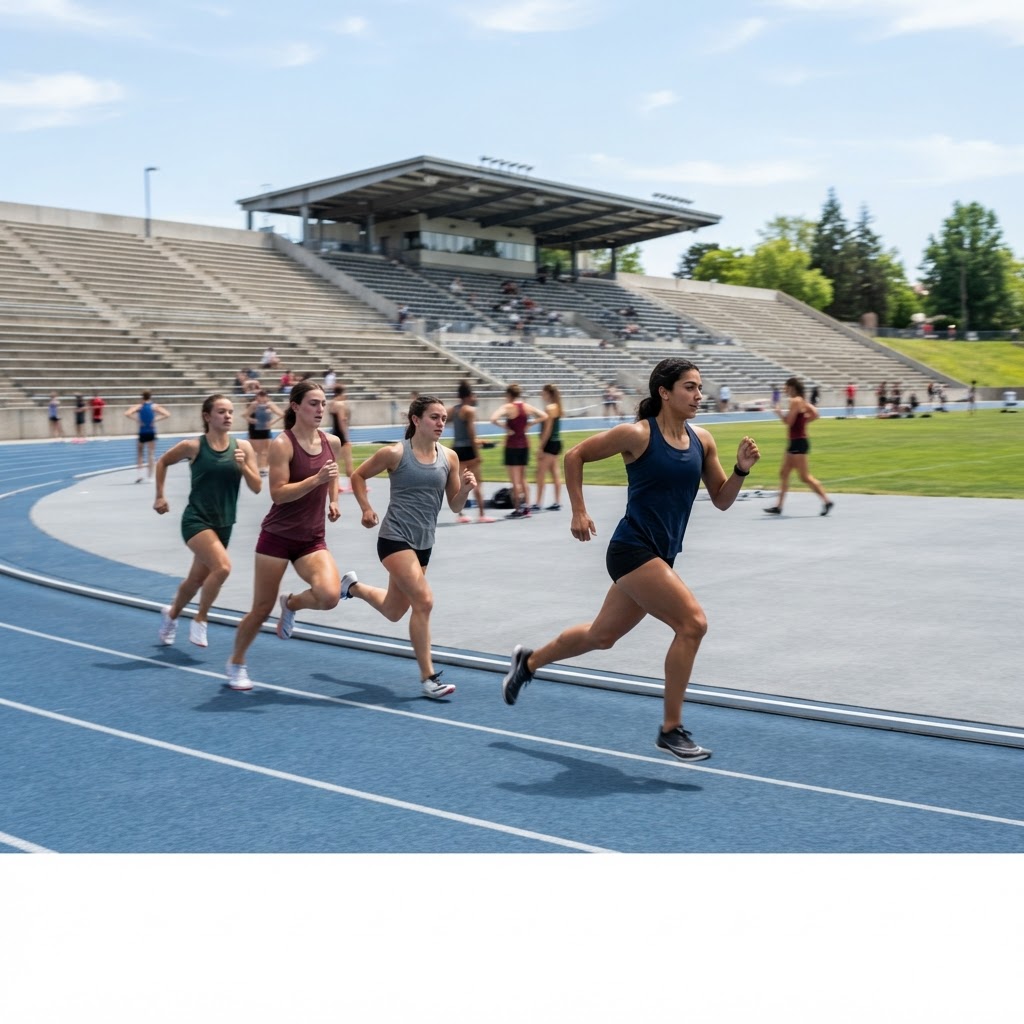
More Brisbane college students are swapping gym memberships for team jerseys, according to the latest participation data from University Sport Australia. The organisation’s 2025 annual report, released last month, recorded a 12 percent rise in registered participants across Queensland university sport programs compared to the previous year, with the University of Queensland and Queensland University of Technology posting the largest gains.
The figures come as Brisbane cements its reputation as Australia’s fastest-growing major city, with a population pushing past 2.7 million. For local sport administrators, the jump in college-age involvement offers a fresh lens on the city’s fitness culture, one that prioritises social connection over solo workouts. “We’re seeing a real appetite for structured, team-based activity among 18-to-25-year-olds,” said a University Sport Australia spokesperson in a briefing to member institutions last week. “It’s not just about staying fit anymore; it’s about belonging.”
From gym floor to playing field
At UQ’s St Lucia campus, intramural soccer and touch football leagues now fill every available field on weekday afternoons. QUT’s Gardens Point precinct has seen a similar crush, with basketball and netball registrations up by nearly a fifth. The trend is reflected in a recent survey of 1,200 Brisbane students conducted by the Queensland Department of Sport and Recreation, which found that 64 percent of respondents cited “making friends” as their primary reason for playing college sport, ahead of fitness or competition.
The shift has not gone unnoticed by local councils. Brisbane City Council’s Active Parks program, which subsidises field hire for university clubs, reported a 30 percent increase in bookings from tertiary groups between 2024 and 2025. The program, launched in 2019, now supports more than 80 regular sessions across parks in suburbs including Indooroopilly, Kelvin Grove and Woolloongabba. “It’s a low-cost way for students to stay active without needing a gym membership,” a council spokesperson told The Daily Brisbane.
What the numbers mean for the future
The participation data also reveals a narrowing gender gap. Female registrations in college sport climbed 15 percent year-on-year, driven largely by growth in women’s rugby sevens and AFL 9s. At Griffith University’s Nathan campus, the women’s football club doubled its roster from 18 to 36 players in 2025 alone. “We’ve had to add a second training night just to accommodate everyone,” said a club volunteer coordinator in a university newsletter.
For sport scientists, the trend points to a broader cultural recalibration. “Brisbane has long been a city of weekend warriors, but the college data suggests that the next generation values regular, low-barrier participation over elite performance,” said a senior lecturer in sport management at UQ, speaking at a Queensland Sport and Recreation forum in May. The lecturer, who has tracked participation trends since 2020, noted that college sport now acts as a bridge between high-school physical education and adult recreational leagues, a pipeline the city’s community clubs are eager to tap.
What comes next depends on infrastructure. The state government’s $100 million Stadiums Queensland plan, announced in March, includes upgrades to university sporting facilities at UQ and QUT, with completion slated for 2028. In the meantime, students are encouraged to check their campus sport portals for autumn-season sign-ups, which open August 1. For a city building its identity as a host of major events, the 2032 Olympics looms, the fitness habits of its youngest adults may be the truest measure of its health.