sport
Grassroots Foundations: Building Brisbane’s Sporting Community
Across the city, local clubs act as essential hubs for development, training, and state-level competition.
How we reported this
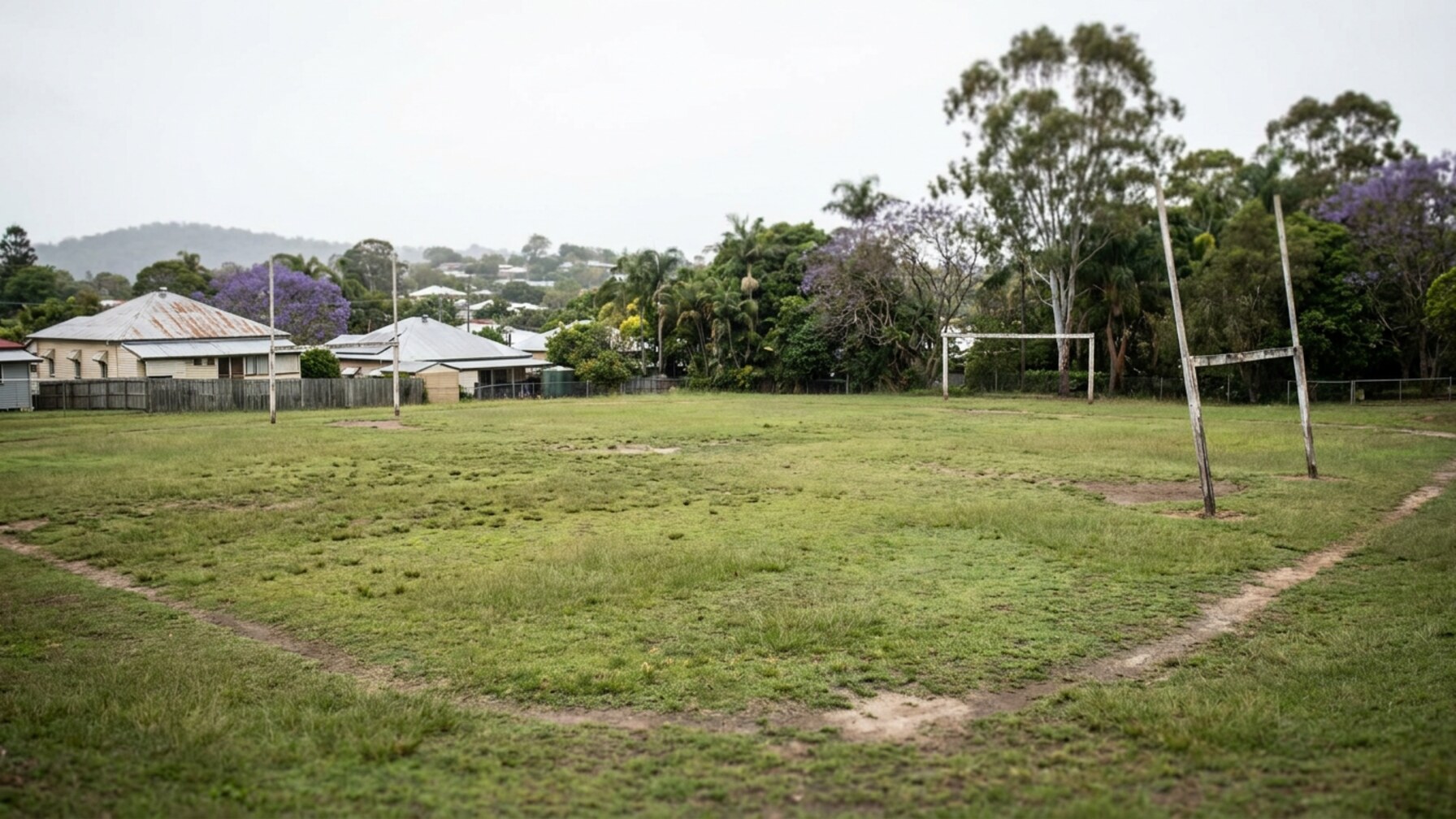
Sporting culture in Brisbane relies heavily on the structure provided by amateur leagues and district bodies. These organisations create pathways for young athletes while fostering community ties, as seen in the wide participation across various athletic and team sports throughout the calendar year.
The District Structure of Amateur Athletics
In Brisbane, school athletics participation is managed through district-level bodies, such as Metropolitan North School Sport. This system is designed to coordinate activity among a large network of institutions, which includes 148 schools. This framework is essential for managing the scale of student involvement, with district bodies coordinating the flow of talent to larger competitions, including those that send dozens of teams to state championships annually.
These structures ensure that athletes, typically in the 12 to 19 age bracket, have consistent opportunities to compete. Standard events, such as the school athletics carnivals held at major local venues like QSAC, serve as the baseline for this system. Furthermore, representative trials for students are scheduled during specific periods throughout the year, such as Semester 1 and Term 3, following the current district structure, including the Mt Gravatt District.
Club Pathways and Regional Competition
Beyond school-based competition, local clubs play a significant role in high-level sporting pathways. The Queensland NPL serves as a primary example of how clubs like Brisbane Olympic FC and the Brisbane Roar FC Under 21 team prepare players for senior and national-level opportunities. These clubs manage rigorous schedules that include matches against other established regional teams, such as the Queensland Lions FC and Moreton City Excelsior.
This ecosystem is not limited to football. Across Queensland, young athletes are currently preparing for major events, including the State Cross Country Championships held in Toowoomba. This event highlights the connection between local training and regional achievement, featuring more than 1200 participants from across the state. Similarly, the basketball sector has recently seen a focus on talent identification, with recent national championships identifying 30 breakout stars in the U16 category.
For participants and families, the best way to track upcoming fixtures or state-level championship progress is through the official channels of the respective sporting codes. Local clubs maintain their schedules through platforms such as the Brisbane Roar official news site, which provides updated match times and venue information for the ongoing Queensland NPL season, while school sport updates are generally managed through district-level athletic portals.