Technology
Brisbane's cybersecurity scene goes global: Why this city's approach is different
With a focus on industrial control systems and critical infrastructure, Brisbane's tech ecosystem is carving a distinctive niche in global cybersecurity.
How we reported this
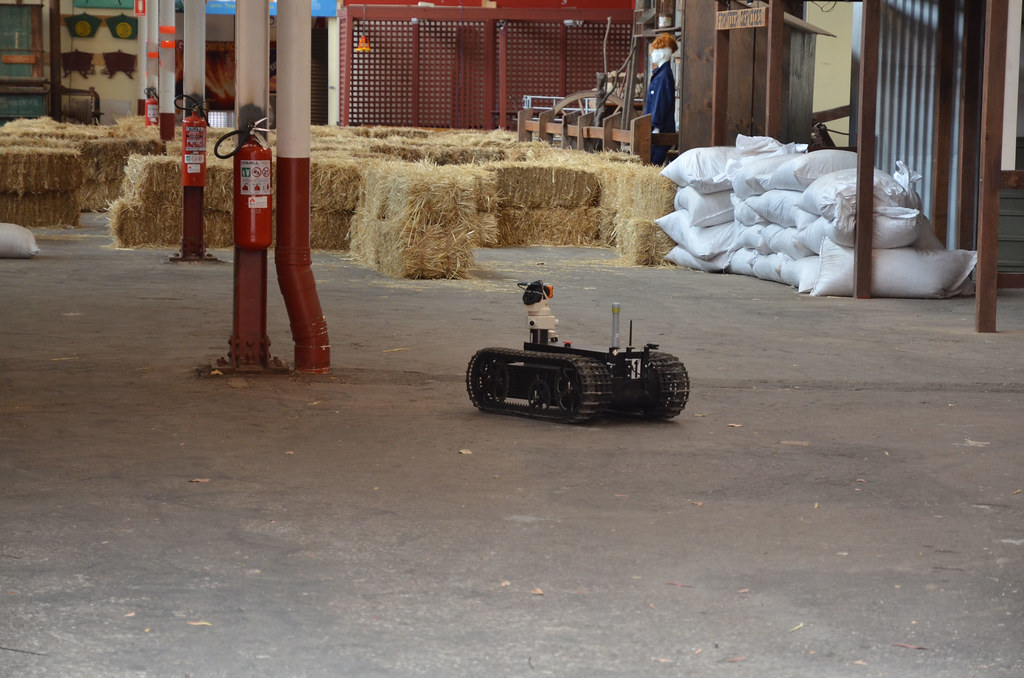
Brisbane is quietly building a reputation as a global hub for cybersecurity, but not in the way most people expect. While Sydney and Melbourne chase consumer-facing startups, this city’s tech ecosystem is doubling down on what it knows best: protecting the physical systems that keep a modern economy running, water treatment plants, power grids, transport networks and ports.
A niche born from necessity
The city’s distinctive approach stems from its role as a gateway for resources and agriculture. That puts operational technology, the computers controlling pumps, conveyor belts and container cranes, at the centre of its economy. Queensland’s sheer geography means many of these assets are remote or automated, creating attack surfaces that aren’t as common in smaller, denser markets.
This week alone, investors and founders are talking about the ultimatum facing the robotaxi industry, a reminder that even the most advanced autonomous systems remain vulnerable to cyber threats. In Brisbane, that conversation hits closer to home, with autonomous vehicles and drones already being tested on local roads and airspace.
The attention on cybersecurity here isn’t just about protecting data. It’s about protecting the very infrastructure that keeps the city liveable during its notorious summer heat waves. When temperatures soar into the 40s, a ransomware attack on a power station or a water treatment plant isn’t an abstract risk, it’s a direct threat to life.
Homegrown talent and hardware-free solutions
Local universities have responded by spinning out specialised research groups that focus on industrial control system security, a field where Queensland punches above its weight internationally. Unlike the Silicon Valley playbook of building smart glasses with cameras or chasing the next consumer gadget, Brisbane’s cybersecurity startups are betting on productivity tools that don’t require invasive hardware. One prominent example is Even Realities, a startup that makes smart glasses without a camera, prioritising productivity and privacy over constant recording. Their bet: that enterprise customers in sectors like mining and logistics will pay for heads-up displays that won’t compromise operational security.
That kind of thinking is what makes Brisbane’s scene distinctive. It’s not trying to be the next San Francisco. It’s aiming to be the go-to city for cybersecurity solutions that are practical, infrastructure-focused, and built for environments where failure isn’t an option.
For local businesses, the message is straightforward: invest in cyber hygiene now, or face a reckoning. The city’s distinctive global position means its biggest asset, the physical systems that underpin its economy, is also its biggest vulnerability. Protecting it isn’t just a tech strategy. It’s a survival strategy.