tech
Brisbane Smart City Rollout Brings Data Privacy Concerns Alongside Efficiency Gains
Sensor networks and AI traffic tools deliver measurable improvements yet surface questions over surveillance and equitable access.
How we reported this
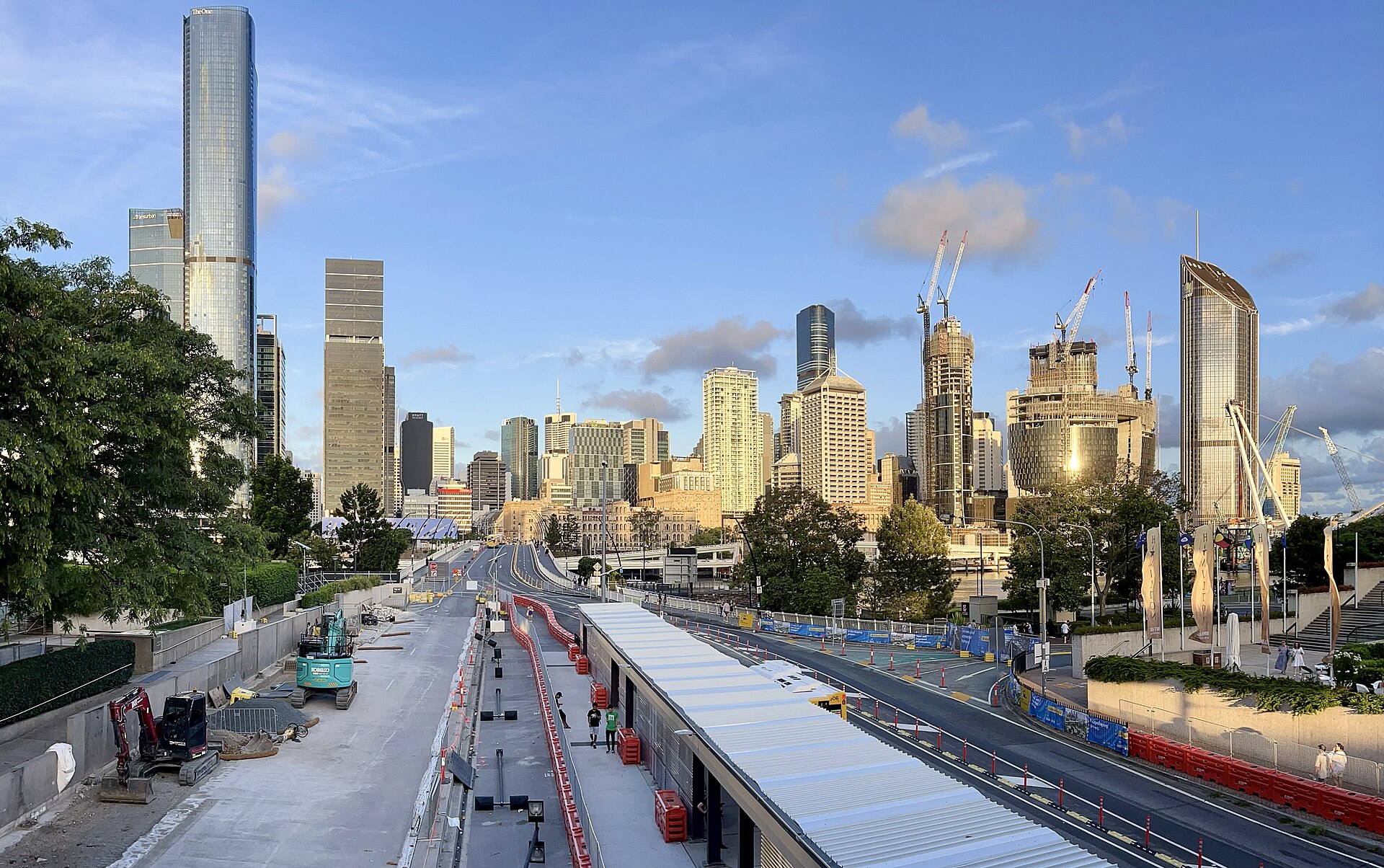
Brisbane has installed 20 smart poles equipped with 4G/5G connectivity, environmental sensors, pedestrian counters, smart LED lighting and public Wi-Fi in the CBD plus Bracken Ridge and Sandgate. These units gather real-time data on city operations while the council prepares a separate $15 million AI-powered traffic signal trial called Smarter Suburban Corridors that starts mid-2026.
The timing aligns with preparations for the 2032 Olympic and Paralympic Games. Queensland infrastructure plans emphasise low-carbon and climate-resilient upgrades, and digital literacy programs have already trained more than 3,000 students in coding. The scale of technology now in place makes earlier pilot projects look modest by comparison.
Traffic monitoring at scale
Brisbane became the first Australian city to place Bluetooth readers at 900 intersections. The system feeds live traffic data to dynamic message boards and supports faster emergency vehicle routing. A separate CCTV network using AWS Rekognition AI has prevented more than 300 incidents each year at 90 percent facial recognition accuracy. The Smart Water Grid, which relies on Oracle AI, has cut leaks by 15 percent for 2.5 million users.
These deployments sit inside a broader push to replace older signal hardware with adaptive controls across key suburban corridors. The Smarter Suburban Corridors trial will test real-time adjustments at multiple intersections once it begins in mid-2026.
Questions over data use and oversight
Collection of pedestrian counts, Wi-Fi logs and facial images raises practical issues about storage, retention and secondary use. Residents may not know how long footage or sensor readings remain accessible to council staff or third-party contractors. Facial recognition at the stated 90 percent accuracy level still leaves room for misidentification, particularly across diverse populations.
Environmental sensors on the smart poles add another layer of continuous monitoring in public spaces. Without published limits on data sharing or independent audits, the same infrastructure that reduces congestion and water loss could also enable routine tracking of individual movements. Equity concerns surface when coverage concentrates in the CBD and selected northern suburbs while other neighbourhoods wait for equivalent investment.
Council documents list the Bluetooth network, smart poles and water-grid AI as operational components of the existing smart-city program. No new oversight body or public data-trust framework has been announced alongside the mid-2026 traffic trial. Project updates will appear through standard council channels as the Smarter Suburban Corridors work moves forward.