community
Community events calendar
Brisbane residents continue to rely on regular listings to track gatherings that bring neighbourhoods together.
How we reported this
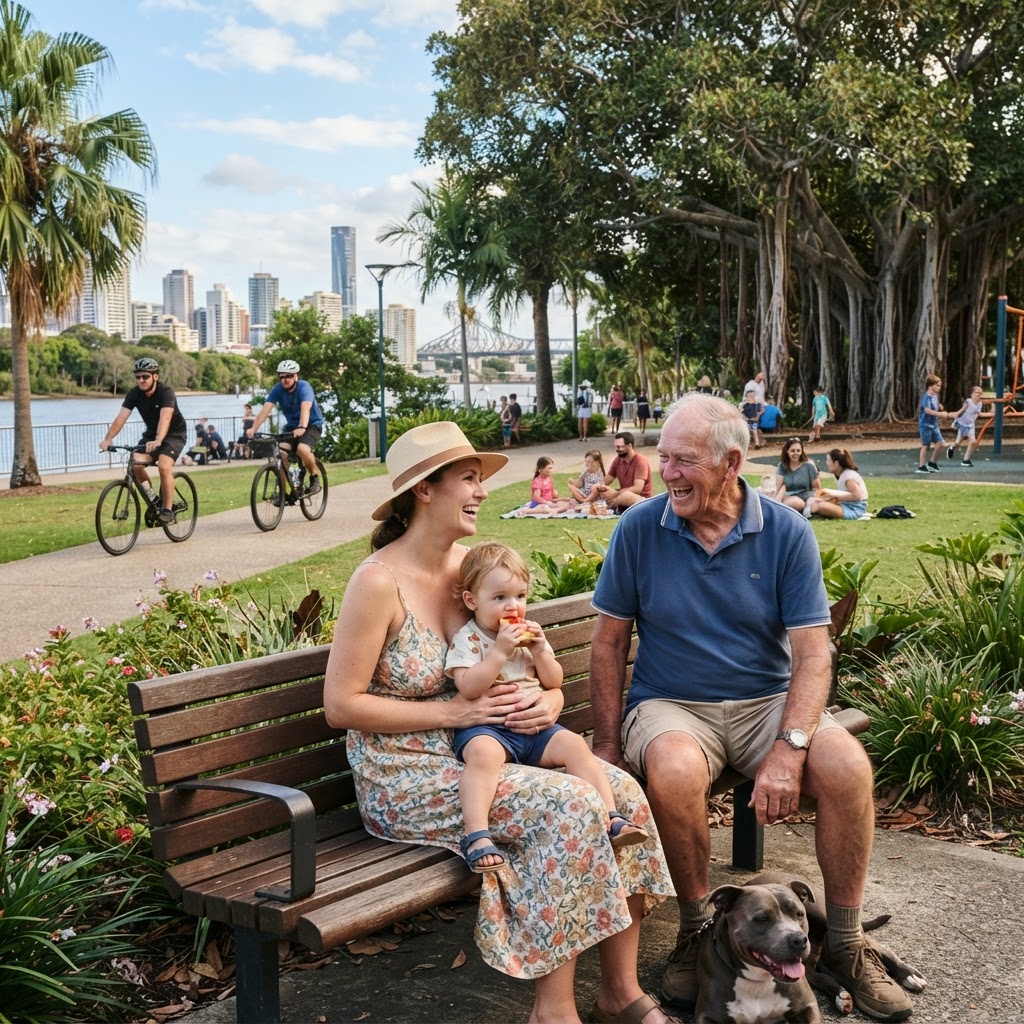
Brisbane residents scan community listings each week to locate activities that fit their schedules and interests. Listings appear across local government sites, neighbourhood centres and printed noticeboards in libraries and cafes. These calendars cover markets, talks, exercise groups and small festivals without requiring advance bookings in many cases.
Community calendars matter now because residents seek low-cost ways to meet others amid rising living expenses and changing work patterns. Listings help people identify events close to home rather than travelling across the city. They also allow groups to publicise activities that might otherwise reach only a narrow circle of participants.
Where listings appear
Information surfaces through council websites, community radio announcements and flyers posted at train stations. Some neighbourhood houses compile weekly emails while others maintain physical boards updated by volunteers. Residents report checking multiple sources because no single platform captures every small gathering organised by churches, sports clubs or resident associations.
Qualitative patterns show that calendars fill faster in inner areas where foot traffic supports regular noticeboard use. Outer suburbs rely more on digital posts shared through local Facebook groups. The variety means people can choose between structured programs run by established organisations and informal meet-ups started by individuals.
How to use them
Readers benefit from setting a weekly reminder to review new entries rather than waiting for larger advertised festivals. Checking listings on the same day each week reduces the chance of missing recurring activities such as morning walks or craft sessions. Contact details listed alongside events let people confirm details directly with organisers before attending.
Practical steps include bookmarking the main council page and subscribing to one neighbourhood email list. Those steps keep the information flow steady without requiring constant searching. Over time the habit builds familiarity with which groups run events that match personal preferences.