wellness
Shift Workers and Irregular Sleep: Practical Strategies for Getting Real Rest
From nurses finishing night shifts at the PA Hospital to early-morning freight handlers at the Port of Brisbane, a growing cohort of Queenslanders is trying to reclaim sleep, and science is starting to catch up with them.
How we reported this
About 1.6 million Australians work non-standard hours, according to data published by the Australian Bureau of Statistics, and a disproportionate share of them live and work in South-East Queensland. Shift work, spanning healthcare, logistics, hospitality, and emergency services, is woven into Brisbane's economy. The sleep debt that comes with it is just as structural.
Sleep specialists have long flagged irregular schedules as a driver of metabolic disruption, elevated cardiovascular risk, and mood disorders. What's changed recently is the level of practical, workplace-ready guidance available to workers who can't simply go to bed at 10pm and call it sorted.
Why Brisbane's Shift Workers Face a Particular Challenge
Brisbane's subtropical climate complicates things in ways that cooler cities don't. Daytime temperatures in July still sit comfortably in the low 20s Celsius, meaning a nurse finishing a night shift at the Princess Alexandra Hospital in Woolloongabba and heading home through Highgate Hill at 7:30am is walking into full morning light, the most powerful suppressor of melatonin the body knows. That light exposure after an overnight shift tells the brain it's time to wake up, at exactly the moment the worker needs to wind down.
The Queensland Ambulance Service, which operates around the clock from stations including its Kedron and Woolloongabba depots, has for several years included sleep hygiene modules in its paramedic wellness programs. The specifics of those internal programs aren't public, but peer-reviewed literature on emergency services wellness consistently identifies light management and sleep scheduling as the two interventions with the strongest evidence base.
Sleep Health Foundation, an Australian not-for-profit based in New South Wales, recommends shift workers use blackout curtains, set a consistent post-shift sleep window even on days off, and limit caffeine to the first half of any shift. The organisation publishes free, downloadable shift-work sleep guides on its website, a resource that costs nothing and takes about 20 minutes to read.
Local Options and What Actually Works
For Brisbane workers willing to spend a little, options are expanding. The Wesley Hospital in Auchenflower runs a sleep disorders clinic, and GP referrals to accredited sleep physicians, bulk-billed under Medicare for eligible patients, have increased steadily over the past three years, according to general wellness reporting from Queensland Health. A formal sleep study, or polysomnography, typically runs between $300 and $600 out of pocket if not fully covered, though costs vary by provider and individual Medicare circumstances.
For those wanting free or low-cost strategies first, the evidence points toward three consistent habits. First, walk in the dark, or at least avoid bright screens, in the final 90 minutes before sleep, regardless of what time that sleep begins. Second, anchor one consistent meal time per day to help regulate circadian rhythms through what researchers call the food-entrainable clock. Third, treat weekend sleep schedules with the same rigour as weekday ones; social jetlag, the gap between work-schedule sleep and social-life sleep, is one of the most-studied contributors to chronic tiredness in shift workers.
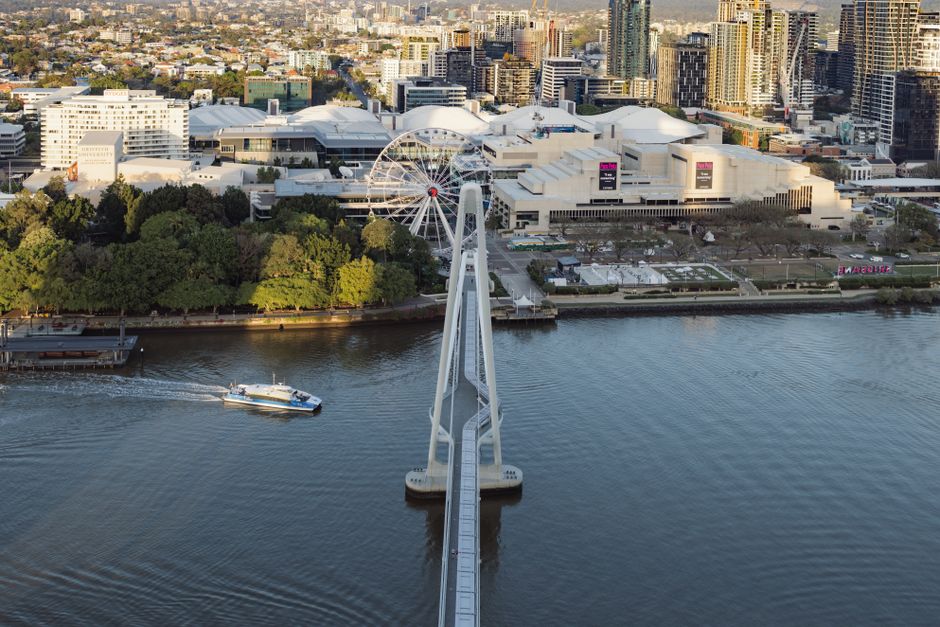
Brisbane's riverside parklands offer a practical advantage here. A slow 30-minute walk along the South Bank Parklands boardwalk after waking, at whatever hour that is, gives the body a dose of natural, lower-angle light that helps reset the circadian clock without triggering the same alertness spike as direct early-morning sun. New Farm Park, about four kilometres north along the river, serves the same purpose and has the added benefit of being virtually empty at 2pm on a Wednesday, which is prime recovery time for many night-shift workers.
Consult a GP or sleep physician before making significant changes to sleep medication, including over-the-counter melatonin supplements, which became available without prescription in Australia in 2021. Dosing and timing matter considerably, and what helps one shift pattern may disrupt another. The Sleep Health Foundation's website and the Queensland Health Sleep page both list accredited clinicians by region. Getting started is less complicated than most shift workers assume, the hard part is protecting the schedule once you have one.