wellness
Gut Health 101: Fermented Foods You Can Find Locally
From kimchi at the Jan Powers Farmers Market to kombucha brewed in Fortitude Valley, Brisbane's fermented food scene is giving residents a practical entry point into gut health.
How we reported this
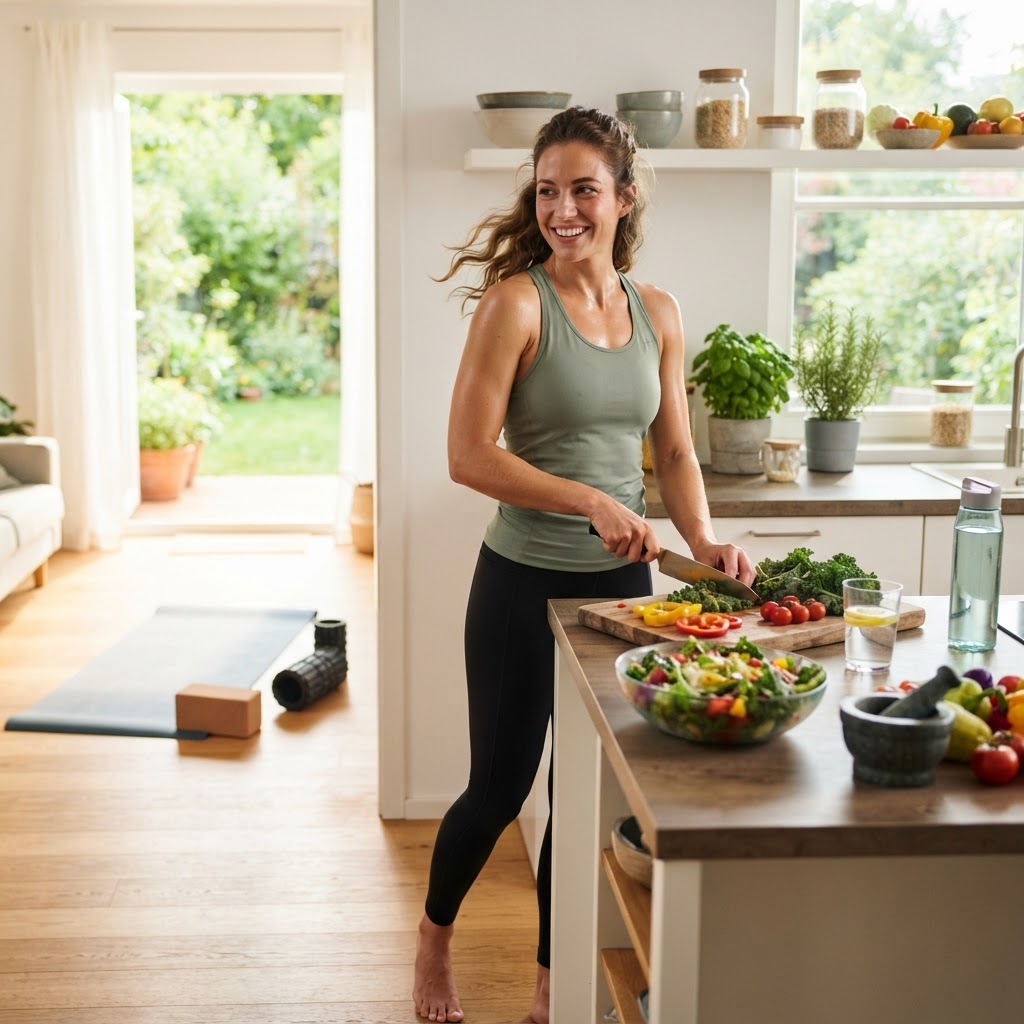
Interest in gut health has moved well beyond wellness circles. Walk through the Jan Powers Farmers Market at Powerhouse on a Saturday morning in New Farm and you'll find at least half a dozen stalls selling fermented products, kombucha, kefir, miso paste, live-culture yoghurt, sauerkraut, kimchi, where five years ago there might have been one. The shift reflects a broader change in how Queenslanders are thinking about what they eat and why.
The timing makes sense. With hormone health, sleep quality and mood regulation all dominating public conversation in mid-2026, gut microbiome research is increasingly cited by dietitians as the connective tissue between them. The gut-brain axis, the biochemical signalling between gastrointestinal tract and central nervous system, has generated substantial peer-reviewed literature over the past decade, and the practical upshot for everyday eaters is straightforward: diverse, fermented foods appear to support a healthier microbial community in the digestive system. Consult a GP or accredited practising dietitian before making significant dietary changes, particularly if you have an existing gut condition.
Where to Source It in Brisbane
The Jan Powers Farmers Market, held every Saturday at Brisbane Powerhouse on Lamington Street, New Farm, is the most accessible starting point. Stallholders there regularly stock traditionally fermented products, meaning live cultures, not heat-pasteurised versions that have had beneficial bacteria destroyed. The distinction matters. A jar of sauerkraut made with just cabbage and salt, fermented over several weeks, is a different product from the vinegar-brined version on a supermarket shelf. Check labels or ask the producer directly.
South Bank has its own options. The collective of grocers and specialty food retailers along Grey Street and within the South Bank Parklands precinct includes shops stocking Japanese miso, Korean doenjang and a rotating selection of locally made kombucha. The Buranda Village area, a short drive south along the Pacific Motorway corridor, houses a well-stocked Korean grocery that carries authentic gochujang and whole-head kimchi, both fermented, both shelf-staple friendly for beginners. Fortitude Valley's Chinatown Mall on Duncan Street remains one of the most reliable spots in inner Brisbane for fermented black bean paste, preserved tofu and douchi, all of which integrate easily into weeknight cooking.
For those who want to go further, the Brisbane Fermentation Circle, a community group that runs periodic workshops, has held events at venues in West End and Paddington. Their sessions typically cost between $45 and $65 per person and cover sourdough starter maintenance, water kefir, and basic lacto-fermented vegetables. Details are usually posted through Eventbrite and local community Facebook groups.
What the Evidence Actually Shows
A 2021 study published in the journal Cell by researchers at Stanford University found that a high-fermented-food diet increased microbiome diversity and decreased markers of inflammation in participants over a ten-week period. The study involved 36 adults and is frequently cited in clinical nutrition discussions, though researchers noted the findings require replication at larger scale. That caveat is worth holding onto: gut health science is genuinely promising but also genuinely incomplete.
For practical purposes, dietitians generally suggest starting small. A 150-gram serve of plain live-culture yoghurt daily, available from Queensland-based producers such as Maleny Dairy, whose products appear in most Woolworths and Coles stores across greater Brisbane, is a low-barrier entry. A 250ml bottle of commercial kombucha from a Queensland brewer typically retails between $5 and $7 at independent grocers in the Valley and West End. Home fermentation of sauerkraut costs less than $3 in ingredients per large jar.
The practical advice from local dietitians, consistently, is variety over volume. Rotating between different fermented foods, yoghurt one day, a spoonful of miso stirred into soup the next, a small side of kimchi with dinner, exposes the gut to a broader range of bacterial strains than eating large quantities of a single product. The Brisbane Powerhouse market on Saturday mornings is as good a place as any to start that rotation. Arrive before 10am. The best stalls sell out.