wellness
Temperature, Light and Noise Shape Sleep Quality for Brisbane Residents
Brisbane's winter conditions test how residents manage heat, street lighting and urban sounds to protect nightly rest.
How we reported this
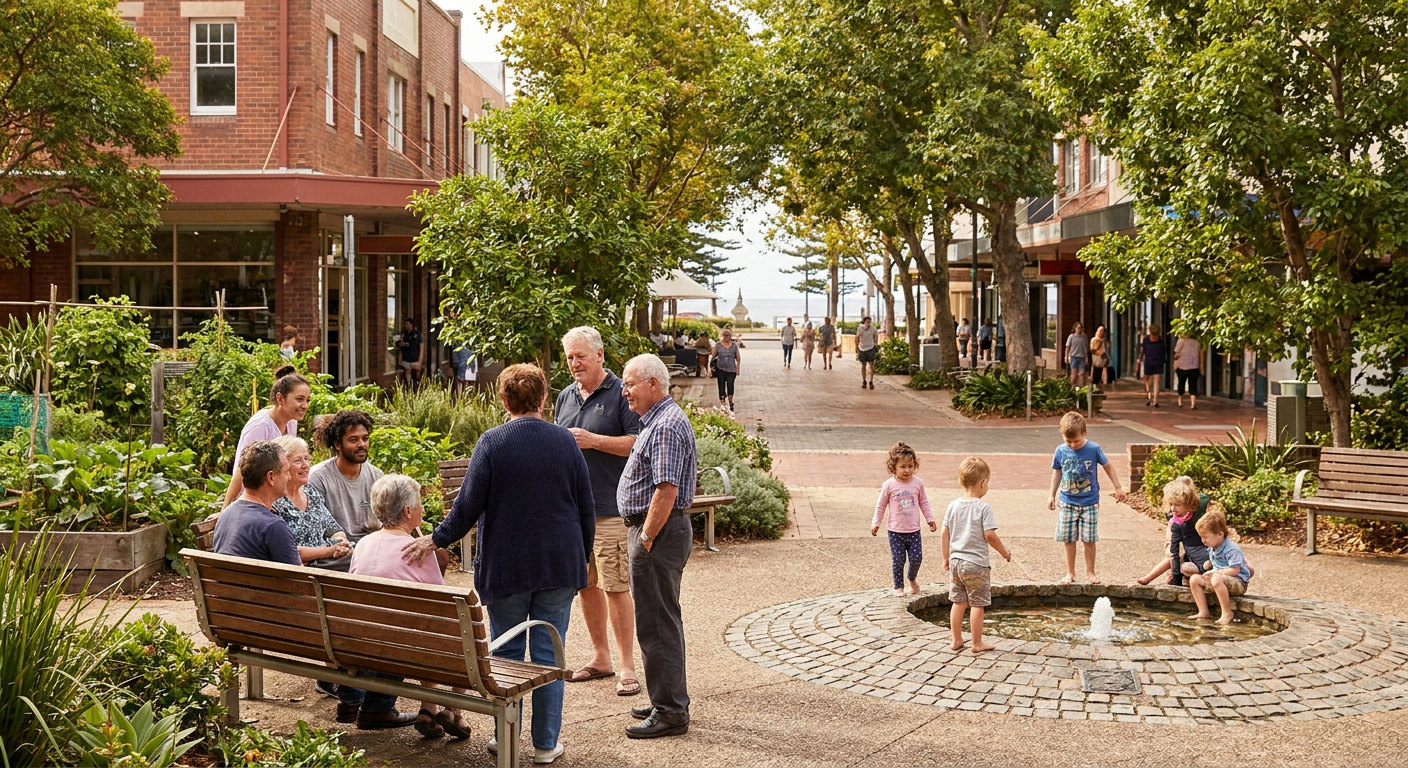
Brisbane residents report shorter sleep durations this winter as overnight temperatures hover between 8 and 12 degrees Celsius while streetlights and passing traffic continue into the early hours.
July marks the coldest month locally, when many homes switch from daytime air conditioning to evening heating that can raise indoor readings above the 18-degree range recommended for deep sleep. Poor temperature control, excess light from outdoor sources and constant noise combine to fragment rest cycles for people living near major roads and riverfront developments. The pattern shows up in higher demand for sleep-related products at local pharmacies and increased queries to community health lines.
Local conditions in South Bank and New Farm
Along the Brisbane River parklands at South Bank, residents near the Cultural Centre and Grey Street deal with both reflected light from the river and late-night event noise from nearby venues. Further upstream in New Farm Park, walkers on the popular 3-kilometre riverside loop note that park lighting stays on until 11 pm, affecting homes on Oxlade Drive and Sydney Street. Brisbane City Council’s 2025 lighting audit listed these two precincts among the top five areas for resident complaints about sleep disruption. The council’s ParkConnect program, launched in March 2026, now offers free dusk-to-dawn dimming trials at selected South Bank paths to test reductions in light spill.
Year-round outdoor fitness culture at these sites means many locals finish evening runs after 8 pm, then return to bedrooms that retain daytime warmth and pick up street sounds through single-glazed windows common in pre-2000 buildings.
Evidence on temperature, light and noise effects
A 2025 Queensland Health survey of 2,400 Brisbane adults found that 37 percent rated their sleep as fair or poor when bedroom temperatures exceeded 20 degrees or dropped below 14 degrees. The same study recorded an average 42-minute reduction in total sleep time on nights when noise levels from traffic stayed above 45 decibels after midnight. Light exposure data from the University of Queensland’s Sleep Research Centre showed that residents within 300 metres of continuously lit park paths took 19 minutes longer to reach deep sleep stages compared with those in darker streets.
Blackout curtain packages priced at $85 per window at Bunnings stores on Ipswich Road have sold steadily since May. Ear-plug purchases at New Farm pharmacies rose 28 percent year-on-year according to Chemist Warehouse sales figures released last week.
Simple steps such as setting bedroom thermostats to 16-18 degrees, installing heavier curtains on windows facing South Bank or New Farm Park paths, and using white-noise machines set below 40 decibels can improve sleep continuity. Residents should consult a local GP or sleep clinic for personalised assessment rather than relying on general adjustments.