Community
Koalas in Southeast Queensland: A Conservation Story for the City
The urban koala population is a test case for whether Australia's cities can coexist with native wildlife.
Community
The urban koala population is a test case for whether Australia's cities can coexist with native wildlife.
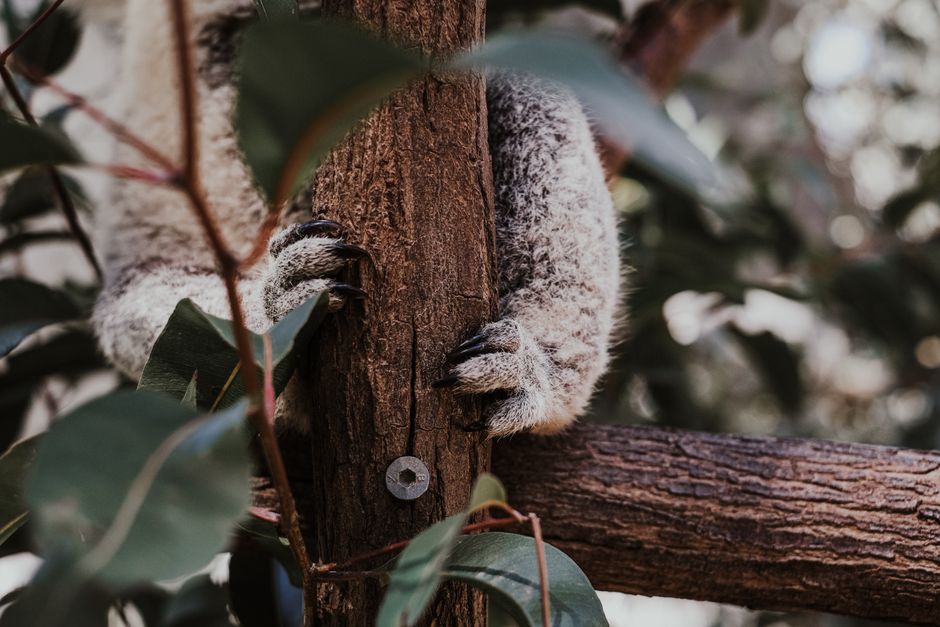
Southeast Queensland is home to one of Australia's most significant urban koala populations, with the animals persisting in the bush corridors, residential backyards, and natural areas that remain within the expanding metropolitan footprint of Brisbane and the surrounding local government areas. The koala population's survival in an urbanising landscape represents both a conservation success and an ongoing challenge, as the pressures of habitat loss, dog attacks, road kills, and the chlamydia disease that affects the population in the region create the attrition that the remaining habitat and breeding population must overcome to remain viable.
The Moreton Bay Koala Study, one of the longest-running urban koala research programs in Australia, has tracked the population dynamics of the suburban koala community for decades, providing the scientific foundation that management decisions about habitat protection, wildlife corridor maintenance, and the response to threats must rest on. The study's longitudinal data provides the baseline against which intervention effectiveness can be measured and the population trajectory that management aims to reverse.
Koala habitat protection in Southeast Queensland has been one of the most contested land use questions in the region's planning history, with the koala population's reliance on the remnant bushland and the residential backyards that still retain mature eucalypts creating the conflict between wildlife protection and development that planning systems struggle to resolve. The koala mapping programs that identify high-value habitat and the vegetation protections that planning schemes apply to the mapped areas represent the policy toolkit that has slowed but not stopped the habitat loss that the population depends on.
The Moggill Koala Hospital and the Lone Pine Koala Sanctuary provide the clinical and public engagement infrastructure that Brisbane's koala conservation effort needs, treating injured and sick koalas and providing the public with the encounters that create the community support for koala conservation that policy depends on. Lone Pine's status as a major tourist attraction, drawing hundreds of thousands of visitors annually, gives the koala conservation message a public platform that specialist wildlife research cannot access.
This article was compiled by AI from the sources linked above and screened before publishing. See our editorial standards.
About this article
Published by The Daily Brisbane
More in Community