Community
Brisbane Dining: Fortitude Valley and the New Precincts
The city's food and hospitality scene has grown into something with genuine national standing.
Community
The city's food and hospitality scene has grown into something with genuine national standing.
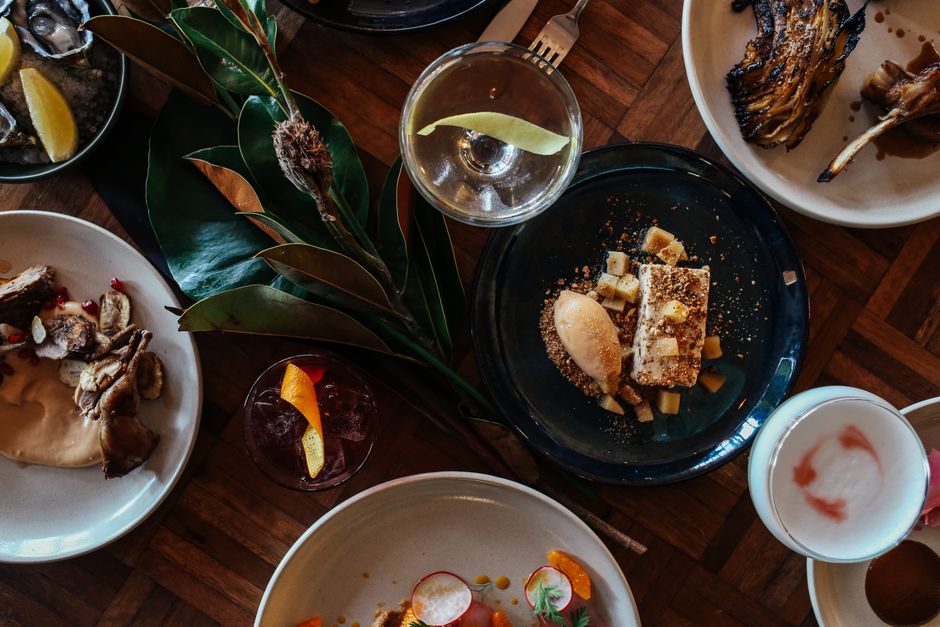
Brisbane's restaurant scene has arrived. A decade ago the city was still being patronised by southern visitors who arrived with low expectations and left surprised; today the comparison between Brisbane and Sydney or Melbourne dining is a conversation about style differences and local character rather than quality gaps. The city's growth, the influx of interstate migrants bringing food culture from other cities, and the development of a generation of Brisbane chefs who trained elsewhere and returned home has produced a dining landscape of genuine depth.
Fortitude Valley's transformation from its earlier reputation as Brisbane's nightlife and entertainment district into a food and hospitality precinct of real quality has been a significant chapter in the city's urban story. The James Street and McLachlan Street corridor, combined with the broader valley precinct, now hosts restaurants that draw diners from across the metropolitan area for the specific experience each offers rather than by proximity default.
South Bank's transformation since the 1988 World Expo has produced a hospitality precinct alongside the cultural institutions that provides one of the most activated riverfront dining environments in Australia. The combination of the Art Gallery of Queensland, GOMA, Queensland Performing Arts Centre, and the restaurants that serve their audiences creates an evening food economy supported by cultural audiences whose pre-show and post-show spending sustains quality at a level that walk-in tourism alone might not.
The growth of hospitality in suburban Brisbane precincts, from Nundah and Albion in the north to West End in the inner south, has extended quality dining beyond the traditional inner-city concentration. This geographic spread reflects a population distribution that has required hospitality investment to follow residents as the city has grown, creating dining destinations across suburbs that might previously have been primarily residential.
This article was compiled by AI from the sources linked above and screened before publishing. See our editorial standards.
About this article
Published by The Daily Brisbane
More in Community