finance
ASX stumbles as property pain spreads to household balance sheets
The All Ordinaries fell 0.49% today amid weakness in residential real estate, leaving Brisbane investors holding the line on mortgages while the dollar strengthened.
How we reported this
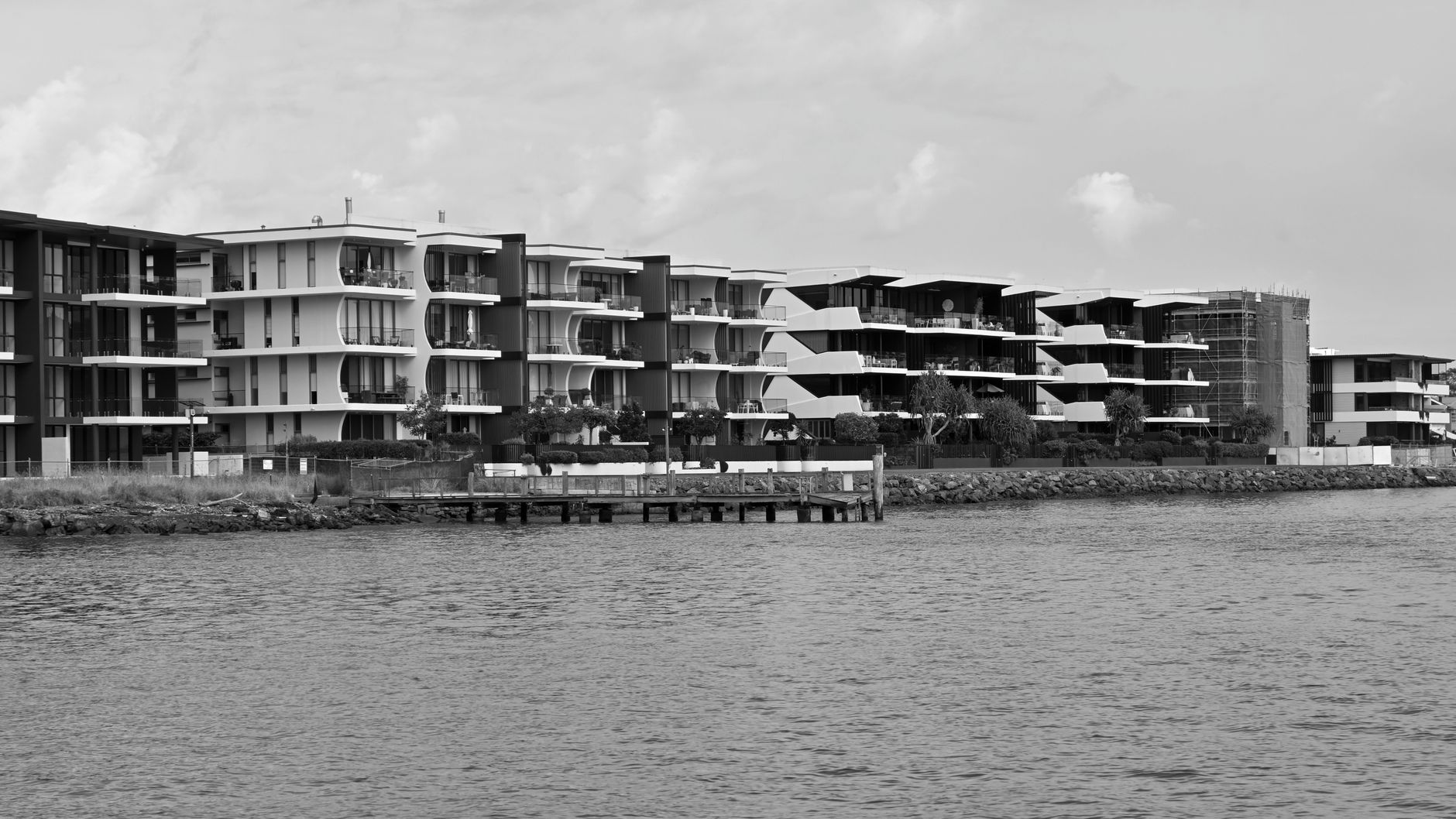
The Australian sharemarket shrugged off US tech strength this morning, with the All Ordinaries sliding 0.49% to 9,004 as property sector concerns weighed on domestic equities. The ASX 200 shed 0.43% as well. For Brisbane households carrying mortgages or holding property-linked assets through superannuation funds like Australian Retirement Trust, the timing matters. Falling home prices have shifted the calculus for everyday Australians deciding whether to sell, refinance or hold tight through what looks like a genuine correction.
The dollar picked up ground overnight, rallying 0.26% against the US greenback to 0.6955. That's relevant for Australian savers with US dollar exposure and superannuation members holding international equities through their retirement accounts. The S&P 500 climbed 1.23% and the Nasdaq surged 1.74%, driven by continued momentum in technology stocks. Brisbane investors with unhedged US shareholdings or growth-focused super accounts would have seen some offset to local market weakness, but the benefit depends entirely on portfolio construction.
Property-sensitive sectors have felt the pressure as auction clearance rates have compressed and vendor asking prices drifted lower across major capitals. The RBA's hold on interest rates at its June meeting signalled no imminent relief on borrowing costs, leaving home loan holders managing mortgage stress without the prospect of rate cuts appearing on the near-term horizon. For owner-occupiers in Brisbane's middle suburbs where 2032 Olympics infrastructure spend has lifted expectations, the gap between anticipated capital growth and current market reality has narrowed considerably.
What falling prices actually mean for borrowers and buyers
The property correction is reshaping incentives at both ends of the market. Buyers who held back anticipating a fall now face a decision: prices are softening but remain elevated relative to historical income multiples, and rates remain restrictive. Sellers are increasingly motivated, though not panicked. That creates opportunity for patient purchasers but little comfort for those sitting on recent purchases or viewing home equity as retirement funding.
The broader household wealth picture has deteriorated. Residential property typically represents the largest asset class for Australian householders, dwarfing share portfolios and superannuation for many. A sustained 10 to 15 per cent correction across capital cities erodes purchasing power, reduces the collateral available for debt refinancing and dampens discretionary spending precisely when retail sectors need consumer momentum. Oil prices climbed 4.17% to US$71.41 a barrel today, adding to cost-of-living pressures that constrain household budgets further.
Brisbane residents with exposure to resource and energy stocks through direct holdings or super fund allocations saw some benefit from crude's intraday strength, though that gain was muted by broader market softness. Bitcoin ticked up 2.48% to US$63,805, indicating some appetite for alternative assets among retail investors seeking yield or hedges. Gold dipped 1.00% to US$4,114 per ounce, a movement that matters for inflation-conscious savers considering precious metals as a portfolio ballast.
The practical advice for Brisbane households remains unchanged but bears repeating: validate your debt serviceability under a rate rise scenario, understand what your super fund holds in domestic property and residential development exposure, and resist the temptation to time the market bottom. Property corrections have a habit of testing patience before stabilising. The All Ordinaries' negative run today suggests Australian investors are bracing for a period of muddling through rather than confidence in a sharp rebound. That sentiment typically proves durable once established.
This article is general information only and is not personal financial or investment advice. Consider your own circumstances and seek licensed professional advice before making financial decisions.