finance
Resources, Construction and the Cost of Living: What Today's Markets Mean for Brisbane Workers
From mine-site wages to mortgage stress, today's global market moves carry a distinctly local flavour for a city whose economy runs on commodities, cranes and consumer confidence.
How we reported this
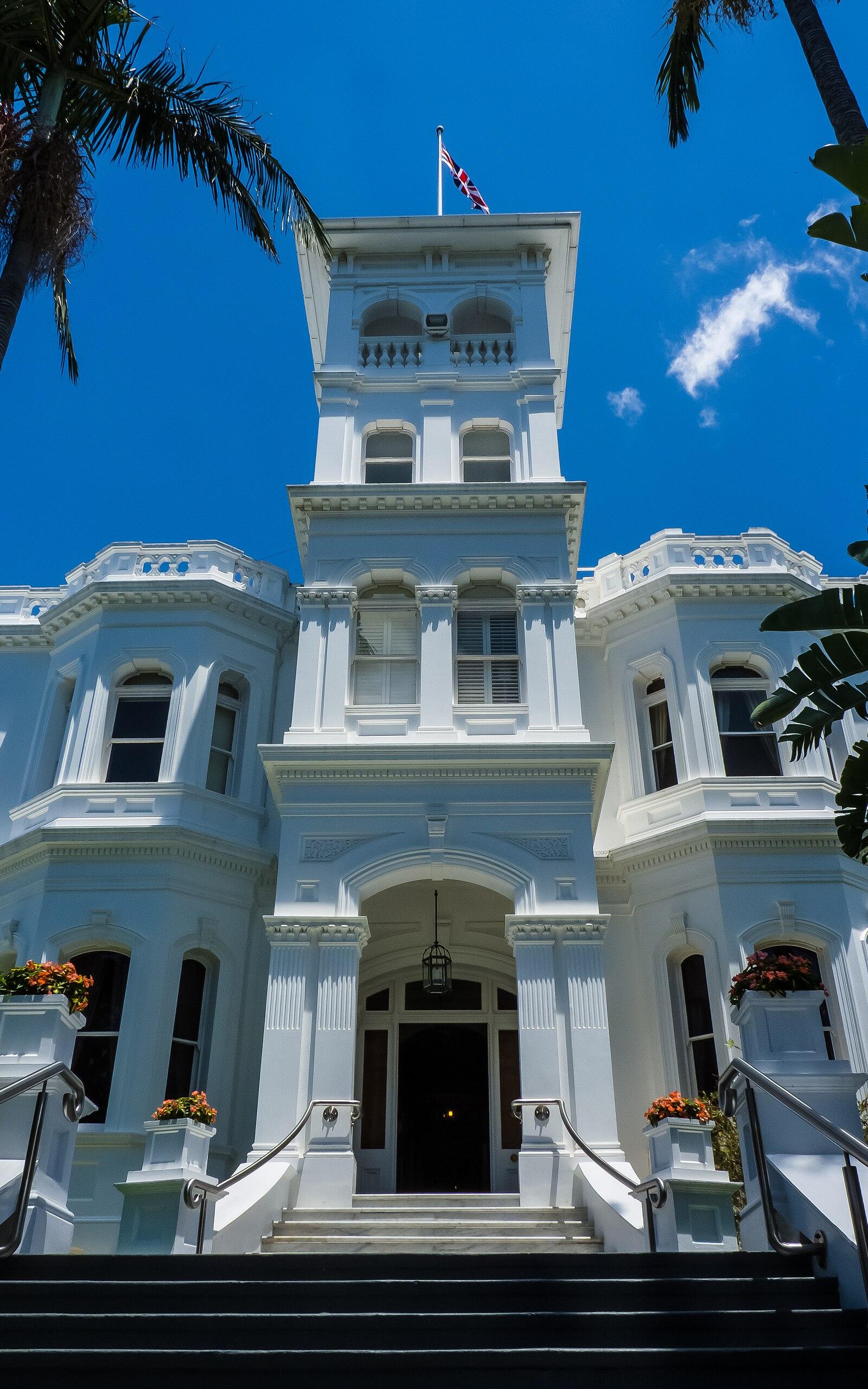
Brisbane's economy does not sit in a glass box, insulated from the churn of overnight trading floors. The city's workforce, spread across resources, construction, logistics and a rapidly expanding professional services sector, feels the tremors of global markets in ways that show up in payroll decisions, project approvals and the weekly grocery run. Today's session offered a mixed but instructive read on where those pressures are heading.
The domestic benchmark gave Queenslanders something to work with. The ASX 200 added 0.37 per cent to close at 8,840.7, while the broader All Ordinaries rose 0.40 per cent to 9,036.9. For superannuation members, and Brisbane has a notably young working-age population with decades of contributions ahead, modest positive sessions like this one compound quietly over time. The headline numbers are less important than the direction, and today's direction was cautiously upward on home soil.
The more consequential signal for Brisbane's resources-linked workforce came from commodities. Gold dropped 1.60 per cent to US$3,979.30 an ounce and silver fell a sharper 2.39 per cent to US$55.745. Those moves matter here because Queensland's gold and precious-metals extraction sector feeds directly into employment in communities that supply labour to regional operations. A sustained pullback in gold pricing eventually translates into tighter capital expenditure at the project level, which flows through to contracting firms and equipment suppliers with offices and workshops scattered across Greater Brisbane. One session is not a trend, but traders will be watching whether the softness holds.
Crude oil told a similar story. Brent crude slipped 0.74 per cent to US$84.32 a barrel, and WTI fell a more pronounced 1.48 per cent to US$78.42. Lower oil prices carry a dual character for this city: they can ease fuel costs for the trucking and logistics operators who move goods across South-East Queensland's sprawling distribution network, but they also dampen the investment appetite of energy companies whose Queensland LNG and gas projects underpin thousands of well-paid trade and engineering jobs. Copper, a reliable proxy for construction and manufacturing activity globally, edged down 0.16 per cent to US$6.283, while natural gas softened 1.06 per cent to US$2.893. Neither move is dramatic in isolation, but the cumulative drift across the commodities complex deserves attention from anyone whose livelihood connects to the extractive and energy industries.
Asia's rebound and the Wall Street split
The regional picture offered more encouragement. Hong Kong's Hang Seng surged 2.74 per cent to 25,008.6, a move significant enough to lift sentiment across Asian trading desks and reflect renewed appetite for risk in markets that matter enormously to Queensland's export economy. Singapore's Straits Times Index rose 0.80 per cent to 5,539.38, reinforcing the sense that South-East and North-East Asian demand remains a functioning engine for Australian commodity and agricultural exports. Brisbane's port traffic, its agribusiness supply chains and its growing trade in professional and educational services all run through these regional relationships.
Wall Street's session was more divided. The Dow Jones inched up 0.08 per cent to 52,549.51, suggesting large-cap industrial and financial stocks held their ground, but the S&P 500 slipped 0.12 per cent to 7,534.62 and the Nasdaq fell 0.83 per cent to 25,889.145. The technology-heavy Nasdaq's underperformance is worth noting for Brisbane's emerging tech and start-up precinct, where valuations and funding rounds often take their cue from the appetite of US growth investors. Tokyo's Nikkei 225 fell a sharp 2.79 per cent to 66,835.54, a reminder that even the strongest regional economies are not immune to sharp reversals. Europe was similarly uneven, with Frankfurt's DAX declining 0.92 per cent to 24,915.49, Paris's CAC 40 slipping 0.05 per cent to 8,377.86, and London's FTSE 100 bucking the trend with a 0.41 per cent gain to 10,572.24.
In crypto markets, Bitcoin fell 0.76 per cent to US$64,217.54, Ethereum dropped 2.24 per cent to US$1,874.10 and Solana lost 1.96 per cent to US$75.75. The sector's broader softness echoed the risk-off tone visible in precious metals and tech equities. For Brisbane investors with exposure to digital assets alongside more conventional holdings, today underscored the enduring logic of diversification across asset classes rather than concentration in any single corner of the market. This article is general information only and does not constitute personal financial or investment advice. Consider your own circumstances and seek advice from a licensed professional before making financial decisions.