news
Scripted and subsidised: what Queensland's taxpayers need to know about Australia's 'fake documentary' scandal
A national investigation into reality TV series collecting millions in public screen funding has direct implications for how Queensland spends its arts and production dollars ahead of 2032.
How we reported this
Australian taxpayers, including Queenslanders who have watched their state government tip money into the local screen industry, are asking hard questions this week after a detailed investigation found that several prominent Australian "documentary" series were substantially scripted, yet collected millions in government funding intended for genuine factual content. The programs, including productions in the outback and mining genres, reportedly drew from federal and territory screen funding bodies while being structured more like drama than journalism.
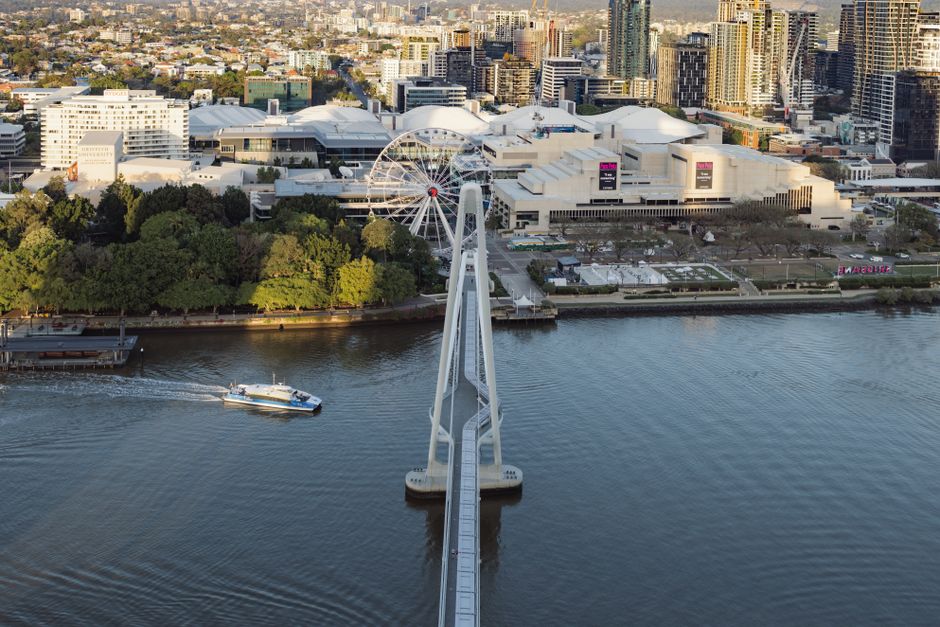
The timing cuts close to home in Brisbane. Queensland is mid-way through an unprecedented infrastructure and cultural spending cycle tied to the 2032 Olympic and Paralympic Games, and Screen Queensland, the state government's production funding agency, headquartered on the South Bank cultural precinct, has expanded its slate of supported projects significantly over the past three years. The agency's annual budget has grown as the state has tried to attract interstate and international productions, and local industry figures have pointed to that growth as a sign of Queensland's rising profile as a production hub.
Where the money flows, and who's watching it
Screen Queensland operates grant and investment programs covering everything from feature films shot on the Gold Coast to documentary series developed by Brisbane-based independent producers. One of its primary vehicles, the Queensland Production Attraction Strategy, has been used to lure larger-budget productions to the state with financial incentives. A separate stream, the Industry Development Fund, supports local Queensland creators at earlier stages. Neither program is specifically implicated in the national investigation, but the scrutiny now being applied across the sector raises questions about how robustly any agency, state or federal, verifies that a project labelled "documentary" is actually delivering the editorial independence and factual rigour that classification implies.
At the federal level, the agency most directly under the microscope is the Northern Territory's NT Film Office, along with Screen Australia, which administers the Producer Offset, a tax rebate scheme that provides 20 percent back on qualifying Australian production expenditure for television content. The Producer Offset has historically required documentary content to meet specific definitional criteria, but critics of the current system argue those definitions are loosely policed once a project clears the initial application stage.
For Queenslanders watching this from West End lounge rooms or following the broader creative economy debate from the Fortitude Valley production cluster that's grown around Warner Bros. Movie World's overflow of crew and talent, the practical concern is straightforward: if public money earmarked for documentary content is being spent on scripted entertainment dressed up as factual programming, that's funding not available for genuine investigative or community documentary work.
What residents and local producers should do now
The national conversation has prompted calls for tighter genre definitions and independent auditing of content against its funding classification before final payments are released. Screen Queensland has not issued a public statement on the investigation as of Saturday morning. Screen Australia has previously published its project assessment criteria on its website, but the investigation suggests the gap between stated policy and practical oversight may be wider than those documents imply.
Local independent producers operating out of studios in Newstead and Woolloongabba, many of whom compete directly against better-resourced eastern seaboard and interstate companies for the same Screen Queensland and Screen Australia funding rounds, have most to gain from any tightening of the rules. A level playing field matters more when the pot is finite. Screen Queensland's most recent published annual report listed total production investment support across Queensland at more than $200 million for a single financial year, a figure that underscores the scale of what's at stake when oversight slips.
The Senate Standing Committee on Environment and Communications has oversight of Screen Australia and could request a formal review of how the Producer Offset definition of "documentary" is applied. Residents who want to follow the issue, or who work in Queensland's screen sector, should monitor the committee's inquiry schedule, published on the Australian Parliament House website, over the coming weeks. Any changes to the offset rules would apply from the next assessment round, affecting projects currently in development across Brisbane and the broader South East Queensland corridor.