news
Brisbane’s Economy Shows Resilience Amid Rapid Growth, Officials and Experts Say
City leaders and economic analysts weigh in on opportunities and challenges as Brisbane prepares for 2032 Olympic-driven transformation.
How we reported this
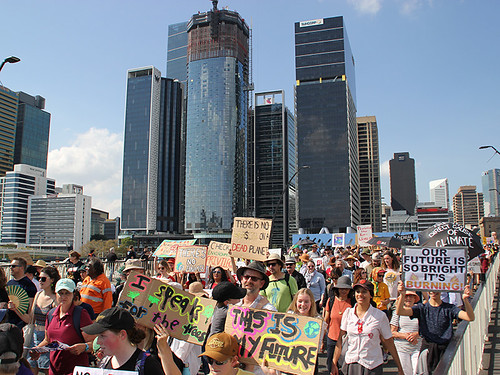
Brisbane’s local economy continues to demonstrate robust growth, with officials and economic experts today highlighting both the opportunities and challenges emerging in the lead-up to the 2032 Olympics. The city’s population surge and infrastructure investments are driving a dynamic business environment, though concerns about housing affordability and logistics capacity remain high on the agenda.
The current economic momentum comes as Southeast Queensland grapples with its rapid population increase-largely fueled by inward migration from New South Wales and Victoria. With Queensland’s economy projected to outpace national growth in 2026, local government and business groups stress proactive measures to sustain momentum while addressing infrastructure bottlenecks.
Brisbane’s Growth Corridors and Olympic Preparations
Key development corridors such as Logan and Ipswich are central to accommodating the influx of new residents and businesses. The Logan Central Business District has seen a surge in commercial property development, while the Ipswich Innovation Hub, located on Roderick Street, has been pivotal in attracting tech startups and logistics companies expanding in response to port activity along the Brisbane River precinct.
Officials from the Brisbane City Council note that the $1.8 billion Gabba redevelopment project remains critical infrastructure driving both local jobs and tourism prospects. At the same time, Queensland’s Department of Transport and Main Roads is fast-tracking improvements in the Port of Brisbane’s logistics capacity, particularly around Lytton Road and Fisherman Islands, to ensure freight efficiency does not stall economic progress.
Data and Future Outlook
Recent figures from Queensland Treasury reveal that Brisbane’s gross regional product grew by 3.7% in the last fiscal year, significantly higher than the national average of 2.5%. The median house price in the greater Brisbane area has reached $850,000 as of June 2026, reflecting both high demand and supply constraints. Meanwhile, unemployment in Brisbane stands at 4.2%, marginally below the national average, reinforced by gains in construction, professional services, and logistics sectors.
Looking ahead, economic experts recommend continued investment in affordable housing initiatives, particularly in suburbs like Redbank Plains and Salisbury, to prevent a cost-of-living squeeze on new workers in emerging industries. City planners also emphasize the importance of balancing rapid development with environmental and social sustainability, a task made more urgent by upcoming international attention during the Olympic Games.
For Brisbane businesses and residents, staying informed about infrastructure projects and participating in community consultations will be vital in shaping how the city manages growth. Residents can monitor updates through the Brisbane City Council’s official website and engage with local chambers of commerce, such as the Brisbane Metro Business Association, for tailored advice on economic opportunities.