news
Brisbane Residents Reveal Economic Pressures as Development Accelerates
Residents across Brisbane share their experiences as economic pressures ripple through the city amid ongoing development and migration changes.
How we reported this
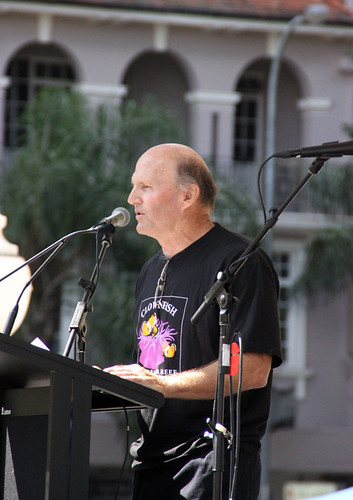
Brisbane residents are expressing growing concerns about the impact of recent economic changes, as rising living costs and housing pressures become increasingly felt in suburbs experiencing population growth and infrastructure development.
These concerns come at a time when Southeast Queensland is coping with significant migration from New South Wales and Victoria, prompting rapid expansion in corridors like Logan and Ipswich. While the influx has bolstered demand for housing and services, local voices highlight how the benefits are unevenly distributed and affordability remains a pressing challenge.
Shifts in Housing and Living Costs Impact Families
Communities in Logan and Ipswich point to escalating stresses linked to the population boom. Residents note that while new developments aim to accommodate growth, rising rental and property prices have placed a strain on lower-income families and long-term tenants. Similarly, in Brisbane’s suburbs, some families say that everyday expenses are climbing faster than wage growth, affecting their ability to maintain a standard of living.
Infrastructure projects associated with the 2032 Olympics preparation, including the contentious Gabba rebuild, contribute to the local economy's dynamism but also add layers of uncertainty for residents who worry about displacement and changes to their neighbourhood character.
Community Members Call for Supportive Measures
Voices from affected communities stress the need for policy responses that address affordability alongside growth. Economic pressures have prompted calls for expanded social supports and more equitable planning approaches that ensure developments provide tangible benefits to existing residents rather than only serving incoming populations or speculative interests.
Despite the dynamic economic environment, many locals feel that the pace of change outstrips that of government responses and community consultation, leaving some feeling sidelined in decisions that will shape their future.
Looking ahead, residents and advocacy groups urge ongoing dialogue with policymakers and developers to align infrastructure investments with the needs of Brisbane’s diverse communities. Practical advice for residents includes engagement with local councils and housing support services to navigate challenges.
As Brisbane continues its transformation, the voices of those directly affected remain vital to creating a more balanced and inclusive local economy.