news
Brisbane Adopts Peer City Strategies to Manage Traffic From Population Growth
The city focuses infrastructure tied to the 2032 Olympics and its logistics corridors while observing approaches used in comparable urban centers abroad.
How we reported this
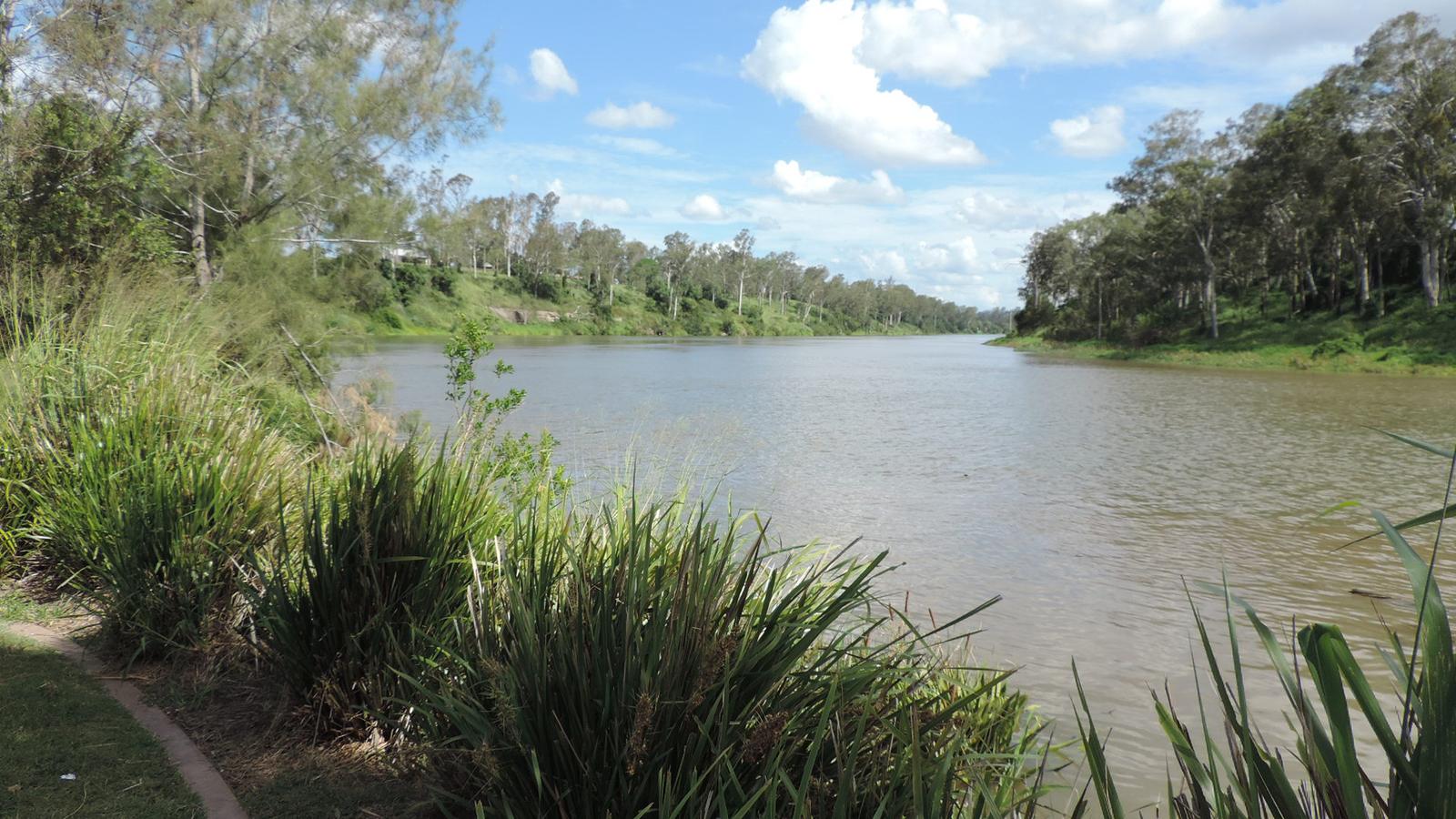
Brisbane confronts rising traffic volumes linked to population inflows from other states and ongoing preparations for the 2032 Olympics. City planners coordinate road and public transport upgrades around the port economy and corridors such as Logan and Ipswich.
The issue carries weight now because the South East Queensland region continues to absorb residents relocating from New South Wales and Victoria. These arrivals add daily trips on routes serving the port and industrial zones. The Queensland LNP government oversees these efforts alongside the Gabba redevelopment, which affects event-day movement patterns.
Local Growth Patterns
Development along the Logan and Ipswich corridors channels new housing and employment closer to existing freight paths. Port operations generate heavy vehicle traffic that mixes with commuter flows on key arterials. Olympics-related projects target rail and bus connections to venues, aiming to reduce private car reliance during peak periods.
Similar cities facing comparable migration surges have tested variable pricing on motorways and expanded dedicated freight lanes. Brisbane officials monitor those outcomes while prioritising projects that serve both residents and export logistics. The approach avoids some of the rapid toll expansions seen elsewhere and instead ties spending to the fixed 2032 timeline.
Observed Differences From Overseas Examples
Qualitative reviews of transport strategies in other growing port cities show varied emphasis on transit-oriented development near logistics hubs. Brisbane places heavier weight on integrating Olympics venues with existing port-adjacent networks rather than building entirely new ring roads. This choice reflects the stable geography of the Brisbane River crossings and the need to maintain freight access during construction windows.
Residents can track project timelines through state transport department updates and local council notices. Checking Smartraveller advisories remains useful for those planning international connections that begin with domestic road or rail segments. Regular review of corridor-specific plans helps households anticipate changes near Logan and Ipswich without relying on unconfirmed forecasts.