news
Brisbane Grows Differently: How Its Urban Strategy Compares Globally
Amid rapid population shifts and infrastructure pressures, Brisbane’s handling of urban development differs notably from peer cities worldwide.
How we reported this
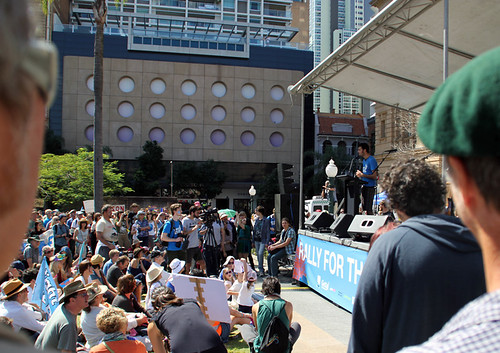
Brisbane is navigating its neighbourhood developments with a distinct approach focusing on balancing growth and livability, setting it apart from other cities facing similar expansion challenges globally.
The city’s importance as a host for the upcoming 2032 Olympics has accelerated attention on its infrastructure and urban development strategies. With significant inbound migration from New South Wales and Victoria, South East Queensland's population boom is intensifying demand for housing and amenities, thrusting the city’s urban planning decisions into sharper focus. This pressure underscores why how Brisbane manages its emerging neighbourhoods now is critical for sustainable growth and community wellbeing.
Strategic Infrastructure and Development Corridors
Brisbane’s urban planning is currently shaped by its emphasis on developing the Logan and Ipswich corridors, attempts to distribute growth and ease pressure on inner-city areas. These initiatives consider logistics and port economy factors that are vital for Queensland’s economic prosperity. Unlike some international cities where rapid expansion has sometimes led to densification without adequate infrastructure support, Brisbane is integrating transport and community services within growth areas-aiming for cohesive neighbourhood environments rather than unchecked sprawl.
The government's investment in these corridors complements preparations around major landmarks such as the Gabba, which faces controversial redevelopment efforts tied to the Olympics. This combination of sporting infrastructure and suburban expansion reflects a uniquely local model, fusing sporting legacy projects with broader urban growth planning-a contrast to cities that separate mega event preparations from routine neighbourhood development.
Balancing Growth with Livability
Global cities grappling with migration and urban sprawl often struggle with affordable housing and congestion, but Brisbane's approach involves staged development and targeted infrastructure programs designed to maintain livability. While precise statistics and pricing metrics are absent from current reporting, qualitative assessments indicate Brisbane’s planners are mindful of lessons from overseas cities, balancing pace and scale carefully.
This contrasts with the experience of some international counterparts where rapid migration influxes have overwhelmed local services. By placing a premium on transport connectivity and community facilities through corridors like Logan and Ipswich, and by embedding major events infrastructure, Brisbane seeks to foster vibrant neighbourhoods that avoid the pitfalls of rapid, poorly coordinated growth.
As Brisbane continues its transformation, residents and stakeholders are encouraged to engage with local planning processes. Understanding that these developments are part of longer-term strategies can help manage expectations around change and identify community opportunities resulting from enhanced infrastructure.
In practical terms, those invested in Brisbane’s neighbourhoods should monitor updates from the Queensland government and urban planning bodies concerning development milestones and public consultations. Active participation can help ensure that growth aligns with the needs and values of the city’s diverse population.