news
Brisbane Officials and Experts Address Rising Transport and Traffic Challenges
Voices from government and key stakeholders outline the pressing transport issues facing Brisbane amid population growth and infrastructure debates.
How we reported this
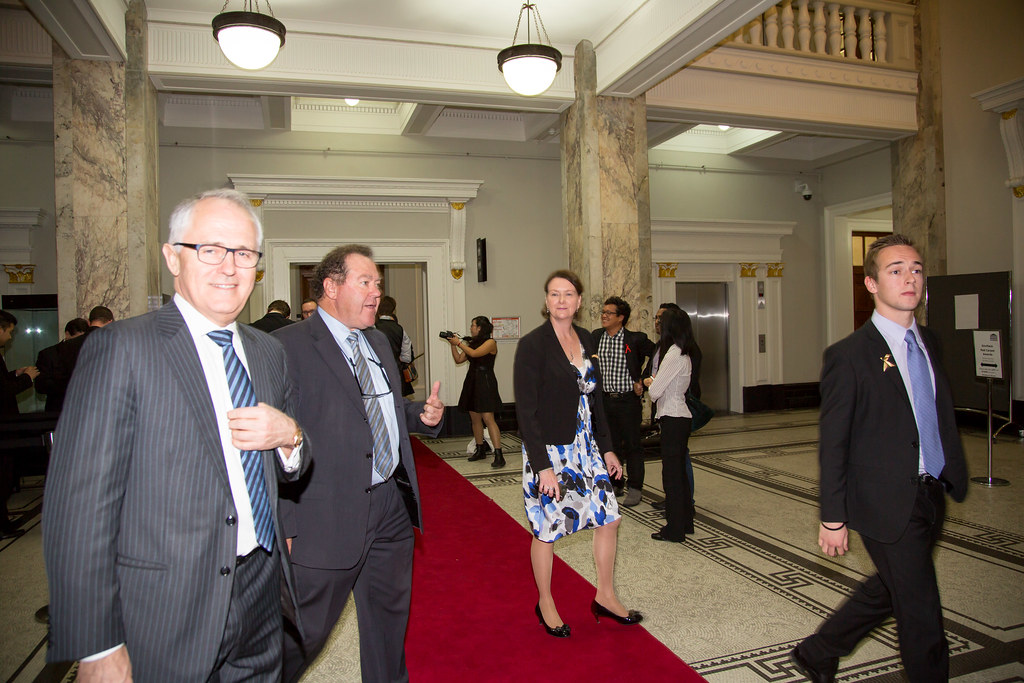
Brisbane’s transport and traffic situation has garnered fresh attention as officials and experts discuss the city’s mounting challenges amidst population growth and major infrastructure projects. With concerns centering on congestion and infrastructure readiness, voices from the Queensland government and other key figures underline the complexity of addressing transport demands in South East Queensland.
Why Transport Matters Now
The urgency surrounding Brisbane’s transport networks is increasing in light of the ongoing South East Queensland population boom driven by migration from New South Wales and Victoria. This growth intensifies the pressure on existing roads and public transit systems, demanding coordinated responses. The city’s preparation for the 2032 Olympics further accentuates infrastructure concerns, as transport systems face scrutiny over their capacity to handle heightened demands.
Discussions have also surfaced around the Gabba stadium rebuild, stirring debate on how associated traffic flows might be managed. Similarly, development corridors in Logan and Ipswich fuel debate on how logistics and port activities intersect with everyday commuter travel, complicating traffic outlooks.
Local Transport Concerns and Context
Queensland’s current Liberal National Party government is tasked with balancing these pressures, coordinating efforts across planning, roadworks, and public transportation. While specific numerical data on traffic volume or congestion metrics were not disclosed in recent public statements, experts emphasise that addressing urban transport requires long-term strategies beyond immediate fixes.
The logistics sector and port economy add layers of complexity, with freight movement intersecting residential and commercial traffic in key corridors. The expansion of suburban developments in Logan and Ipswich highlights the need for integrated planning to prevent bottlenecks and to maintain efficient flow for both personal and commercial vehicles.
Officials underscore the importance of aligning the infrastructure upgrade programs with demographic trends and sporting event deadlines. Experts highlight that transportation planning must consider not only commuter convenience but also environmental and economic sustainability.
Planning Ahead with Holistic Strategies
Looking forward, policymakers and stakeholders advocate for comprehensive assessments to refine traffic management and infrastructure investments. The focus is expected to include expanded public transit options, road network improvements, and innovative logistics solutions to ease pressure on Brisbane’s roadways.
Practical advice for residents involves staying informed of local council updates and infrastructure project timelines, as disruptions may impact daily travel. Increasing use of public transport and alternative routes during peak congestion times is recommended where possible.
While no new policies or project announcements have been detailed in the latest public discourse, ongoing debates among officials and experts signal that Brisbane’s transport and traffic dilemmas remain central to the city’s planning agenda amid rapid population growth and event-driven demands.