news
Voices from Brisbane’s Neighbourhoods Reveal Concerns Amid Ongoing Development
Local residents share their perspectives as daytime construction, population growth, and community change accelerate in southeast Queensland.
How we reported this
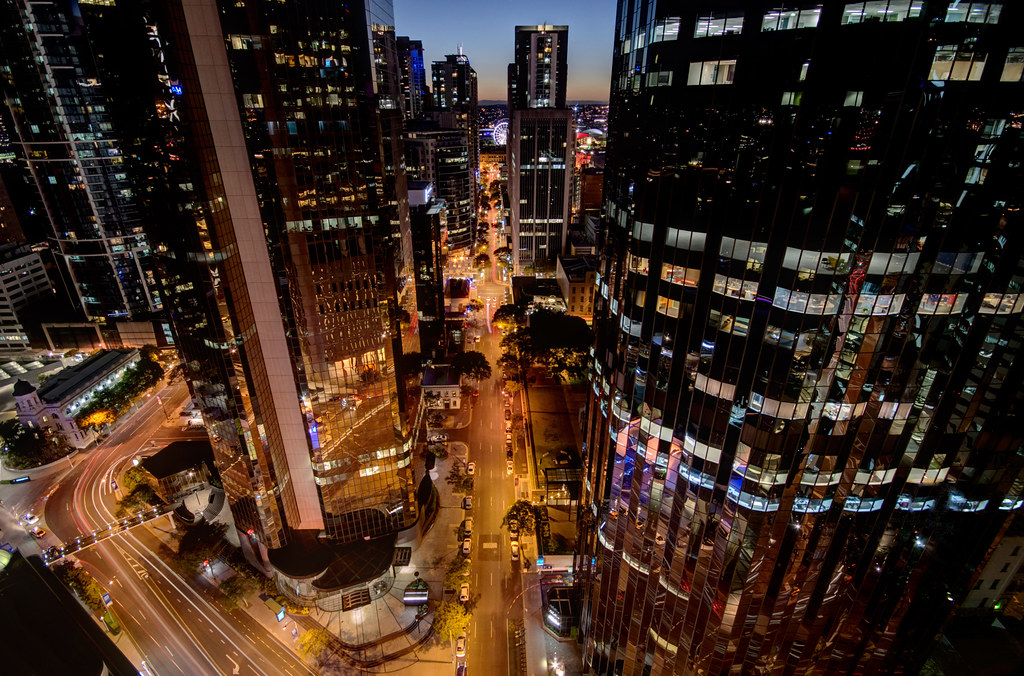
Brisbane’s ongoing neighbourhood developments are drawing increased attention from community members who feel the pace and nature of change is reshaping their daily lives. In suburbs across southeast Queensland, voices from residents highlight concerns over infrastructure stress, housing affordability, and disruption.
The Push and Pull of Change in Southeast Queensland
The pressure on Brisbane’s neighbourhoods has mounted as the region grapples with a significant population boom, driven in part by interstate migration from New South Wales and Victoria. This migration contributes to expanding development corridors, including Logan and Ipswich, where new housing estates and infrastructure projects progress rapidly to meet demand.
The Queensland LNP government has also prioritized preparations for the 2032 Olympic Games, which have accelerated investments in infrastructure like roads, transport, and community facilities around key venues, including the Gabba reconstruction. These initiatives, while delivering long-term benefits, bring short-term disruptions that residents report experiencing daily.
Community Impact and Responses
In neighbourhoods defined by their evolving character, residents recount the tangible effects of development. The influx of new residents places extra demand on local services and amenities, often compounding existing challenges such as housing affordability-a concern intensified by rising demand and shifting demographics. For example, areas within the Logan and Ipswich corridors have witnessed notable construction activity, yet residents express that community consultation and support structures have sometimes lagged behind.
Many residents find the balance between growth opportunity and community cohesion difficult. While developments promise improved facilities, the transient nature of construction and migration creates uncertainty and anxiety about retaining the identity and accessibility of their suburbs.
Furthermore, with Brisbane’s population increase, logistical pressures around transport and port operations have become more visible, affecting commuting patterns and local business operations. Development projects tied to these economic factors frequently spark debate around equitable outcomes for long-term and newer community members alike.
Looking Ahead: Navigating Development and Community Needs
The trajectory of Brisbane’s neighbourhood evolution suggests that community responses will remain a crucial dimension of urban planning. For residents seeking to engage with development processes, local council consultation periods and community forums provide platforms for input, though awareness and responsiveness vary across precincts.
As the delivery of the Gabba rebuild and other infrastructure projects continues, balancing community concerns with growth imperatives will be essential. Local governments and developers face the challenge of mitigating disruption while enhancing infrastructure to support Brisbane’s expanding population. For those living through these changes, adaptive strategies and clear communication from authorities will be key in shaping a shared vision for the city’s future.