Politics
Queensland's New Environmental Rules Will Reshape Brisbane Development Costs
Updated rules on construction and pollution will shape Brisbane residents' access to green spaces and influence home building costs in coming years.
How we reported this
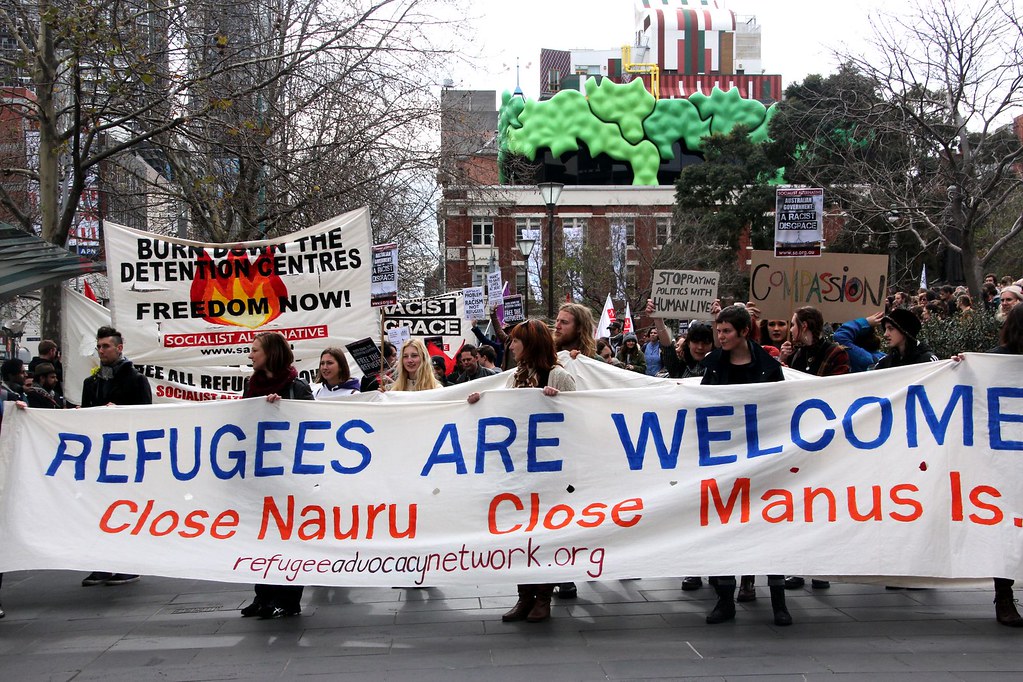
The Queensland government has introduced new environmental regulations that will impact Brisbane's urban development, local industry standards, and community spaces. These regulations aim to tighten controls on pollution emissions and land use in response to increasing environmental concerns linked to the city’s ongoing growth.
The policy update comes amid accelerating urban expansion in South East Queensland, particularly in development corridors such as Logan and Ipswich, and preparations for the 2032 Brisbane Olympics. Experts highlight that worsening air and water quality, alongside habitat loss, have necessitated sharper regulatory measures to manage the city’s environmental footprint effectively.
Implications for Brisbane Residents and Development
For Brisbane residents, these regulations will influence several practical aspects of daily life. Households near redevelopment sites like the Rivermakers precinct and suburbs adjacent to the Gabba are expected to experience stricter construction noise limits and enhanced dust control requirements. Building permits will now require comprehensive environmental impact assessments, potentially adding time and cost to new housing projects. Industry analysts suggest this could translate into moderate price rises in the housing market, alongside benefits of better air quality and more protected green spaces.
Local advocates say the rules also focus on protecting waterways from industrial runoff, which is particularly relevant for communities near the Brisbane River. Improved water treatment standards are projected to reduce pollution levels entering local creeks, supporting healthier ecosystems and recreational fishing opportunities for residents.
Data Behind the Regulations and Next Steps
The government’s environmental policy document released in June details a $120 million investment over five years into pollution monitoring infrastructure and compliance enforcement across South East Queensland. This funding is designed to ensure new regulations are consistently applied and that environmental data is collected transparently. According to the Queensland Department of Environment and Science, Brisbane’s air quality index readings have reported slight deterioration over the past three years, underlining the need for stronger regulatory frameworks.
The legislation is now entering a phased rollout starting in August 2026, with developers and local councils required to adjust plans and permits accordingly. Community consultation forums are scheduled through July and August in precincts expected to experience significant changes, including Logan Central and East Brisbane. Policy analysts emphasize that residents can participate in these consultations to provide feedback on implementation details affecting their neighbourhoods.
In combination with the broader Southeast Queensland Growth Plan, the new environmental regulations mark a move toward balancing the city’s rapid development with long-term ecological sustainability goals. Brisbane residents can anticipate changes designed to protect green zones while managing infrastructure and housing affordability challenges as the city prepares for the demands of 2032 and beyond.