community
Solar Panels in Brisbane 2026, Installation Costs, Battery Prices, QLD Rebates, and How to Find a Licensed Solar Installer Near You
Brisbane solar panel guide 2026: how much solar panel and battery installation costs in Brisbane, QLD STC rebates and feed-in tariffs, and how to find a Clean Energy Council accredited solar installer near you.
How we reported this
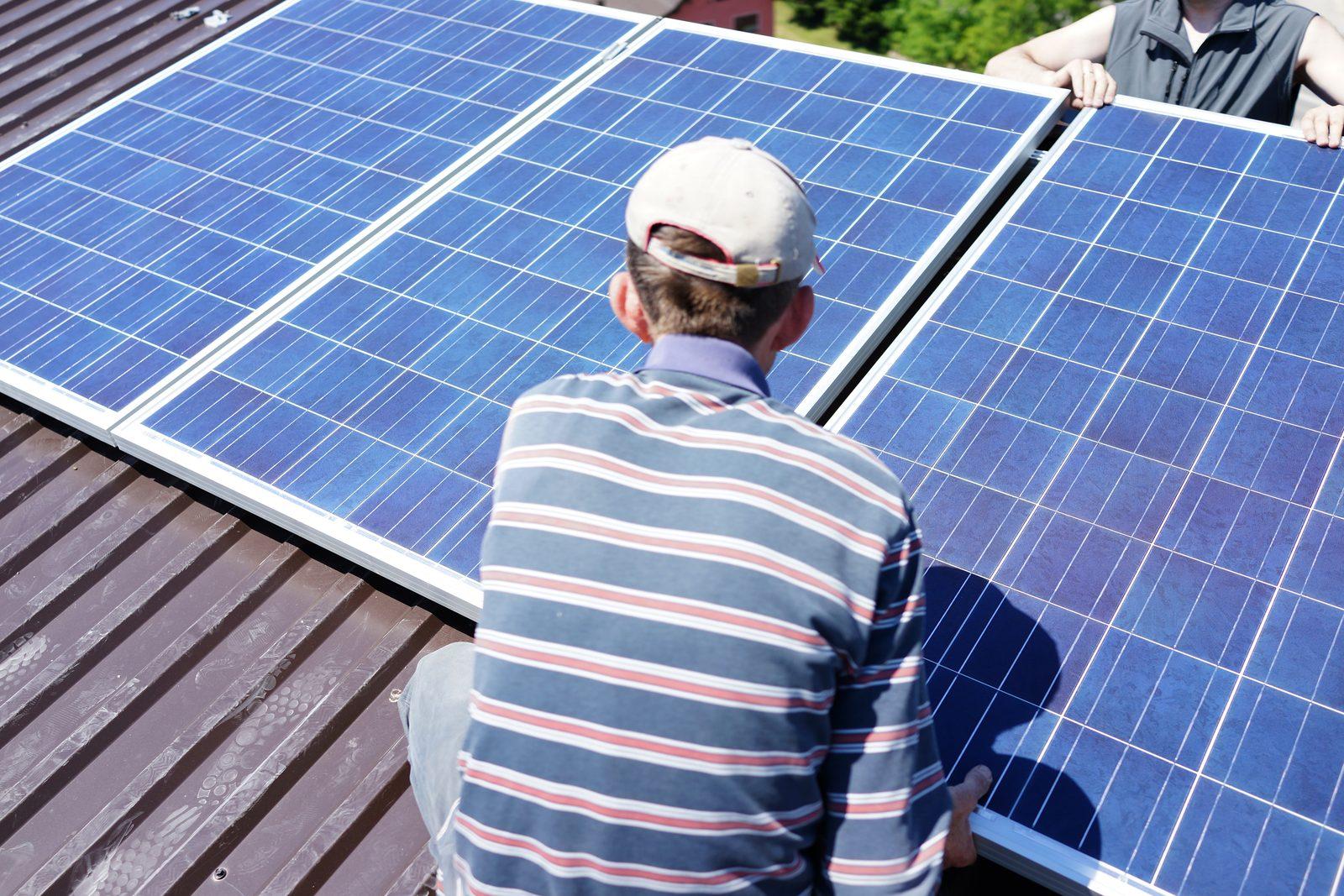
Solar Panels in Brisbane 2026
Brisbane's excellent solar resource makes it one of Australia's most financially rewarding cities for solar panel investment. All solar panel installation must be carried out by a CEC accredited installer. Verify at cleanenergycouncil.org.au. Brisbane's subtropical sunshine and Queensland's high electricity prices create strong solar economics, and the market is highly competitive, driving good installer pricing.
How Much Does Solar Panel Installation Cost in Brisbane 2026?
- 6.6kW solar system (supply and install, no battery), typically $4,200-$6,800 in Brisbane (after STC rebate)
- 10kW solar system (supply and install, no battery), typically $6,600-$10,200 in Brisbane (after STC rebate)
- 13.2kW solar system (supply and install, no battery), typically $8,500-$12,500 in Brisbane (after STC rebate)
- 6.6kW solar + 10kWh battery (supply and install), typically $11,000-$16,500 in Brisbane
- 10kW solar + 13.5kWh battery (supply and install), typically $14,800-$22,000 in Brisbane
- Battery only (10kWh, supply and install, existing solar), typically $7,500-$13,000 in Brisbane
- STC rebate value (6.6kW, 2026, Brisbane zone 3), approximately $2,200-$3,800 in Brisbane
Brisbane Solar Performance and Feed-In Tariffs
Brisbane generates approximately 4.5-5.0 peak sun hours per day on average, among the highest of any major Australian city. A 6.6kW system in Brisbane typically generates 25-30kWh per day in summer and 18-22kWh in winter. Queensland's electricity prices are among Australia's highest, making solar self-consumption particularly valuable. Current Queensland feed-in tariffs (2026) are approximately 5-8c/kWh, the emphasis should be on maximising self-consumption rather than export. Brisbane's warm climate also means heat pump hot water systems and ducted air conditioning are major daytime loads that can be shifted to solar hours for maximum savings.